How to Propagate Velvet ash?
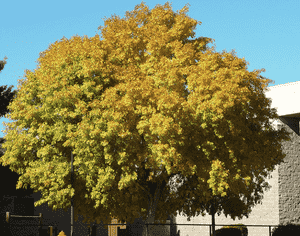
Velvet ash reproduces effectively in fall and winter via dormant stem cuttings, air layering, and seeds. The ease of propagation may differ, but indicators of success involve the emergence of new roots or shoots. Essential advice includes applying a rooting stimulant and ensuring steady hydration.
Optimal Period for Velvet Ash Propagation
Propagation Method
Cutting
Propagation Period
Autumn,Winter
Tools for Velvet Ash Propagation
Pruning Shears
Sharp pruning shears are crucial for obtaining healthy cuttings from velvet ash. They allow for precise cuts, minimizing harm to the parent plant and ensuring a clean cutting that will readily root and develop.
Rooting Hormone
Rooting hormone speeds up root growth in velvet ash cuttings. It contains auxins that stimulate root development, which is vital for the successful establishment of new plants from cuttings.
Sterile Potting Mix
A sterile potting mix offers a disease-free environment for velvet ash cuttings to take root. It should drain well and be rich in nutrients to support the initial growth phases of the cutting.
Plant Pots or Trays
Small containers or trays are utilized to hold the sterile potting mix and velvet ash cuttings. They must have drainage holes to prevent waterlogging, which could lead to rot in the cuttings.
Plastic Bags or Propagation Domes
Transparent plastic bags or propagation domes create a moist atmosphere around velvet ash cuttings, helping to maintain humidity levels and encourage rooting. This miniature greenhouse effect is very beneficial for the early stages of cutting propagation.
Watering Can with a Fine Rose
A watering can equipped with a fine rose attachment provides gentle watering to avoid disturbing the newly planted velvet ash cuttings. Soft watering helps keep the soil moist without causing erosion around the cutting.
Heat Mat
A heat mat encourages root development by supplying bottom heat to the velvet ash cuttings, which is especially useful during colder seasons or in cooler climates where temperatures might not be ideal for root formation.
Post-Propagation Care for Velvet Ash
How to Care for Your Newly Propagated Velvet Ash?
Following propagation, young velvet ash plants need well-drained soil, consistent watering to keep the soil moist but not waterlogged, and partial to full sunlight. Gradually acclimate the plant to outdoor conditions if it was rooted indoors. Apply a balanced, slow-release fertilizer in early spring, and prune to maintain shape and encourage a strong structure.
Common Errors to Avoid When Propagating Velvet Ash
Overwatering cuttings
Excessive water can cause rot in the stem cuttings of velvet ash, hindering root formation.
Poor cutting selection
Using non-viable or diseased sections can lead to unsuccessful propagation of velvet ash, as these cuttings may not root or grow properly.
Ignoring pest issues
Failure to address pests before propagation can spread infestations to new velvet ash plants, potentially harming the young propagules.
Neglecting sanitation
Not sanitizing tools or containers can introduce pathogens to velvet ash cuttings, impeding healthy root development.
Tips For Propagating Velvet Ash
Healthy parent plant
Select a robust and disease-free velvet ash for cuttings to ensure vigorous growth.
Correct cutting technique
Make clean cuts at a 45-degree angle to increase the surface area for rooting and minimize damage to the parent velvet ash.
Adequate humidity
Maintain high humidity around velvet ash cuttings to prevent desiccation, but ensure good air circulation to deter fungal growth.
Root-promoting environment
Use a well-draining medium and appropriate rooting hormones to encourage the formation of roots in velvet ash cuttings.



