How to Propagate Oregon ash?
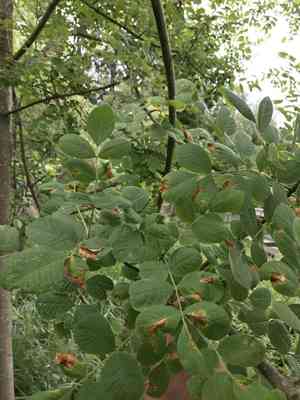
Oregon ash can be reproduced using dormant stem sections, air layering, and planting seeds during the fall or winter. The ease of propagation differs, but indicators of successful reproduction involve fresh shoots and root formation. Essential advice for propagation might include ensuring sufficient hydration and shielding from intense sunlight.
Optimal Period for Oregon Ash Propagation
Propagation Method
Cutting
Propagation Season
Autumn,Winter
Tools Utilized in Oregon Ash Propagation
Sharp Pruning Shears
These are employed for harvesting cuttings from mature oregon ash specimens. A keen edge ensures a clean incision, minimizing harm to the parent plant and enhancing the likelihood of successful rooting. Shears should be sanitized prior to use to avert disease transmission.
Rooting Hormone
This compound stimulates root development in oregon ash cuttings. Dipping the severed end of the cuttings into the hormone encourages faster root formation, which is vital for the successful establishment of new plants.
Sterile Potting Mix
A clean, well-draining substrate is crucial for rooting oregon ash cuttings to prevent fungal infections and ensure adequate moisture. Sterile potting mix reduces the risk of diseases that could compromise the health and viability of the propagules.
Propagation Tray
Used to arrange and support oregon ash cuttings as they develop roots. A propagation tray with a humidity dome is particularly advantageous for oregon ash as it maintains a high humidity environment, mimicking greenhouse conditions and promoting root formation.
Heating Mat
Supplies warmth from below to oregon ash cuttings, which can accelerate root development. Consistent, gentle heat stimulates root growth, assisting in the rapid establishment of new oregon ash plants.
Misting Bottle
For maintaining surface moisture on both the foliage and the medium. Regular misting helps to prevent desiccation of the oregon ash cuttings, providing a favorable environment for rooting and new growth.
Post-Propagation Care for Your Oregon Ash
Post-Propagation Care for Your Oregon Ash
Following propagation, gradually acclimate the rooted oregon ash cuttings to outdoor conditions before transplanting them to their permanent site. Ensure they are planted in well-draining soil, with access to full sun or partial shade. Water consistently to keep the soil moist, especially during the initial growing season. Prune annually during dormancy to maintain a desired form and remove any dead or diseased branches.
Common Errors to Avoid When Propagating Oregon Ash
Utilizing diseased or weak cuttings
Unhealthy cuttings can lead to propagation failure as they may lack the necessary vigor to establish new roots or could introduce pathogens.
Excessive watering of cuttings
This practice can cause rot and fungal diseases, as too much moisture reduces oxygen availability to the developing roots.
Underestimating rooting duration
Impatience may result in premature transplanting of oregon ash, disrupting the establishment process and potentially harming the young roots.
Neglecting humidity for cuttings
Oregon ash cuttings require high humidity to prevent desiccation; without it, they may dry out before rooting occurs.
Planting excessively deep
Deep planting can suffocate the oregon ash cutting and promote rot due to excessive moisture around the stem.
Advice for Propagating Oregon Ash
Choose healthy material
Select robust, disease-free cuttings from oregon ash to ensure they have the best chance of rooting and growing.
Moderate watering
Provide adequate water to maintain moist, but not waterlogged, conditions to promote healthy root development without encouraging rot.
Patience with rooting
Allow sufficient time for oregon ash cuttings to develop a strong root system before transplanting to avoid damaging fragile new roots.
Maintain high humidity
Use a humidity dome or enclosure to keep the air moist around oregon ash cuttings, aiding in their survival and rooting.
Shallow planting
Insert the oregon ash cuttings shallowly within the propagation medium, ensuring that enough of the stem is exposed for proper gas exchange.



