How to Propagate European ash?
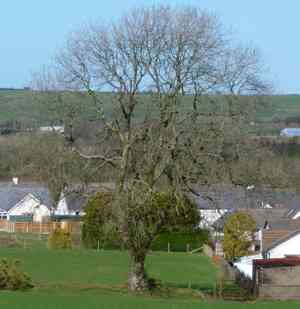
Fraxinus excelsior can be reproduced via dormant wood cuttings, air layering, and seed planting, with the most suitable period being fall and winter. The propagation challenge level is moderate. Indicators of successful propagation encompass root development and the emergence of fresh shoots. To achieve optimal outcomes, guarantee appropriate trimming and maintenance of the source plant prior to collecting cuttings or seeds.
When Is the Best Time to Propagate European Ash?
Propagation Type
Cutting
Propagation Season
Autumn,Winter
What Tools Are Used in European Ash Propagation?
Sharp Pruning Shears
Crucial for taking european ash cuttings, sharp pruning shears ensure a clean cut, minimizing harm to both the parent plant and the cutting. A precise cut enhances rooting success by reducing infection risk and promoting faster healing.
Rooting Hormone
This chemical compound stimulates root development on european ash cuttings. By dipping the cut end into rooting hormone, propagators can boost the chances of successful root formation, vital for the survival of new european ash plants.
Sterile Potting Mix
A well-draining, sterile potting mix offers an ideal setting for rooting european ash cuttings. It lowers the risk of soilborne diseases that could harm the cuttings during their initial root development stages.
Propagation Tray
A propagation tray secures european ash cuttings and maintains consistent moisture levels, which is essential for root growth. Trays with ventilation covers can also help regulate humidity, benefiting the rooting process for european ash.
Heating Mat
Maintaining an optimal temperature can improve root formation in european ash cuttings. A heating mat gently warms the soil, creating a favorable environment for root growth, particularly useful in colder climates or seasons.
Misting Bottle
Regular misting of european ash cuttings helps maintain necessary humidity around the leaves, reducing water loss through transpiration. This tool is crucial for keeping cuttings hydrated before they develop roots to absorb water.
How to Care for Your Newly Propagated European Ash?
How to Care for Your Newly Propagated European Ash?
Once european ash cuttings have rooted and new growth appears, gradually acclimate them to ambient conditions by removing the plastic cover for increasing periods. When they are strong enough, transplant them into larger pots or their final outdoor location, ensuring fertile, well-drained soil. Water the european ash regularly until fully established and protect it from frost in its first year. Afterward, european ash will be relatively drought-tolerant but requires watering during extended dry spells. Annually prune dead or damaged branches to maintain tree health and shape.
Common Mistakes to Avoid When Propagating European Ash
Inadequate cutting length
Selecting cuttings that are either too short or too long can impede root development. Short cuttings may lack sufficient stored energy for root formation, while excessively long ones can be harder to manage and may not root uniformly.
Neglecting humidity
Ignoring the need for a high humidity environment for cuttings to prevent drying out can lead to poor root formation and potential death of the cuttings, as european ash cuttings require moisture to thrive during propagation.
Overwatering
Excessive watering of cuttings or seedbeds can cause fungal growth or root rot, compromising the plant's chances of successful propagation.
Ignoring pest control
European ash is vulnerable to pests during its early growth stages. Failing to protect propagules from pests can result in infestations that damage or kill young plants.
Planting at incorrect depth
Planting seeds or cuttings too deeply or too shallowly can hinder proper root development and shoot emergence, potentially leading to stunted growth or propagation failure.
Tips For Propagating European Ash
Optimal cutting selection
Choose semi-hardwood cuttings from the current season's growth, approximately 15 to 20 centimeters long with several leaf nodes, as these tend to root more successfully.
Maintain humidity
Create a humid microclimate for the cuttings, for instance by covering them with a plastic dome or misting frequently, to prevent water loss and ensure a better rooting environment.
Proper watering
Provide consistent moisture to the cuttings or seedbed without waterlogging, monitoring the substrate to keep it damp but not soggy, thereby supporting steady growth without promoting root rot.
Pest management
Regularly inspect the propagating material for signs of insect infestation and take appropriate measures, such as using insecticidal soap, to protect the young european ash plants.
Appropriate planting depth
Plant european ash seeds at a depth of about twice their diameter and ensure cuttings are planted with at least one or two nodes buried in the rooting medium to foster adequate rooting while allowing the shoot to emerge properly.



