How to Propagate California ash?
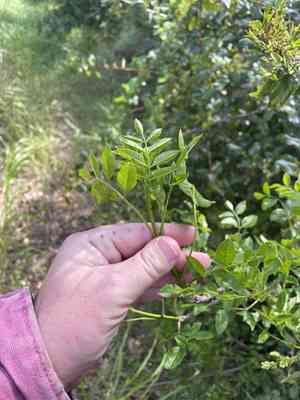
Fraxinus dipetala flourishes optimally in soil that drains effectively and receives ample sunlight. To propagate, utilize robust cuttings acquired during their dormant phase, and insert them into damp, aerated soil until roots emerge. Guarantee steady hydration without oversaturation, and contemplate employing rooting compounds to boost successful development. Steer clear of dense planting arrangements to avert fungal problems. After establishment, require little upkeep, and trim to foster a sturdy framework.
Optimal Time for California Ash Propagation
Propagation Method
Cutting
Propagation Period
Autumn,Winter
Tools for California Ash Propagation
Pruning Shears
Pruning shears are vital for obtaining healthy cuttings from california ash. They ensure precise cuts, minimizing plant damage, promoting faster healing, and reducing infection risk.
Rooting Hormone
Rooting hormone is utilized to encourage root development in california ash cuttings. This product enhances the rooting process, increasing successful propagation chances.
Propagation Tray
A propagation tray offers a controlled environment for california ash cuttings. It keeps them organized and aids in consistent watering and monitoring.
Heat Mat
A heat mat helps maintain ideal soil temperatures for root growth in california ash cuttings. Consistent warmth promotes quicker rooting, especially in colder climates.
Humidity Dome
A humidity dome can be placed over the propagation tray to maintain high humidity, crucial for reducing transpiration stress and improving rooting success rates in california ash.
Scalpel or Grafting Knife
A scalpel or grafting knife ensures precise and clean cuts, particularly for finer adjustments when taking california ash cuttings. Their sharp blades help reduce tissue damage and improve healing.
Propagating California Ash
Propagation Difficulty
Moderately Difficult
Caring for Newly Propagated California Ash
Caring for Newly Propagated California Ash
Once california ash cuttings have rooted successfully, transfer them into individual pots with well-draining soil. Water regularly, keeping the soil consistently moist but not waterlogged. Position them in a spot with partial to full sun exposure. Fertilize young plants with a balanced, slow-release fertilizer to support healthy growth. Monitor for pests or diseases and act promptly if detected, ensuring strong, resilient root systems develop.
Common Propagation Errors for California Ash
Overwatering
Excessive watering can lead to root rot, which harms california ash's growth. Roots require dry periods to establish properly.
Insufficient Light
Lack of adequate sunlight can impede photosynthesis, affecting california ash's ability to thrive and grow robustly.
Improper Soil Selection
Using poorly draining soil can cause water stagnation, leading to issues like root rot and poor root development.
Incorrect Cutting Technique
Taking cuttings that are too mature or too young can result in poor propagation success. It's crucial to select healthy, semi-hardwood cuttings.
Tips for Propagating California Ash
Moderate Watering
Water california ash moderately to keep the soil moist but not waterlogged, ensuring roots receive necessary oxygen for growth.
Provide Sufficient Light
Place cuttings in a bright area with indirect sunlight to promote strong and healthy growth.
Well-Draining Soil
Use a well-draining soil mix to prevent waterlogging and ensure good aeration around the roots.
Appropriate Cutting Selection
Use semi-hardwood cuttings from the current season's growth for the best success rate. Ensure cuttings are healthy and disease-free.



