How to Propagate White ash?
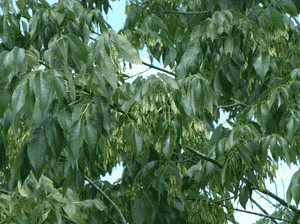
The most suitable period for propagating Fraxinus americana is during the fall and winter seasons, utilizing techniques such as hardwood cuttings, air layering, and seed germination. The process presents a moderate level of challenge, with indicators of successful propagation being the emergence of roots and fresh shoots. Essential advice involves ensuring appropriate soil and hydration levels, alongside meticulous handling of the cuttings or seeds.
Optimal Period for White Ash Propagation
Propagation Method
Cutting
Propagation Period
Autumn,Winter
Tools Required for White Ash Propagation
Pruning shears
Utilized for making precise cuts on the parent white ash plant to obtain sections. It is crucial that the pruning shears are sharp and sanitized prior to use to prevent disease spread and ensure a clean cut that will heal more effectively and root more easily.
Rooting hormone
Applied to the severed end of white ash cuttings to stimulate root development and improve the likelihood of successful propagation. The application of rooting hormone can significantly accelerate root formation and boost the overall success rate.
Propagation tray
Functions as a container to hold white ash cuttings while they establish roots. The tray should offer adequate drainage and be large enough to accommodate multiple cuttings without overcrowding, facilitating healthy root growth.
Misting bottle
Used to maintain moisture levels around the white ash cuttings, which is vital for preventing them from drying out before they can root. Regular misting helps create a micro-environment with the necessary humidity for ideal rooting conditions.
Soil or growing medium
A well-draining, sterile growth substrate provides the white ash cuttings with a suitable environment for root formation. It should be light yet capable of retaining sufficient moisture to encourage rooting without causing rot or fungal issues.
Heating mat (optional)
An optional device that can supply bottom warmth to the white ash propagation tray, encouraging quicker root development. Consistent heat at the base of the cuttings can enhance rooting speed and improve germination rates for certain plant species.
Post-Propagation Care for Your New White Ash
Post-Propagation Care for Your New White Ash
Once the white ash cutting has successfully rooted, gradually introduce it to normal humidity levels by removing the plastic cover over a week. After the new white ash is acclimated, transfer it into a larger container or directly outdoors, if conditions permit. Provide the tree with sufficient water, good soil drainage, and full sun to partial shade. Monitor for pests and diseases and apply fertilizer suitable for white ash to encourage robust growth.
Common Errors to Avoid When Propagating White Ash
Substandard rooting medium
Selecting a low-quality or unsuitable rooting medium can hinder root development in white ash. A medium that lacks proper drainage or aeration can cause the cuttings to decay.
Excessive watering of cuttings
While white ash cuttings need to remain moist, overwatering can lead to fungal infections and rot, significantly reducing the chances of successful propagation.
Using unsterilized tools
Failing to sterilize propagation tools can introduce pathogens to white ash cuttings, potentially causing disease and failure.
Incorrect cutting size
Taking cuttings that are either too short or too long can negatively impact their ability to form roots. Cuttings need to be of an optimal size to balance moisture retention and growth potential.
Improper timing for cutting collection
Harvesting cuttings at the wrong growth stage can result in low rooting success rates. For instance, taking cuttings from overly mature or very young white ash growth can impede proper root formation.
Advice for Propagating White Ash
Utilize appropriate rooting hormone
Applying the correct concentration of rooting hormone to the cut end of white ash cuttings can significantly boost root development and the propagation success rate.
Ensure adequate humidity
Maintaining a high humidity environment for white ash cuttings is essential, as it helps them retain moisture and prevents drying out while roots are forming.
Optimal light exposure
Providing white ash cuttings with indirect sunlight promotes growth while avoiding the stress of direct, intense light, which can cause wilting.
Selective pruning
Choose healthy, disease-free branches for cuttings. White ash cuttings must originate from vigorous and robust parent plants to increase the likelihood of successful propagation.
Monitor for pests and diseases
Regularly inspecting white ash cuttings for signs of pests or disease allows for prompt intervention, which is crucial for the success of propagation efforts.



