How to Propagate Wild strawberry?
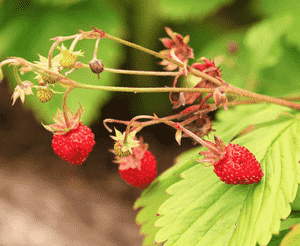
Wild strawberry is most effectively propagated in the Spring, mainly by means of Sowing. Its propagation is regarded as straightforward, with positive signs including fresh, verdant growth and the formation of roots. Essential advice: Plant seeds at the ideal depth and ensure consistent humidity.
When Is the Optimal Period to Propagate Wild Strawberry?
Propagation Method
Seeding
Propagation Period
Spring
What Equipment Is Used for Wild Strawberry Propagation?
Seed trays or flats
Used for planting wild strawberry seeds in a controlled setting. They enable uniform spacing and organized development, crucial for the small seeds of wild strawberry.
Fine vermiculite or seed starting mix
Offers a light and well-draining medium for wild strawberry seed sprouting, vital for maintaining proper moisture and preventing seed decay.
Misting bottle or fine spray nozzle
Delivers a gentle spray to keep wild strawberry seeds damp without disturbing them with strong water flow, as wild strawberry seeds require consistent moisture for optimal germination.
Heating mat
Provides consistent and gentle warmth beneath the seed trays, which can enhance the germination rate of wild strawberry by keeping the soil at an ideal temperature.
Grow lights
Supplies sufficient light for wild strawberry seedlings if natural light is inadequate, ensuring robust and healthy growth after germination.
Transparent dome or plastic wrap
Creates a miniature greenhouse effect over the seed trays, which helps maintain high humidity and stable temperature perfect for wild strawberry seed germination.
How to Propagate Wild Strawberry?
Propagation Method
Seeding
Difficulty Level
Easy
How to Care for Your Newly Propagated Wild Strawberry?
How to Care for Your Newly Propagated Wild Strawberry?
Following propagation, consistent attention will help wild strawberry flourish. Water wild strawberry plants regularly, especially during dry spells, to keep the soil moist. Apply mulch around the plants to retain moisture and deter weeds. Fertilize with a balanced feed in early spring. Monitor for pests and diseases, and trim off any damaged or diseased leaves to maintain health. Provide bird netting if birds are common in the area to safeguard the fruit. Enjoy the berries as they ripen, typically from late spring through early summer.
Common Errors to Avoid When Propagating Wild Strawberry
Ignoring runners
Gardeners might overlook the natural propagation method of wild strawberry through runners. Neglecting this characteristic can lead to missed chances for simple, successful propagation.
Overcrowding
Planting wild strawberry's runners or seeds too close together can result in competition for resources, leading to stunted growth and poor development.
Inadequate soil preparation
Failing to prepare well-draining soil with appropriate nutrients can impede wild strawberry's root development and overall health.
Excessive watering
While wild strawberry needs moist soil, too much water can cause root rot and fungal diseases, which can be detrimental to plant health and propagation efforts.
Tips For Propagating Wild Strawberry
Runner management
Encouraging the growth of runners and providing them space will allow wild strawberry to establish new plants efficiently. Ensure each runner has ample room to root.
Soil quality
Provide wild strawberry with fertile, well-draining soil, rich in organic matter to promote healthy root growth and successful establishment.
Watering balance
Maintain a balance in watering, keeping the soil moist but not waterlogged, to support the rooting of new wild strawberry plants without risking disease.
Spacious planting
When sowing seeds or separating runner plants, space them sufficiently to avoid competition, allowing each new wild strawberry plant access to ample resources.



