How to Propagate Woodland strawberry?
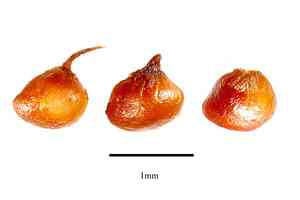
Woodland strawberry generally flourishes when sown in spring, which is its preferred approach. Reproduction is quite straightforward, indicated by positive signs such as fresh sprouts and robust root systems. Provide a growing medium that drains effectively and maintain steady hydration for peak development.
Optimal Period for Woodland Strawberry Propagation
Propagation Method
Seeding
Propagation Season
Spring
Tools Utilized for Woodland Strawberry Propagation
Seed tray with a clear dome
A seed tray featuring a transparent dome establishes an optimal microclimate for woodland strawberry seeds, maintaining high humidity and stable temperatures. The clear cover permits light penetration, boosting germination success.
Spray bottle or misting system
Germinating woodland strawberry seeds necessitate a consistently damp substrate, yet not waterlogged. A spray bottle or misting system enables gentle watering without displacing or saturating the seeds. This implement is vital for sustaining the correct soil moisture for germination.
Soilless seed starting mix
This blend, devoid of pathogens and weed seeds, offers woodland strawberry a clean, well-draining medium for root development. The mix typically contains peat moss, perlite, or vermiculite, which promotes superior root growth and aeration.
Heat mat
A heat mat gently warms the soil, encouraging quicker and more dependable seed germination for woodland strawberry. It is especially advantageous for sustaining ideal temperatures in colder regions or during off-season propagation.
Grow lights
When natural sunlight is insufficient, grow lights supply the essential light spectrum for woodland strawberry seedlings to perform photosynthesis. This ensures robust and healthy growth until the seedlings are prepared for outdoor transplanting.
Tweezers
For sowing tiny seeds like those of woodland strawberry, tweezers aid in precisely placing seeds into the soil. This helps maintain proper spacing and lessens future thinning efforts.
Pots or cell packs
Once woodland strawberry seedlings develop true leaves, they require transplanting into individual pots or cell packs. This permits continuous growth without overcrowding, guaranteeing each seedling ample space for root and foliage development.
Liquid fertilizer
After the initial weeks of growth, woodland strawberry seedlings benefit from a balanced liquid fertilizer. This delivers crucial nutrients that support healthy development and improved establishment post-transplanting.
Method for Propagating Woodland Strawberry
Propagation Type
Seeding
Difficulty Level
Easy
Post-Propagation Care for Your Woodland Strawberry
Post-Propagation Care for Your Woodland Strawberry
Following propagation, woodland strawberry demands consistent moisture but well-drained soil, as excessively wet conditions can lead to root rot. Position plants in an area with full sun to partial shade, ensuring at least 6 hours of daily sunlight. Fertilize with a balanced, all-purpose fertilizer during the growing season, adhering to manufacturer's guidelines. Utilize mulch to retain moisture and suppress weeds. Monitor for pests such as slugs and aphids. Ensure plants are shielded from extreme summer heat and mulch around them for winter protection. With proper care, woodland strawberry can yield fruit in its second year and can be encouraged to spread and propagate naturally via runners.
Common Errors to Avoid When Propagating Woodland Strawberry
Excessive watering
Overwatering can cause root rot in woodland strawberry, hindering the development of a healthy root system vital for successful propagation.
Inadequate spacing
Failing to provide sufficient space between runners can result in competition for nutrients and light, weakening woodland strawberry plants and diminishing their vigor.
Neglecting soil quality
Ignoring soil quality during woodland strawberry propagation can lead to poor plant performance. Woodland strawberry thrives in well-draining soil rich in organic matter.
Poor cutting selection
Utilizing unhealthy or non-viable parts of woodland strawberry for cuttings can result in propagation failure because weak cuttings may not root or grow effectively.
Ignoring pests
Not addressing pests promptly can lead to infestations that can harm or kill new woodland strawberry plants.
Advice for Propagating Woodland Strawberry
Runner selection
Select healthy and vigorous runners from woodland strawberry for propagation to ensure a higher success rate and a stronger start for new plants.
Adequate moisture
Maintain consistent moisture levels in the soil without overwatering to support the rooting process of woodland strawberry without causing decay.
Soil preparation
Prepare the soil with ample organic matter to enhance drainage and nutrient availability, creating an ideal environment for woodland strawberry propagation.
Pest monitoring
Regularly check for signs of pests or diseases and take swift action to prevent damage to young woodland strawberry plants.
Rooting hormone
Applying a rooting hormone can help stimulate root growth in woodland strawberry cuttings, increasing the likelihood of successful propagation.



