How to Propagate Greenstem forsythia?
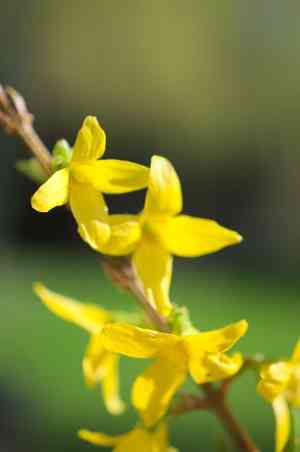
Greenstem forsythia is most effectively propagated via cuttings or layering during the colder seasons of fall and winter. This procedure is quite straightforward, and the emergence of new shoots on the cuttings signifies successful propagation. Ensure sufficient hydration is provided throughout this phase.
Optimal Period for Greenstem Forsythia Propagation
Propagation Method
Cutting
Propagation Season
Autumn,Winter
Tools Required for Greenstem Forsythia Propagation
Sharp Pruning Shears
Crucial for taking cuttings, sharp pruning shears guarantee clean cuts that prevent damage and disease in greenstem forsythia. The blades should be made of high-quality, rust-resistant material, making the cutting process more efficient and reducing stress on the plant.
Rooting Hormone
This compound promotes root development at the base of greenstem forsythia cuttings. It enhances the success rate of propagation by stimulating root formation, which is vital for healthy establishment after planting.
Clean Pots or Trays
Used to hold greenstem forsythia cuttings, these containers should offer ample space and a sterile environment for the new plants to grow. Good drainage is a key feature to prevent root rot and other moisture-related issues.
Sterilization Supplies
Alcohol or bleach solutions are necessary to sanitize pruning shears and containers, minimizing the transmission of disease to greenstem forsythia during the critical propagation phase.
Potting Mix or Perlite
A well-draining and nutrient-rich medium is important for greenstem forsythia cuttings to develop healthy roots. Perlite can be added to increase aeration and drainage, specifically catering to the needs of the cuttings.
Misting Bottle
Used to maintain high humidity around greenstem forsythia cuttings. Proper humidity is essential for preventing the cuttings from drying out, especially important since greenstem forsythia doesn't have a developed root system to absorb water initially.
Plastic Wrap or Propagation Dome
These tools help maintain high humidity around greenstem forsythia cuttings - a critical factor for rooting success. Transparent covers also allow for light penetration while reducing moisture loss.
Labels and Markers
To keep track of greenstem forsythia propagation batches, these tools ensure correct identification and tracking of growth progress. Record-keeping is beneficial for monitoring the health and development of each cutting.
Post-Propagation Care for Your Greenstem Forsythia
Post-Propagation Care for Your Greenstem Forsythia
After propagation, greenstem forsythia needs full sun to partial shade and prefers well-drained soil. Water the new plants regularly to keep the soil moist but not soggy, especially during the first growing season. Once established, greenstem forsythia is drought-tolerant. During the first winter, apply mulch to protect the young plants. Prune in late winter or early spring to maintain shape and encourage bushy growth.
Common Errors to Avoid When Propagating Greenstem Forsythia
Insufficient cutting length
Short cuttings may lack adequate reserves to sustain growth, leading to a failed propagation attempt.
Overwatering
This can cause root rot in greenstem forsythia cuttings, which impedes root establishment and can result in plant mortality.
Neglecting humidity
Low humidity conditions can cause greenstem forsythia cuttings to dry out before they can root, compromising propagation success.
Improper soil
Using soil that does not drain well can lead to waterlogging, affecting root development in greenstem forsythia cuttings.
Planting depth
Inserting greenstem forsythia cuttings too deeply can cause the stem to rot, while too shallow placement may not provide necessary support.
Overlooking sanitation
Failing to use clean tools or containers can introduce diseases, negatively impacting greenstem forsythia cuttings and overall health.
Advice for Propagating Greenstem Forsythia
Cutting selection
Using semi-hardwood cuttings from healthy greenstem forsythia plants increases the likelihood of successful rooting.
Rooting hormone
Applying rooting hormone can stimulate root growth in greenstem forsythia cuttings, improving the chances of successful propagation.
Moisture management
Keeping the soil consistently moist but not waterlogged is key in the rooting process for greenstem forsythia cuttings.
Humidity control
Maintaining high humidity around greenstem forsythia cuttings, such as using a plastic cover, can prevent desiccation.
Well draining soil mix
Utilizing a well-draining soil mix helps prevent waterlogging, encouraging proper root development in greenstem forsythia.
Correct planting depth
Inserting greenstem forsythia cuttings at the right depth ensures adequate support and access to moisture for rooting.
Sterilization practices
Sanitizing cutting tools and containers before use minimizes the risk of introducing pathogens to greenstem forsythia cuttings.



