How to Propagate Nerve plant?
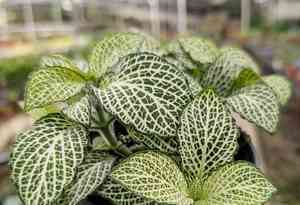
Fittonia is readily multiplied through cuttings in the Spring and Summer seasons. Establishing roots in water, followed by a move to a well-aerated soil blend, guarantees excellent propagation outcomes. The emergence of roots and fresh foliage signifies successful propagation.
Optimal Period for Nerve Plant Propagation
Propagation Type
Cutting
Propagation Season
Spring, Summer
Essential Tools for Nerve Plant Propagation
Sharp Scissors or Pruning Shears
These instruments are utilized to execute accurate and clean incisions on nerve plant's stems for cutting propagation, which aids in disease prevention and fosters superior rooting. A straight cut minimizes harm to the plant's vascular system, facilitating quicker recovery.
Rooting Hormone Powder or Gel
This substance promotes root development on nerve plant cuttings. By submerging the severed end into the hormone, you stimulate the formation of new roots, thereby increasing the likelihood of successful propagation.
Sterile Potting Mix or Seed Starting Mix
Offers a clean, pathogen-free growth medium for nerve plant cuttings to establish roots. A well-aerated, moisture-retentive blend supports root formation without waterlogging, which is vital as nerve plant prefers consistently moist soil.
Small Pots or Propagation Trays
Employed to house individual nerve plant cuttings during their root development phase. The dimensions are suitable for maintaining requisite humidity and moisture levels without occupying excessive space.
Plastic Bags or Propagation Dome
These create a miniature greenhouse environment around nerve plant cuttings, preserving high humidity and stable temperatures, which are crucial for encouraging root development in nerve plant.
Heating Mat (Optional)
For enhancing the success rate of nerve plant propagation, particularly in cooler environments. Underneath warmth stimulates rooting, as nerve plant cuttings root best at slightly elevated temperatures compared to average room temperature.
Tweezers
Enable delicate handling and placement of nerve plant cuttings into the growing medium without harming the fragile stems or newly formed roots.
Method for Propagating Nerve Plant
Propagation Type
Cutting
Difficulty Level
Easy
Post-Propagation Care for Your Nerve Plant
Post-Propagation Care for Your Nerve Plant
Following propagation, position nerve plant in a spot with bright, indirect illumination and elevated humidity. Water consistently, allowing the top inch of soil to dry slightly between waterings. Avoid excessive watering but do not let the soil become completely parched. Fertilize sparingly during the active growth period. Maintain temperatures between 60-80°F (15-26°C) and steer clear of drafts or abrupt temperature shifts. Prune occasionally to encourage a fuller growth habit.
Common Errors to Avoid During Nerve Plant Propagation
Overwatering
Saturated soil can lead to root rot in nerve plant, impeding root development in cuttings and causing established plants to suffocate.
Cutting size
Utilizing cuttings that are either too short or too long can result in poor root initiation or the cutting being unable to sustain itself, respectively.
Neglecting humidity
Disregarding the necessity for a high humidity environment can cause nerve plant's cuttings to dehydrate and fail to root.
Inadequate light
Exposing nerve plant cuttings to direct sunlight can scorch the foliage, while insufficient light may lead to slowed or stunted development.
Ignoring cleanliness
Using unsterilized tools or containers can introduce pathogens, which can be detrimental to nerve plant during the delicate propagation phase.
Advice for Propagating Nerve Plant
Watering balance
Maintain soil that is moist but not waterlogged to encourage root growth without risking decay.
Optimal cutting length
Select cuttings that measure 4 to 6 inches in length to ensure a balance between root initiation and the cutting's ability to sustain itself.
Maintain humidity
Cover the nerve plant cutting with a transparent plastic bag or place it in a humidity dome to retain moisture around the leaves.
Indirect light
Position the nerve plant cuttings in bright, indirect light to promote growth without causing harm to the delicate foliage.
Sterilization
Sterilize tools and use clean pots to prevent the spread of disease during the propagation process.



