How to Propagate Fiddle-leaf fig?
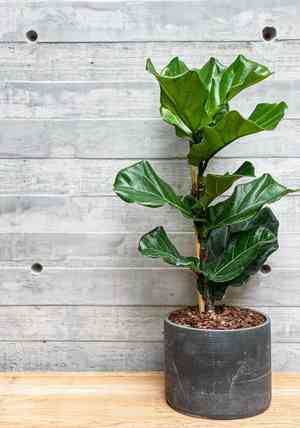
The Ficus lyrata, a tropical species, is recognized for its expansive, lyre-shaped foliage, making it an impressive feature in interior environments. Its reproduction mainly occurs through stem sections, which must be harvested from robust specimens, ensuring each segment possesses at least one or two leaves and a growth point. Employ a keen, disinfected cutting tool to lessen trauma and the risk of disease. Root development is most effectively started in water or damp growing medium, under conditions of warmth and diffused light. Perseverance is crucial, as root formation can span several weeks, following which the rooted segments can be transplanted into separate pots.
Optimal Time for Fiddle-leaf Fig Propagation
Propagation Method
Cutting
Propagation Period
Autumn,Winter
Essential Tools for Fiddle-leaf Fig Propagation
Sharp Pruning Shears
These are vital for making clean, precise cuts on fiddle-leaf fig. Sharp blades prevent crushing or damage to cuttings, which is crucial for encouraging robust root development. Clean cuts minimize infection risk and boost propagation success.
Rooting Hormone
This enhances the probability of successful root formation when applied to the cut end of a fiddle-leaf fig cutting. Rooting hormones stimulate root growth, improving the overall stability and health of new plants.
Sterile Potting Mix
A well-draining, sterile potting mix offers an ideal environment for fiddle-leaf fig roots to grow. It prevents disease and supports appropriate moisture levels around new roots, which is critical for early plant development.
Small Pots or Containers
These are used for planting new fiddle-leaf fig cuttings. Using the correct size promotes effective root growth without overwhelming the young plant with too much soil, which can retain excessive moisture and lead to root rot.
Plastic Bags or Covers
Creating a mini-greenhouse effect around new fiddle-leaf fig cuttings by covering pots with plastic helps maintain high humidity and stable temperatures, both beneficial for encouraging root growth in cuttings.
Watering Can with a Fine Rose
Ensures gentle watering of fiddle-leaf fig cuttings, preventing soil erosion or disturbance to newly forming roots. Proper hydration is paramount during the propagation phase.
Fiddle-leaf Fig Propagation Difficulty
Propagation Type
Moderately Difficult
Caring for Your Newly Propagated Fiddle-leaf Fig
How to Care for Your Newly Propagated Fiddle-leaf Fig?
Post-Propagation Care: Once the fiddle-leaf fig cutting has rooted, gradually introduce it to drier conditions by removing the plastic bag over about a week. Keep the soil consistently damp but not waterlogged. Position it in an area with bright, indirect light and maintain temperatures between 60-75°F (15-24°C) for optimal growth. Avoid drafts and direct sun, which can harm the new fiddle-leaf fig. Fertilize monthly with a balanced, water-soluble product during the growing season, but reduce feeding in fall and winter when growth naturally slows.
Common Errors to Avoid When Propagating Fiddle-leaf Fig
Overwatering cuttings
Excess moisture can lead to root rot and fungal infections, severely hindering root development and potentially killing the cutting.
Using dull cutting tools
Dull tools can crush the stem instead of making a clean cut, damaging the vascular system essential for water and nutrient uptake.
Ignoring humidity requirements
Fiddle-leaf fig thrives in high humidity; failing to provide a humid environment for the cutting can result in dehydration and poor root growth.
Taking cuttings from unhealthy plants
Cuttings from diseased or stressed plants are less likely to root and develop into healthy new plants, as they lack the vigor needed for successful propagation.
Neglecting the choice of soil
Using unsuitable soil that lacks proper drainage can cause new roots to rot, undermining the propagation process.
Tips For Propagating Fiddle-leaf Fig
Use healthy and mature plants
Select robust, mature growth for cuttings to ensure they possess sufficient stored energy for root development.
Provide consistent warmth
Maintaining a warm environment around the cutting without extreme temperature fluctuations aids root development for fiddle-leaf fig.
Opt for bright, indirect light
Fiddle-leaf fig cuttings require bright, indirect sunlight to stimulate growth without the risk of scorching the delicate new foliage.
Maintain high humidity
Creating a humid microclimate, such as using a propagation case or plastic bag, helps prevent the cutting from drying out.
Water carefully
Water just enough to keep the soil moist but not waterlogged. This balance is crucial for healthy root development.



