How to Propagate Council tree?
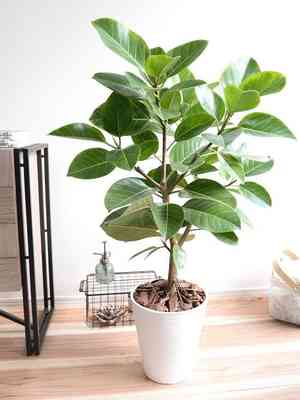
As a member of the varied fig genus, council tree is most effectively reproduced via the cutting technique. To achieve successful clone formation, choose a robust stem tip and execute a precise incision. Submerge the cutting in a rooting stimulant to boost root growth, then place it into a potting blend that drains efficiently. Confirm the substrate stays damp yet not oversaturated to foster root establishment. Given appropriate attention, fresh shoots usually appear, indicating successful reproduction.
Optimal Time for Council Tree Propagation
Propagation Method
Cutting
Propagation Period
Autumn,Winter
Tools for Council Tree Propagation
Sharp Cutting Tool (e.g., pruning shears, garden scissors)
Crucial for making clean, precise cuts on council tree, sharp tools minimize plant damage, reducing infection risk and stress. A keen blade prevents crushing or tearing plant tissues, significantly boosting cutting success rates.
Rooting Hormone Powder or Gel
Applying rooting hormone to council tree cuttings significantly boosts root development. This hormone stimulates root growth, leading to faster, stronger root systems. It's especially useful for council tree, helping establish robust new plants from cuttings.
Sterile Potting Mix or Perlite
A well-draining, sterile medium is vital for planting council tree cuttings to prevent disease and ensure aeration. Perlite or a specialized propagation mix helps maintain proper moisture and air balance, fostering healthy root systems without waterlogging or fungal issues.
Humidity Dome or Plastic Bags
Maintaining high humidity around council tree cuttings is crucial for their initial survival. A humidity dome or a simple clear plastic bag creates a mini-greenhouse effect, keeping cuttings moist and preventing dehydration before rooting begins.
Misting Bottle
Regular misting provides essential moisture, aiding council tree cuttings in establishing new roots. Gentle water application via a misting bottle ensures delicate new cuttings aren't overwatered, which can harm the propagation process.
Council Tree Propagation Guide
Propagation Difficulty
Moderately Difficult
Post-Propagation Care for Council Tree
Post-Propagation Care for Council Tree
Once roots are established, gradually introduce council tree to lower humidity by progressively removing the plastic cover over a week. Water the soil regularly, keeping it slightly damp but not waterlogged. After a month, begin fertilizing every 4-6 weeks with a balanced, water-soluble fertilizer to encourage healthy growth. Ensure council tree continues to receive indirect sunlight and maintain a consistent temperature, avoiding cold drafts or overly dry air. Repot council tree when roots become pot-bound, typically every 2-3 years for optimal health.
Common Errors to Avoid When Propagating Council Tree
Overwatering cuttings
This can cause root rot and fungal infections, decreasing the likelihood of successful rooting.
Using overly dense soil
Heavy soils retain too much moisture and lack proper aeration, hindering root development in council tree.
Ignoring humidity levels
Council tree cuttings require a humid environment to thrive; neglecting this can lead to dehydration and poor rooting.
Taking cuttings from unhealthy plants
Cuttings from a weak or diseased council tree parent plant are less likely to propagate successfully.
Insufficient light
While direct sun can scorch cuttings, too little light can impede the growth of new roots and shoots.
Advice for Propagating Council Tree
Appropriate watering schedule
Keep soil consistently moist, but not waterlogged, to support new root development without causing rot.
Utilize the correct soil mix
Prepare a well-draining and aerated potting mix suitable for council tree, such as one containing peat, perlite, and vermiculite.
Maintain elevated humidity
Cover council tree cuttings with a clear plastic bag or use a propagation box to retain moisture and encourage rooting.
Select robust parent plants
Choose cuttings from vigorous and disease-free council tree plants to enhance propagation success rates.
Suitable light conditions
Position council tree cuttings in bright, indirect sunlight to promote growth without the risk of leaf burn.



