How to Propagate Blue fescue?
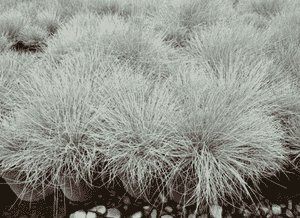
Blue fescue is most effectively multiplied by dividing its clumps in either spring or fall. This technique offers a reasonable chance of success. Indicators of successful propagation encompass fresh development and enhanced general vigor. Exercise caution when detaching roots to prevent harm.
Optimal Period for Blue Fescue Propagation
Propagation Method
Splitting
Propagation Period
Spring, Fall
Tools Required for Blue Fescue Propagation
Sharp Spade or Garden Knife
A keen spade or garden knife is vital for splitting, the main propagation technique for blue fescue. These implements are used to carefully separate root clusters without causing undue harm to the roots. Their sharpness ensures clean cuts, lowering infection risk and promoting quicker recovery and growth of new plants.
Gardening Gloves
Gardening gloves shield hands from cuts and soil-borne pathogens during the propagation process. When handling blue fescue, gloves maintain cleanliness and reduce plant stress, ensuring healthy division.
Trowel
A trowel is employed for excavating around the base of blue fescue and lifting the plant from the soil with minimal root disturbance. This helps preserve the integrity of the root system during division.
Watering Can with a Fine Rose
Post-division, a watering can equipped with a fine rose attachment provides gentle irrigation to blue fescue, preventing soil erosion around the new plantlets and aiding their settling into their new environment. Proper hydration assists in the recovery of the divided plants.
Rooting Hormone
While not always essential, a rooting hormone can be applied to the cut surfaces of the root clumps to encourage rapid root development. This is particularly beneficial for ensuring successful establishment of divided sections of blue fescue.
Plant Labels
Plant labels are utilized to mark the newly propagated blue fescue, ensuring correct identification and tracking of the plants' growth progress. This is important for documenting the division date and any other relevant care details.
How to Propagate Blue Fescue
Propagation Method
Division
Difficulty Level
Simple
Caring for Your Newly Propagated Blue Fescue
Caring for Your Newly Propagated Blue Fescue
Following propagation, keep the soil around blue fescue consistently moist but not waterlogged for the initial few weeks to encourage root establishment. Gradually decrease watering as the plant becomes established. Position the blue fescue in a sunny spot and ensure the soil drains well. Fertilize blue fescue sparingly in the spring, and you may trim back the foliage in early spring before new growth begins to maintain a tidy appearance. Protect newly propagated plants from extreme temperatures with mulch or frost cloth as needed. Regularly check for pests or diseases and treat appropriately for blue fescue.
Common Errors to Avoid When Propagating Blue Fescue
Excessive Watering
Overwatering during the propagation process can lead to root rot in blue fescue. Stagnant water in propagation trays creates an oxygen-deprived environment that harms root development, potentially killing the plantlets.
Deep planting
Planting blue fescue seeds too deeply can hinder germination due to insufficient light, which is crucial for the germination of many grass species.
Ignoring division timing
Dividing blue fescue at an inappropriate time, such as when the plant is dormant or flowering, can shock the plant, resulting in poor root establishment and growth after propagation.
Incorrect soil mixture
Using a soil mix that doesn't provide good drainage can be detrimental to blue fescue, as their roots prefer well-drained conditions. Soil that retains too much moisture can cause root rot.
Neglecting to separate rootballs
Failing to gently separate rootballs when dividing blue fescue can damage the roots, making them less likely to establish and thrive after being transplanted.
Tips For Propagating Blue Fescue
Gentle division
Use a sharp, clean tool to divide blue fescue's dense root clump, ensuring minimal damage to the roots for better recovery and growth after propagation.
Well-draining soil
Propagate blue fescue in a well-draining soil mix to prevent waterlogging and root rot, which will increase the success rate of propagation.
Seed surface sowing
Sow the seeds of blue fescue on the surface of the soil, as they require light to germinate effectively. Gently press them into the soil without covering them.
Consistent moisture
Keep the soil consistently moist but not waterlogged during the germination of blue fescue's seeds to avoid drying out, which would hinder germination.
Careful watering
Use a fine mist to water blue fescue seeds and young plants to prevent disturbing the seeds or causing soil erosion, which can impact seedling development.



