How to Propagate Copse Bindweed?
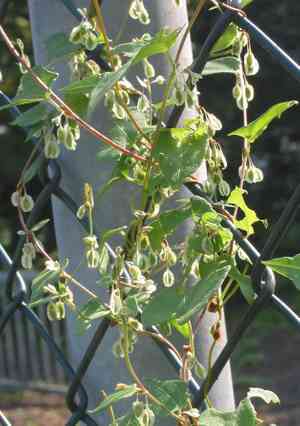
A vigorous climbing plant, copse Bindweed can be successfully multiplied by planting its seeds. To achieve good sprouting, create a soil blend that drains properly and keep it consistently damp without oversaturating it. A warm setting fosters the development of young plants, and filtered light helps prevent burning. After the young plants produce their first true leaves and are sufficiently strong, carefully move them to their permanent location to prevent damage to their roots. Sustaining average soil richness will promote robust growth without the plant becoming overly aggressive.
Optimal Period for Copse Bindweed Propagation
Propagation Type
Sowing
Propagation Season
Spring
Tools for Copse Bindweed Propagation
Seed Trays
Seed trays are crucial for initiating copse Bindweed from seeds, offering a contained space that aids in regulating the moisture and warmth vital for seed germination. These trays facilitate easier oversight and consistent development, which is key for delicate copse Bindweed seedlings.
Peat Pots
Peat pots are especially beneficial for copse Bindweed as they reduce root disturbance during transplanting. They are biodegradable, providing an environmentally friendly option that allows young copse Bindweed plants to be placed directly into the soil without removal, thus protecting the fragile root system.
Misting Spray Bottle
A misting spray bottle is essential for gently watering copse Bindweed seedlings without overwhelming them with excessive water pressure. This tool helps maintain ideal soil moisture, which is critical for germination and the initial growth phases of copse Bindweed.
Heat Mat
Heat mats supply a consistent source of warmth from below, which is advantageous for the germination of copse Bindweed's seeds, particularly in cooler climates or during colder periods. The steady heat improves germination rates and accelerates seedling growth.
Perlite
Adding perlite to the soil mix used in seed trays for copse Bindweed improves aeration and drainage, creating an ideal growing environment for seed germination. Perlite lightens the soil mix, promoting better root growth and preventing soil compaction, which benefits the young roots of copse Bindweed.
How to Propagate Copse Bindweed?
Propagation Type
Easy
Caring for Your Newly Propagated Copse Bindweed
Caring for Your Newly Propagated Copse Bindweed
Post-germination, thin copse Bindweed seedlings to prevent overcrowding, ensuring optimal growth. Gradually introduce young plants to outdoor conditions before moving them to their permanent spot in areas with partial shade to full sun. Consistent watering, especially during dry spells, and applying a balanced fertilizer during the growing season will encourage vigorous growth. Monitor for pests and diseases, treating as needed to maintain plant health.
Common Errors to Avoid When Propagating Copse Bindweed
Overwatering
Excessive watering during copse Bindweed propagation can lead to root rot, significantly impairing the plant's ability to absorb nutrients and establish a healthy root system. This error can ultimately result in reduced plant vigor and potentially plant death.
Deep planting
Planting copse Bindweed cuttings or seeds too deeply can impede germination and root emergence. Deep planting can deprive seeds of necessary oxygen, or cause cuttings to rot due to excessive moisture and lack of air.
Neglecting humidity
Failure to maintain adequate humidity for copse Bindweed cuttings can hinder root development. Cuttings require a moist environment to encourage root growth; without it, they can dry out and fail to establish.
Tips For Propagating Copse Bindweed
Softwood cuttings
Utilizing softwood cuttings from healthy copse Bindweed stems can be highly effective. Select a stem that is not overly mature but exhibits new growth. This method often leads to quicker and more robust root development.
Sterile medium
Propagate copse Bindweed in a sterile propagation medium like peat or sand to prevent disease and foster healthy root growth. Ensuring the medium is free of pathogens is crucial for the successful establishment of new plants.
Indirect sunlight
Position copse Bindweed cuttings in a location that receives indirect sunlight. Direct sunlight can cause excessive heat and light stress on new cuttings, impeding their growth and risking damage or dehydration.



