How to Propagate White wood aster?
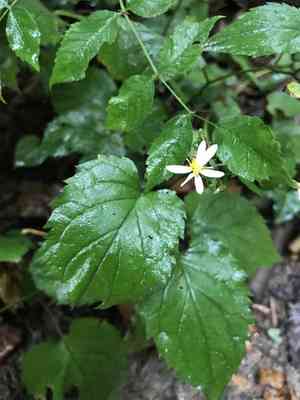
White wood aster reproduces most effectively by planting seeds in the springtime, a relatively straightforward procedure. Observe fresh shoots as an indicator of successful propagation. Provide sufficient hydration and illumination for peak outcomes.
Optimal Period for White Wood Aster Propagation
Propagation Method
Seeding
Propagation Season
Spring
Essential Tools for White Wood Aster Propagation
Seed trays or flats
Seed trays are vital for initiating white wood aster from seeds. They offer a controlled setting for germination. Featuring multiple cells or compartments, they enable efficient space utilization and minimize disease transmission among seedlings. These trays also simplify handling and transplanting once seedlings are ready for larger containers or garden beds.
Sterile potting mix
This medium is crucial for planting white wood aster seeds. A sterile potting mix lacks harmful pathogens that could damage delicate seedlings. It also provides the necessary balance of drainage and moisture retention to support the initial growth phases of white wood aster.
Watering can with a fine rose
A watering can equipped with a fine rose attachment is essential for gently irrigating white wood aster seeds and seedlings without disruption. The fine spray evenly distributes water, mimicking soft rain and reducing the chance of washing away or burying seeds too deeply.
Plastic dome or cover
A transparent plastic dome or cover helps maintain high humidity and a stable temperature around white wood aster seedlings, which is beneficial for their germination and early development. It also aids in retaining soil moisture, thereby reducing the need for frequent watering.
Labels and markers
Properly labeling seed trays with markers ensures accurate identification of white wood aster throughout the propagation process. This is especially important when propagating multiple plant species simultaneously. Labels should be waterproof and fade-resistant to endure varying conditions during germination and early growth.
Steps to Propagate White Wood Aster
Propagation Method
Seeding
Difficulty Level
Simple
Post-Propagation Care for Your White Wood Aster
Post-Propagation Care for Your White Wood Aster
For care after propagation, ensure white wood aster is situated in partial shade and well-draining soil. Water young plants consistently until established, after which white wood aster will tolerate some dry spells. Apply mulch to retain soil moisture and suppress weeds. Fertilize with a balanced, slow-release product in spring. Remove spent flowers to encourage reblooming and divide clumps every few years for rejuvenation if needed. Monitor white wood aster for common pests and diseases, though it generally exhibits good resistance.
Common Errors to Avoid When Propagating White Wood Aster
Poor cutting choices
Selecting weak, diseased, or aged stems for cuttings can result in failed propagation, as they may not root effectively or could transmit diseases to new plants.
Overwatering
Excessive watering can cause white wood aster cuttings to rot before they can establish roots, preventing their growth.
Underestimating root space
If white wood aster is divided with insufficient root sections, new plants may struggle to thrive due to a lack of stored resources and energy in the roots.
Neglecting sterilization
Using unsterilized tools for cuttings or division can introduce pathogens, potentially harming the cuttings or the parent plant.
Ignoring cutting angle
Cutting stems straight across can reduce the surface area available for root development. An angled cut enhances the potential rooting surface.
Tips for Propagating White Wood Aster
Healthy stem selection
Choose vigorous, healthy young stems for cuttings to boost the likelihood of successful rooting and disease-free development.
Moisture moderation
Maintain consistent moisture levels when propagating white wood aster from cuttings or divisions. The soil should be damp but not waterlogged to support initial root growth.
Adequate root division
Ensure white wood aster divisions possess a substantial root system to support the new plant, increasing the chances of successful establishment.
Sterilize equipment
Always use sterilized tools for cuttings and divisions to prevent disease spread and give white wood aster the best opportunity for healthy growth.
Optimal cutting technique
Make cuts with a sharp, clean tool at a 45-degree angle to enlarge the area for root development and promote faster healing.



