How to Propagate African Milk Bush?
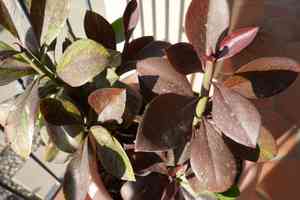
African Milk Bush flourishes when multiplied via cuttings, especially from sound stem portions. For optimal results, confirm that cuttings originate from strong, uninfected areas. Employing a rooting stimulant is recommended to boost root formation, and insert the cuttings into a porous, sterilized substrate under diffused illumination. Consistent observation of hydration levels and gentle management will further aid the propagation, encouraging vigorous development.
Optimal Time for African Milk Bush Propagation
Propagation Method
Cuttings
Propagation Period
Fall,Winter
Tools for African Milk Bush Propagation
Sharp Pruning Shears
These are vital for making precise cuts on stems or branches of african Milk Bush when taking cuttings. A sharp, sterilized blade minimizes plant damage and promotes better healing and root development in the cuttings.
Rooting Hormone
This substance is utilized to stimulate root growth in african Milk Bush cuttings. Applying rooting hormone to the cut end significantly boosts the chances of successful root initiation, which is key for healthy propagation.
Sterile Potting Mix
A well-draining, pathogen-free potting mix prevents fungal or bacterial infections, which can harm african Milk Bush cuttings. It provides essential aeration and moisture retention for new root development.
Plastic Pots or Trays
These containers are used for planting african Milk Bush cuttings. They must have sufficient drainage holes to allow excess water to escape, preventing root rot and other moisture-related problems.
Plastic Covers or Mini Greenhouses
These items help maintain high humidity around new african Milk Bush cuttings, which is crucial for encouraging root formation. The controlled environment also shields cuttings from external stressors, improving their survival rate.
Heat Mat (Optional)
For growers in colder regions, a heat mat can be indispensable. It provides gentle warmth to the base of the propagation medium, significantly enhancing the rooting process for african Milk Bush by maintaining an ideal temperature.
How to Propagate African Milk Bush?
Propagation Difficulty
Moderately Challenging
Caring for Your Newly Propagated African Milk Bush
Caring for Your Newly Propagated African Milk Bush?
Aftercare: Once roots are established, gradually introduce the young african Milk Bush to lower humidity by incrementally removing the humidity cover over a week. Initially, water moderately, allowing the soil to dry slightly between waterings. Position the plant in bright, indirect light and shield it from extreme temperatures. As african Milk Bush matures, it can tolerate more direct sunlight. Regularly inspect for pests or diseases and treat as needed to maintain plant health.
Common Errors to Avoid When Propagating African Milk Bush
Excessive watering during rooting
Overwatering can cause root rot, especially in the initial propagation stages for african Milk Bush. This condition severely impedes root development, as too much moisture deprives the soil of necessary oxygen, leading to decay and potentially fatal damage to the plant.
Using dull cutting implements
Employing dull or unsterilized cutting tools can injure african Milk Bush tissues, resulting in poor healing and potential infection at the cut sites. Clean, sharp cuts promote healthy callus formation, which is vital for successful rooting.
Disregarding sap precautions
African Milk Bush secretes a milky sap that can irritate skin and is toxic if ingested. Improper handling during cutting or potting without adequate protection (like gloves) can lead to skin irritation or more serious health issues.
Tips For Propagating African Milk Bush
Correct sap handling
When propagating african Milk Bush, always wear gloves and protective clothing to prevent contact with the sap. If skin contact occurs, thoroughly wash the affected area with soap and water.
Optimal cutting method
For effective propagation, make a clean, sharp cut just below a node using sterilized pruning shears. This technique increases the likelihood of successful rooting by minimizing tissue damage and promoting faster healing.
Adequate moisture regulation
Maintain a balanced moisture level in the soil when rooting african Milk Bush cuttings. The soil should be moist but not waterlogged to prevent root rot and ensure sufficient oxygen levels for new root formation.



