How to Propagate Euphorbia pulcherrima?
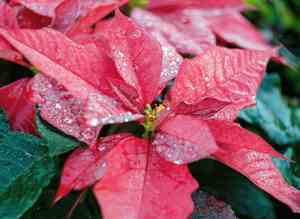
Poinsettia is commonly reproduced via cuttings, with the most suitable periods for this procedure being spring and summer. While propagation can present some difficulty, the emergence of new roots indicates success. Ensure cuttings remain damp and receive diffused illumination to enhance the likelihood of success.
When Is the Optimal Time to Propagate Poinsettia?
Propagation Method
Cutting
Propagation Period
Spring, Summer
What Equipment Is Used in Poinsettia Propagation?
Sharp pruning shears or scissors
These are vital for making precise cuts from the parent poinsettia plant, minimizing harm and the potential for disease spread. Their sharpness ensures smooth cut surfaces, which aids in better healing and rooting.
Rooting hormone powder or gel
This product assists in encouraging root development from the cuttings. Dipping the cut end of a poinsettia cutting into rooting hormone enhances the likelihood of successful rooting, which is critical for the delicate propagation of poinsettia.
Sterile potting mix
A fresh, pathogen-free potting mix is essential for poinsettia propagation, as it lowers the risk of soil-borne diseases affecting new cuttings. It provides a healthy environment for roots to establish.
Propagation tray or small pots
These containers hold the cuttings and potting mix, offering a stable and supportive environment for root growth. They must have adequate drainage to allow excess water to escape, preventing root rot.
Clear plastic cover or bag
Covering the propagation tray with a clear plastic cover creates a humid atmosphere that helps maintain moisture around the poinsettia cuttings, crucial for preventing the delicate cuttings from drying out before rooting.
Heat mat (optional)
For poinsettia cuttings, maintaining a consistent and slightly elevated temperature can boost root growth. A heat mat can gently warm the soil, promoting faster and more successful rooting, especially in cooler climates.
How to Propagate Poinsettia?
Propagation Method
Cutting
Difficulty Level
Moderately Difficult
How to Care for Your Newly Propagated Poinsettia?
How to Care for Your Newly Propagated Poinsettia?
Post-propagation, poinsettia needs consistent but moderate watering, allowing the topsoil to dry between waterings. They thrive in bright, indirect light and temperatures between 65-75°F. Maintain high humidity and lightly fertilize bi-weekly during active growth. Check for pests and prune to shape and encourage bushiness.
Common Errors to Avoid When Propagating Poinsettia
Over-watering
Excessive moisture can lead to root rot, which is particularly damaging for poinsettia cuttings. This species is sensitive to too much water, which can impede root development and foster fungal growth, potentially killing the plant.
Using dull cutting tools
Using unsharpened or unclean cutting tools can harm poinsettia stems, resulting in poor quality cuts. Such cuts may become infected or fail to root properly.
Taking cuttings from weak plants
If cuttings are sourced from an unhealthy poinsettia parent plant, they are less likely to flourish. Weak cuttings may not root at all or may produce feeble plants even if they do take root.
Insufficient light
Although poinsettia cuttings initially need protection from direct sunlight, they still require ample bright, indirect light. Insufficient light can lead to weak, leggy growth and may hinder the rooting process.
Ignoring disease prevention
Poinsettia is susceptible to various diseases during propagation, such as fungal infections. Failing to sterilize equipment or the propagation environment can introduce pathogens that compromise the health of cuttings.
Tips For Propagating Poinsettia
Proper cut selection
Choose healthy, robust stems from the poinsettia for cuttings. The selected cuttings should be free of disease, pests, and damage to increase the chances of successful propagation.
Adequate humidity
Maintaining high humidity levels around poinsettia cuttings helps prevent water loss until they establish roots. Using a plastic cover can create a greenhouse effect, which is beneficial.
Well-draining soil
Using a well-draining propagation medium for poinsettia cuttings is essential to avoid waterlogged conditions that can lead to root rot. A mix of peat and perlite or vermiculite is ideal.
Stem treatment
Before planting, treat the cut end of poinsettia cuttings with a rooting hormone to stimulate root growth and increase the chances of propagation success.
Regular monitoring
Closely observe poinsettia cuttings for signs of growth or distress. Adjusting care, such as watering frequency or light exposure, can significantly impact their survival rate.



