How to Propagate African milk barrel?
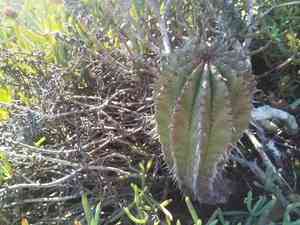
Perfect for those desiring unusual succulents, african milk barrel is mainly multiplied via cuttings. To multiply african milk barrel, choose robust, unblemished stem sections, letting the severed end dry and harden for several days prior to embedding in porous soil. A rooting stimulant can boost the likelihood of success but isn't strictly necessary. Consistent spraying is advised until roots take hold, subsequently, irrigation can be decreased to align with african milk barrel's ability to withstand dry conditions. Gentle manipulation is vital because of its irritating fluid.
Optimal Time for African Milk Barrel Propagation
Propagation Type
Cutting
Propagation Season
Spring,Summer
Tools for African Milk Barrel Propagation
Sharp Pruning Shears
Essential for taking african milk barrel cuttings, sharp shears ensure clean cuts without crushing plant tissues, vital for healthy callus formation and successful rooting. Clean cuts prevent infections and promote faster healing.
Disinfectant for Tools
Crucial for sterilizing pruning shears and other tools used in the cutting process. Disinfecting tools before use prevents disease spread between plants, especially important for succulents like african milk barrel prone to rot if infected.
Rooting Hormone
This chemical compound stimulates root development from african milk barrel cuttings. Applying rooting hormone to the cut stem end enhances rooting success and boosts overall propagation efficiency for african milk barrel.
Cactus Potting Mix
A specialized potting medium for succulents, providing the excellent drainage and aeration african milk barrel needs. It helps prevent root rot and supports robust root development during and after propagation.
Small Pots or Trays
Containers are necessary for planting new african milk barrel cuttings. Small pots or trays with suitable cactus potting mix allow better watering control, reducing root rot risk. This is crucial for young plants establishing new root systems.
Plastic Bags or Covers
These create a humid environment around new african milk barrel cuttings, preventing them from drying out during the initial rooting phase. Maintaining humidity aids african milk barrel propagation by supporting new root development from stem cuttings.
How to Propagate African Milk Barrel?
Propagation Type
Easy
Caring for Your Newly Propagated African Milk Barrel
How to Care for Your Newly Propagated African Milk Barrel?
Once rooted, gradually expose african milk barrel to more direct sunlight for acclimatization to typical growing conditions. Water sparingly, allowing soil to completely dry between waterings, and avoid wetting foliage. Use a diluted succulent fertilizer during active growth, but minimize feeding in dormant periods. Monitor for pests and diseases, treating promptly to maintain health.
Common Propagation Mistakes for African Milk Barrel
Overwatering
Excessive watering of african milk barrel during propagation can lead to root rot, which is particularly damaging given its succulent nature requiring minimal moisture.
Using contaminated tools
Propagation often involves cutting african milk barrel parts. Unclean tools can introduce pathogens, causing infections that hinder root development or result in plant death.
Incorrect soil mix
Using a soil mix that lacks proper drainage or fails to retain adequate moisture can prevent african milk barrel's roots from establishing, leading to rot or dehydration.
Tips For Propagating African Milk Barrel
Use sterile tools
Ensuring all tools are sterilized before cutting african milk barrel helps prevent harmful pathogen introduction and promotes healthier growth.
Appropriate soil mix
Using a well-draining cactus mix that retains some moisture without becoming waterlogged is crucial for successful root establishment of african milk barrel.
Proper cutting technique
When propagating african milk barrel via cuttings, make a clean, sharp cut at the base, and allow the cutting to callous for several days before planting. This reduces the risk of rot.



