How to Propagate Myrtle spurge?
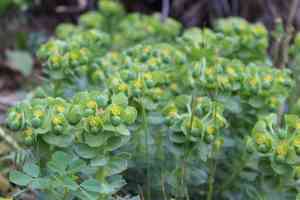
Myrtle spurge, a succulent perennial from the Euphorbiaceae family, is distinguished by its cascading habit and spiraling, glaucous foliage. The most effective way to propagate myrtle spurge involves taking stem cuttings, preferably from robust, non-blooming segments. Make sure each cutting possesses several leaves and is permitted to form a callus for a few days prior to being placed in porous soil. Consistent spraying will encourage root formation, but refrain from excessively wet environments to avert decay. Exercise caution when handling myrtle spurge because of its poisonous latex, utilizing gloves throughout the procedure.
Optimal Time for Myrtle Spurge Propagation
Propagation Type
Cutting
Propagation Season
Spring,Summer
Tools for Myrtle Spurge Propagation
Sharp Pruning Shears
Crucial for making clean, precise cuts on myrtle spurge. Sharp blades minimize harm to the parent plant and ensure a neat stem cut, vital for the health and quick recovery of both the cutting and the remaining plant. Properly cut stems are more likely to root successfully, reducing infection risk.
Rooting Hormone Powder
Encourages quicker root formation from myrtle spurge cuttings. Dipping the cut end into the powder boosts root growth at a more dependable rate, especially beneficial for myrtle spurge, as rooting can be slow or inconsistent without this aid.
Sterile Potting Mix
Offers a clean, well-draining medium for myrtle spurge cuttings to root. A sterile mix is essential to prevent disease and ensure young myrtle spurge roots develop in a controlled, healthy environment. Good drainage is important to avoid waterlogging, which myrtle spurge is sensitive to during early root development.
Small Pots or Trays
Used for planting individual myrtle spurge cuttings. These should be small to medium-sized to support initial growth without being too large, which could lead to excessive moisture retention around new roots. Good drainage in these containers is also critical.
Labels and Permanent Marker
Essential for tracking progress and variety when propagating multiple myrtle spurge cuttings. Labeling helps monitor growth and health, allowing for better care management and easier identification of successful propagation methods.
How to Propagate Myrtle Spurge?
Propagation Type
Easy
Caring for Newly Propagated Myrtle Spurge
How to Care for Your Newly Propagated Myrtle Spurge?
Once roots are established, gradually introduce myrtle spurge to less humid conditions by removing the plastic cover for longer durations daily. Transplant into a larger container or directly into the garden after the last frost. Place myrtle spurge in a location with full sun to partial shade and well-drained soil. Water moderately, allowing the soil to dry between waterings. Fertilize lightly during the growing season and avoid over-watering to prevent root rot.
Common Propagation Mistakes with Myrtle Spurge
Overwatering
Excessive moisture can cause root rot in myrtle spurge, which is susceptible to damp conditions. This typically results in a lower propagation success rate and can kill cuttings or seedlings.
Deep planting
Planting myrtle spurge cuttings or seeds too deeply can impede root development and shoot growth. Shallow planting is preferred to allow for adequate sunlight exposure and air circulation.
Ignoring latex sap precaution
Neglecting the milky latex sap that myrtle spurge emits when cut or broken can be problematic. This sap irritates skin and eyes, and not taking precautions can harm the propagator.
Poorly-timed propagation
Attempting to propagate myrtle spurge under unfavorable conditions can lead to poor root development and low survival rates. While not covering seasonal timing, it's still important to propagate under ideal growing conditions for myrtle spurge.
Neglecting pest management
Failing to manage pests from the start can introduce infestations to new myrtle spurge propagules. Pests can quickly damage or kill young plants that lack established defense mechanisms.
Tips For Propagating Myrtle Spurge
Proper drainage
Ensure the growing medium for myrtle spurge has excellent drainage to prevent water accumulation, which causes root rot. Coarse sand or a gritty compost mix can improve drainage.
Use of gloves
Always wear gloves when handling myrtle spurge due to its irritating sap. This will protect the skin from potential irritation during the propagation process.
Lighting conditions
Expose myrtle spurge to bright light but not direct, intense sunlight immediately after propagation. Sufficient light promotes healthy growth, but excessive direct sunlight can stress new cuttings or seedlings.
Moderate watering
Water myrtle spurge cuttings and seedlings moderately to keep the soil slightly moist but not saturated. Succulent species like myrtle spurge are particularly sensitive to overwatering.
Pest monitoring
Regularly check for signs of pests and treat infestations promptly using appropriate methods. Keeping myrtle spurge healthy from the start enables more robust growth and improved propagation outcomes.



