How to Propagate Mottled spurge?
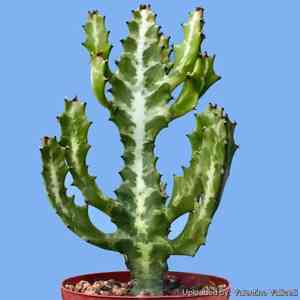
Mottled spurge is most effectively multiplied via cuttings taken in the spring and summer seasons. This process can present a moderate challenge, necessitating consistent humidity and warmth. The emergence of new foliage indicates successful propagation, and allowing the cuttings to form a callus prior to planting is beneficial.
Optimal Period for Mottled Spurge Propagation
Propagation Type
Cutting
Propagation Season
Spring, Summer
Tools Required for Mottled Spurge Propagation
Sharp Pruning Shears
Sharp pruning shears are vital for obtaining cuttings from mottled spurge. Employing a clean, sharp pair of shears ensures a precise incision, minimizing harm to both the parent plant and the cutting. This precision is key to lowering infection risk and promoting quicker callusing and rooting.
Rooting Hormone Powder
Rooting hormone powder stimulates root development on mottled spurge cuttings. Applying rooting hormone to the freshly severed base of the cutting improves the likelihood of successful rooting by supplying the necessary auxins for root cell formation.
Sterilization Agent (e.g., Alcohol or Bleach solution)
A sterilization agent is used to sanitize pruning shears and other tools before cutting mottled spurge. Sterilization prevents the spread of pathogens that could cause disease in the cuttings or parent plant, safeguarding the health of both during the propagation process.
Cactus Potting Mix or Permeable Substrate
A well-draining cactus potting mix or a similarly permeable substrate offers the ideal rooting medium for mottled spurge cuttings. The mix's excellent drainage properties prevent waterlogging, reducing the risk of root rot, a common issue during succulent plant propagation.
Small Pots or Trays
Small pots or trays are utilized for planting mottled spurge cuttings. They should possess ample drainage and be of an appropriate size, providing sufficient space for initial root development without excessive soil that can retain unnecessary moisture.
Plastic Bags or Propagation Domes
Plastic bags or propagation domes create a humid environment around mottled spurge cuttings, which is beneficial for root development. However, as a succulent, mottled spurge requires careful monitoring to ensure humidity doesn't become excessive, as this could encourage fungal growth.
Heating Mat (Optional)
A heating mat can be employed to maintain an optimal and consistent temperature around the base of mottled spurge cuttings. This steady warmth can encourage faster rooting, especially in cooler climates or during colder months. Nevertheless, care must be taken not to overheat the delicate cuttings.
Method for Propagating Mottled Spurge
Propagation Type
Cutting
Difficulty Level
Easy
Post-Propagation Care for Mottled Spurge
How to Care for Your Newly Propagated Mottled Spurge?
Once the mottled spurge cutting has established a robust root system, continue providing care by maintaining a well-draining soil mix and watering only when the top inch of soil is dry. Avoid letting mottled spurge sit in standing water. Provide bright, indirect light and shield it from direct sun to prevent leaf scorching. Fertilize during the growing season with a diluted, balanced fertilizer formulated for cacti and succulents, and reduce watering during the dormant winter months. With proper care, mottled spurge will develop into a healthy and vibrant plant.
Common Errors to Avoid When Propagating Mottled Spurge
Insufficient cutting size
Taking cuttings that are too small can lead to propagation failure as they may lack sufficient energy to support new growth. Similarly, overly large cuttings can wilt or rot before rooting due to difficulty in maintaining adequate moisture levels.
Excessive watering
Overwatering cuttings or young plants can cause rot, especially since mottled spurge possesses succulent characteristics that allow it to store water in its tissues.
Contaminated tools
Using unsanitized cutting tools can introduce pathogens that infect mottled spurge at the cut site, potentially leading to disease and stunted growth.
Inappropriate soil medium
Mottled spurge requires a well-draining soil mixture; using a medium that retains too much moisture can heighten the risk of root rot.
Neglecting aftercare
Failing to provide proper aftercare, such as the correct balance of humidity and airflow, can hinder the rooting process or cause new growth to dry out.
Tips For Propagating Mottled Spurge
Sterile equipment
Ensure all cutting tools are sterilized prior to use to minimize infection risk and promote healthy development.
Correct cutting method
Take cuttings approximately 4-6 inches long with several nodes. Make a clean, angled cut to increase the surface area for root growth and aid in water absorption.
Rooting hormone
Dip the cut end of the cutting in rooting hormone to encourage root development and boost the propagation success rate.
Appropriate substrate
Utilize a cactus or succulent potting mix to provide the necessary drainage and aeration for mottled spurge's rooting and growth.
Controlled watering
Water cuttings sparingly, allowing the soil to dry out between waterings to prevent rot and mimic mottled spurge's natural arid habitat conditions.
Indirect light
Place cuttings in bright, indirect light. Too much direct sunlight can scorch delicate new growth, while insufficient light can result in weak and etiolated plants.



