How to Propagate Euphorbia jolkinii?
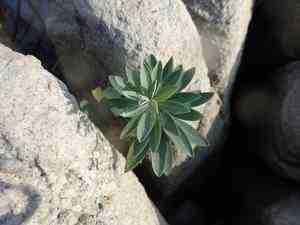
Euphorbia jolkinii flourishes in sandy, porous substrates with ample solar exposure. For propagation, utilize fresh seeds and plant them in an appropriate seed-starting medium. Maintain consistent soil moisture, avoiding saturation. Once sprouts appear, progressively introduce them to external environments. This variety exhibits a distinctive growth habit, necessitating meticulous care for seedling vitality to ensure successful propagation.
When Is the Best Time to Propagate Euphorbia Jolkinii?
Propagation Method
Seeding
Propagation Period
Spring
What Equipment Is Used in Euphorbia Jolkinii Propagation?
Seed Starting Trays
Seed starting trays offer an ideal environment for planting and initial development. Their uniformly sized compartments ensure each seed has sufficient room, boosting germination rates and simplifying seedling management.
Seed Starter Mix
A seed starter mix is a specialized substrate that aids in germination and early root formation. It is typically light, well-draining, and sterile, which helps prevent fungal issues and ensures good aeration and moisture retention for euphorbia jolkinii.
Heat Mat
A heat mat is essential for maintaining the optimal soil temperature for germination. This is particularly advantageous for euphorbia jolkinii, as consistent warmth can speed up germination and encourage uniform growth.
Humidity Dome
Humidity domes help maintain a high-humidity environment, crucial for seed germination and initial growth. They prevent moisture loss and provide a stable micro-environment for developing euphorbia jolkinii seedlings.
Spray Bottle
A spray bottle allows for gentle irrigation, which is vital for delicate seeds and seedlings. It ensures the seed starter mix remains moist without dislodging the seeds of euphorbia jolkinii.
Grow Lights
Grow lights provide a consistent light source, which is crucial for photosynthesis and healthy development of young euphorbia jolkinii plants, especially in areas with insufficient natural light.
Garden Labels
Garden labels are important for keeping track of different seed varieties and planting dates. Proper labeling assists in monitoring the growth and progress of euphorbia jolkinii.
Sterilized Tools
Using sterilized tools such as a small trowel or dibber prevents the introduction of pathogens during the planting process, ensuring the seedlings of euphorbia jolkinii remain healthy and disease-free.
Fine Sieves
Fine sieves are useful for evenly distributing a thin layer of soil or vermiculite over the seeds after planting. This helps to protect the seeds of euphorbia jolkinii and ensures they remain in contact with the soil for better germination.
pH and Moisture Meter
A pH and moisture meter helps monitor soil conditions, ensuring the seed starting mix for euphorbia jolkinii remains within optimal pH and moisture levels for germination and growth.
How to Propagate Euphorbia Jolkinii?
Propagation Difficulty
Easy
How to Care for Your Newly Propagated Euphorbia Jolkinii?
How to Care for Your Newly Propagated Euphorbia Jolkinii?
After sprouting, continue to provide consistent moisture and light for the young plants. Gradually introduce them to more direct sunlight over several weeks. Once the seedlings have developed a few sets of true leaves, they can be moved to individual pots or their final outdoor spot, ensuring they are planted in well-draining soil. Regular watering, protection from harsh weather, and occasional feeding with a balanced, diluted fertilizer will help establish strong, healthy plants.
Common Mistakes to Avoid When Propagating Euphorbia Jolkinii
Overwatering
Excessive moisture can lead to root rot, which is harmful to euphorbia jolkinii's growth and health.
Using the wrong soil type
Euphorbia jolkinii requires well-draining soil. Heavy, water-retentive soils can suffocate roots and promote disease.
Tips For Propagating Euphorbia Jolkinii
Use cuttings
Take healthy cuttings from the parent plant and allow them to form a callus before planting.
Ideal soil mix
Use a cactus or succulent mix to ensure proper drainage.
Moderate watering
Water sparingly, only when the soil is completely dry.



