How to Propagate Mediterranean spurge?
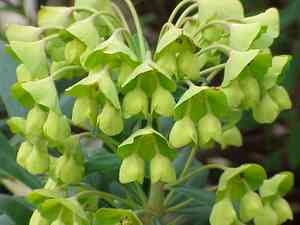
Euphorbia characias, a resilient, perennial evergreen, thrives in Mediterranean conditions. It can be propagated from cuttings, but caution is advised due to its irritating sap. Collect vigorous, non-blooming stem sections in late spring or early summer. These sections should measure approximately 4-6 inches and have their lower foliage removed. Permit the severed end to form a callus for several days prior to embedding in a free-draining substrate. Regular misting and warmth will stimulate root formation. Applying rooting hormone and maintaining elevated humidity with a plastic dome can improve success rates.
Optimal Period for Mediterranean Spurge Propagation
Propagation Method
Cutting
Propagation Period
Spring,Summer
Tools Required for Mediterranean Spurge Propagation
Sharp pruning shears or knife
Crucial for taking cuttings from mediterranean spurge, sharp instruments ensure clean cuts without crushing the plant's delicate tissues. This precision helps prevent damage and boosts the likelihood of successful rooting. Clean cuts are less prone to infection and promote better healing and growth.
Rooting hormone
This chemical compound stimulates root development in cutting applications. When applied to the freshly cut base of mediterranean spurge's stem, it enhances rooting success rates by encouraging quicker and more robust root formation, vital for new plant establishment.
Sterile potting mix
A well-draining and sterile medium is essential for mediterranean spurge propagation to prevent disease and provide adequate air and moisture for new roots. A mix designed for cacti or succulents works well, ensuring cuttings aren't waterlogged, which can lead to rot.
Propagation trays
Shallow trays with drainage holes offer an ideal environment for rooting mediterranean spurge cuttings. They accommodate multiple cuttings in one container, simplifying humidity and temperature management, which are critical for root formation.
Clear plastic bags or a humidity dome
These tools help maintain a high humidity environment around mediterranean spurge cuttings, crucial to prevent delicate cuttings from drying out before they can root. The controlled environment accelerates the rooting process and increases success rates.
How to Propagate Mediterranean Spurge?
Propagation Type
Moderately Difficult
How to Care for Your Newly Propagated Mediterranean Spurge?
How to Care for Your Newly Propagated Mediterranean Spurge?
Once roots are established, gradually introduce the young mediterranean spurge to its new surroundings by removing the humidity cover over a week. Repot into a slightly larger container if needed, using a similar well-draining potting mix. Position the mediterranean spurge in a location receiving partial to full sun, with protection from the harshest midday sun if possible. Water when the topsoil feels dry, being careful to avoid overwatering, as mediterranean spurge is drought tolerant. Avoid fertilizing in the first year to encourage strong root growth. Monitor for pests and diseases, treating as necessary, and prune to maintain shape and encourage bushiness.
Common Mistakes to Avoid When Propagating Mediterranean Spurge
Overwatering cuttings
Excessive watering can lead to root rot in mediterranean spurge cuttings, potentially killing the plant before roots can develop.
Deep planting
Planting cuttings too deeply can suffocate emerging roots and decrease the likelihood of successful propagation for mediterranean spurge.
Ignoring hygiene
Failing to sterilize cutting tools or pots can introduce pathogens, negatively impacting the health of mediterranean spurge cuttings and hindering propagation.
Incorrect cutting size
Taking cuttings that are too small or too large can be detrimental. Small cuttings may lack sufficient stored energy to survive, while large ones may struggle to absorb enough water.
Excessive handling
Handling mediterranean spurge cuttings too frequently can damage delicate forming roots and potentially introduce diseases.
Tips For Propagating Mediterranean Spurge
Cutting selection
Choose healthy, non-flowering stems for cuttings to ensure the best chance for successful root development in mediterranean spurge.
Soil preparation
Utilize a well-drained soil mix to prevent moisture-related issues and promote a healthier root system for mediterranean spurge.
Rooting hormone
Applying a rooting hormone can enhance root growth and improve the overall success rate of propagation for mediterranean spurge.
Humidity and warmth
Maintain a humid and warm environment to support mediterranean spurge cuttings during root formation without the need for excessive watering.
Indirect light
Place cuttings in indirect sunlight to prevent scorching and to provide the energy needed for root development in mediterranean spurge.



