How to Propagate Burning bush?
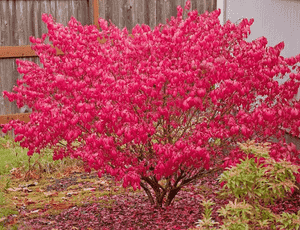
The optimal period for propagating Euonymus alatus is in the fall and winter seasons, utilizing methods such as cuttings and layering. This process presents a moderate challenge, with successful propagation evidenced by the emergence of new shoots. Always use clean, sharp instruments when preparing cuttings to avoid disease transmission.
Optimal Period for Burning Bush Propagation
Propagation Method
Cutting
Propagation Period
Autumn,Winter
Tools Required for Burning Bush Propagation
Sharp Pruning Shears
These are crucial for obtaining clean, precise cuts from burning bush. A sanitized, sharp blade minimizes harm to the parent plant and the cutting, promoting faster recovery and lowering the risk of disease. The shears should be able to make angled cuts to increase the rooting surface area, which is particularly beneficial for hardwood burning bush cuttings.
Rooting Hormone
A rooting hormone in powder or gel form aids in stimulating root development on burning bush cuttings. Applying the hormone to the cut end of the cutting before planting improves the likelihood of successful rooting by encouraging the formation of new root cells and can significantly boost the propagation success rate for burning bush.
Potting Mix
A well-draining, sterile potting mixture offers an ideal environment for burning bush cuttings to establish roots. The mix should retain moisture to keep the cutting hydrated but also allow excess water to drain to prevent rot. Specialized mixes containing perlite or vermiculite can be especially effective in maintaining the necessary balance.
Propagation Tray or Pots
Trays or pots hold the potting mix and burning bush cuttings. They must have adequate drainage holes to prevent waterlogging. Using individual pots can help reduce root disturbance when transplanting established burning bush.
Plastic Bags or Covers
Creating a humid microenvironment around burning bush cuttings is vital for preventing moisture loss while they lack a root system. Clear plastic bags or covers can be placed over propagation trays or pots to maintain high humidity, a key factor in the successful rooting of burning bush.
Heating Mat (Optional)
A heating mat can provide gentle warmth to the base of the propagation tray and is especially useful when propagating burning bush in cooler conditions. Warmth at the root zone can encourage quicker rooting and more consistent success.
Caring for Your Newly Propagated Burning Bush
Caring for Your Newly Propagated Burning Bush
Once a burning bush cutting has rooted, gradually introduce the plant to its permanent location by removing the plastic bag over a week. Water burning bush thoroughly, but allow the soil to dry slightly between waterings. Burning bush thrives in full sun to partial shade and benefits from mulching to retain moisture and suppress weeds. Apply light fertilizer during the growing season and protect young plants from extreme winter cold.
Common Errors to Avoid When Propagating Burning Bush
Overwatering cuttings
Keeping the soil too wet leads to root rot and fungal diseases, which can kill cuttings before root development.
Neglecting humidity
Cuttings rapidly lose moisture; without adequate humidity, they may dry out and fail to root.
Cutting size
Using cuttings that are either too large or too small can impede rooting. If too large, they may struggle to sustain themselves; if too small, they might lack sufficient energy for root growth.
Ignoring node location
Failing to include at least one node where leaves attach to the stem can result in cuttings that are unlikely to root, as roots often emerge from these nodes.
Planting depth
Planting cuttings too deep can cause stem rot; planting them too shallowly may prevent proper root development.
Advice for Propagating Burning Bush
Healthy parent plant
Utilize a robust parent burning bush for cuttings to ensure they have the best chance of rooting and growing.
Correct cuttings
Take semi-hardwood cuttings that are 4-6 inches long with several leaf nodes, and remove the lower leaves to expose the nodes.
Rooting hormone
Dip the cut end of the cutting into rooting hormone to stimulate root growth and enhance the likelihood of successful propagation.
Well-draining medium
Plant the cuttings in a well-draining propagation medium to prevent waterlogging and encourage root formation.
Light and warmth
Provide bright, indirect light and maintain a warm environment to foster growth without scorching the delicate cuttings.



