How to Propagate Tasmanian blue gum?
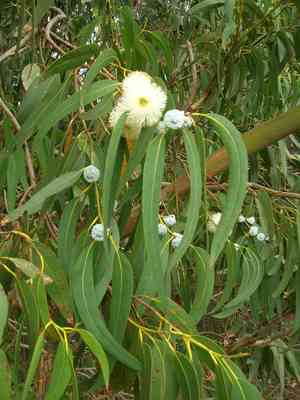
Originating from Tasmania, tasmanian blue gum is a rapidly developing evergreen recognized for its fragrant foliage and impressive stature. For growers interested in enlarging their assortment, propagation via cuttings is the suggested method. Utilizing semi-hardwood segments that have recently begun to ripen, aim for a length of approximately 4-6 inches to facilitate optimal root development. Make a cut directly beneath a leaf node, immerse in rooting compound for enhanced results, and place in adequately draining substrate. Consistent hydration and ample, diffused illumination will support the cuttings until they are well-rooted. Perseverance is crucial; despite its difficulty, cultivating tasmanian blue gum from cuttings can be gratifying for a dedicated horticulturist.
Optimal Time for Tasmanian Blue Gum Propagation
Propagation Method
Cutting
Propagation Period
Autumn,Winter
Tools for Tasmanian Blue Gum Propagation
Sharp pruning shears
These are crucial for making precise cuts when taking tasmanian blue gum cuttings. A clean cut prevents harm to the parent plant and boosts the chances of successful rooting in the cuttings.
Rooting hormone
This substance encourages root development from the cut ends of tasmanian blue gum cuttings. It increases the likelihood of successful rooting and establishment, which is vital for tasmanian blue gum due to its naturally slow rooting process.
Sterile potting mix
A sterile, well-draining potting mix is important for tasmanian blue gum cuttings to provide an ideal environment free from pathogens that could cause rot or disease in the newly forming roots.
Propagation trays
These trays are used to hold tasmanian blue gum cuttings in an organized manner while providing ample space for growth. They allow for easy monitoring and maintenance of moisture and humidity levels.
Heating mats
Given tasmanian blue gum's preference for warm rooting conditions, heating mats are beneficial. These mats help maintain an optimal temperature in the rooting medium, enhancing the rooting success rate.
Plastic covers
Transparent plastic covers over propagation trays create a greenhouse-like environment, maintaining high humidity and stable temperatures, both of which are advantageous for the rooting process of tasmanian blue gum.
How to Propagate Tasmanian Blue Gum?
Propagation Type
Moderately Difficult
Caring for Newly Propagated Tasmanian Blue Gum
Caring for Newly Propagated Tasmanian Blue Gum
After propagation, gradually introduce the young tasmanian blue gum to less humid conditions by removing the plastic bag for increasing durations. Water the plant to keep the soil consistently moist but not waterlogged. Provide it with a sunny location and protect from strong winds and frosts. As tasmanian blue gum grows, repot as needed and apply a balanced, slow-release fertilizer during the growing season to support healthy development.
Common Mistakes to Avoid When Propagating Tasmanian Blue Gum
Overwatering
Excessive water can lead to root rot, which is detrimental to tasmanian blue gum's health, as it prefers well-drained soil conditions.
Using an inappropriate cutting size
Taking cuttings that are either too small or too large can hinder root development and establishment of tasmanian blue gum because the proper balance of leaf surface to stem length is crucial for successful rooting.
Ignoring humidity requirements
Neglecting the importance of humidity can lead to desiccation and poor root formation in tasmanian blue gum, as moderate humidity helps to maintain necessary moisture levels without causing decay.
Planting cuttings too deeply
Inserting cuttings too deep in the medium may reduce oxygen availability and impede successful rooting of tasmanian blue gum, since roots need to be able to respire effectively.
Using unsterilized tools or medium
This can introduce pathogens, leading to disease and poor growth in tasmanian blue gum because cleanliness is vital to prevent contamination and ensure healthy propagation.
Tips For Propagating Tasmanian Blue Gum
Correct cutting selection
Select semi-hardwood cuttings of moderate size, which have proven to be effective for propagating tasmanian blue gum; this encourages optimal rooting and establishment.
Soil preparation
Prepare a well-draining soil mix with appropriate pH (slightly acidic to neutral) to match tasmanian blue gum's needs for healthy root development and growth.
Regulate watering
Water just enough to keep the soil moist but not soggy, as tasmanian blue gum requires consistent moisture without waterlogging to promote rooting.
Maintain humidity
Use a humidity dome or misting to maintain a moderate humidity level around tasmanian blue gum cuttings, balancing the need for moisture with the need to avoid fungal diseases.
Sterilize equipment
Always use sterilized cutting tools and containers to propagate tasmanian blue gum to prevent disease transmission and ensure successful growth of new plants.



