How to Propagate River red gum?
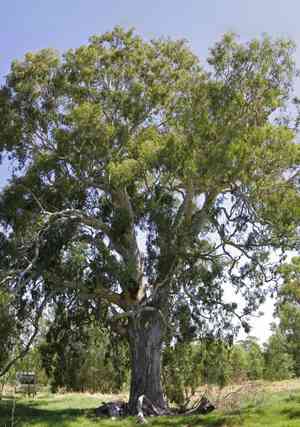
Eucalyptus camaldulensis, a rapidly developing hardwood, is frequently multiplied via cuttings to ensure superior genetic uniformity. For peak success, semi-hardwood cuttings, approximately the diameter of a pencil, sourced from a robust parent plant, significantly improve root development. Employ a rooting stimulant and sustain elevated humidity and warm substrate for ideal cutting integration. Steer clear of waterlogged environments, as Eucalyptus camaldulensis thrives in adequately drained earth. Wood that is semi-mature, typically from the present or preceding year's development, yields the most favorable outcomes. Consistent inspection for infestations and ailments during the rooting phase is recommended to guarantee robust and steady growth following propagation.
What Is the Best Time To Propagate River Red Gum?
Propagation Type
Cutting
Propagation Season
Autumn,Winter
What Tools Are Used in River Red Gum Propagation?
Sharp Pruning Shears
Crucial for making clean, precise cuts, sharp pruning shears ensure river red gum cuttings are taken with minimal tissue damage. This precision is vital for preventing infection and encouraging rapid rooting. Bypass shears are recommended for their smooth cuts that don't crush plant material.
Rooting Hormone
This chemical compound helps stimulate root development from river red gum cuttings. Applying rooting hormone to the cut stem ends significantly boosts the chances of successful root formation, which is essential for cuttings to establish and thrive. Both powder and liquid forms work, but powder is preferred for ease of use and longer shelf life.
Sterile Potting Mix
A sterile potting mix offers a clean, controlled environment for river red gum cuttings to root. This mix prevents the growth of harmful pathogens that could damage the cutting before roots form. The mix should be light and well-draining to provide optimal moisture balance, supporting root growth without causing rot.
Propagation Tray with Dome
These trays help maintain the necessary humidity and temperature for encouraging river red gum cuttings to root. The dome retains moisture and warmth, creating a mini-greenhouse effect ideal for root development. Ventilation features in the dome are especially useful for regulating airflow and reducing the risk of fungal infections.
Heating Mat
Since river red gum benefits from warmer rooting temperatures, a heating mat can be placed under the propagation tray to maintain a consistent, suitable temperature. This promotes faster root growth and is particularly helpful in cooler climates or during colder seasons when ambient temperatures are not ideal for propagation.
How to Propagate River Red Gum?
Propagation Type
Moderately Difficult
How to Care for Your Newly Propagated River Red Gum?
How to Care for Your Newly Propagated River Red Gum?
Once river red gum has established roots and shows active growth, gradually introduce it to outdoor conditions if it's not already outside. Plant it in a location receiving full sun to partial shade, and water deeply but infrequently to encourage deep root growth. As river red gum tolerates poor soils, it generally needs minimal fertilization. However, a slow-release fertilizer for native plants can support its growth during the first year. Prune the young river red gum to maintain its shape and remove dead or diseased branches. Monitor for pests and diseases, treating them promptly if they appear.
Common Mistakes to Avoid When Propagating River Red Gum
Overwatering
Excessive watering after planting can lead to root rot and fungal diseases, compromising river red gum's health.
Ignoring Soil Conditions
River red gum needs well-draining soil; neglecting this can cause waterlogging and negatively impact root development.
Neglecting Humidity Levels
River red gum may struggle to root if ambient humidity is insufficient, potentially drying out cuttings or seedlings.
Planting Cuttings Too Deep
Cuttings of river red gum planted too deeply may suffer from oxygen deprivation and fail to root properly.
Utilizing Diseased Plant Material
Using infected cuttings or seeds can result in poor germination and spread diseases to new plants.
Forgetting to Harden Off
Transplanting river red gum without proper acclimation can shock the plant, leading to stunted growth or death.
Tips For Propagating River Red Gum
Correct Soil Preparation
Ensure well-draining soil mixed with sand or perlite to support healthy root growth for river red gum.
Optimal Cutting Selection
Choose healthy, semi-hardwood cuttings from river red gum that are free of pests and diseases.
Proper Cutting Placement
Insert cuttings shallowly to enable sufficient oxygen supply and promote root emergence.
Maintain Adequate Humidity
Keep river red gum cuttings in a moderately humid environment to prevent drying out without inducing rot.
Timely Watering
Water river red gum's cuttings or seedlings just enough to keep the soil moist, avoiding excess that leads to waterlogging.
Careful Hardening Off
Gradually acclimate river red gum to outdoor conditions over several days to strengthen its tolerance to sunlight and temperature fluctuations.



