How to Propagate Rattlesnake master?
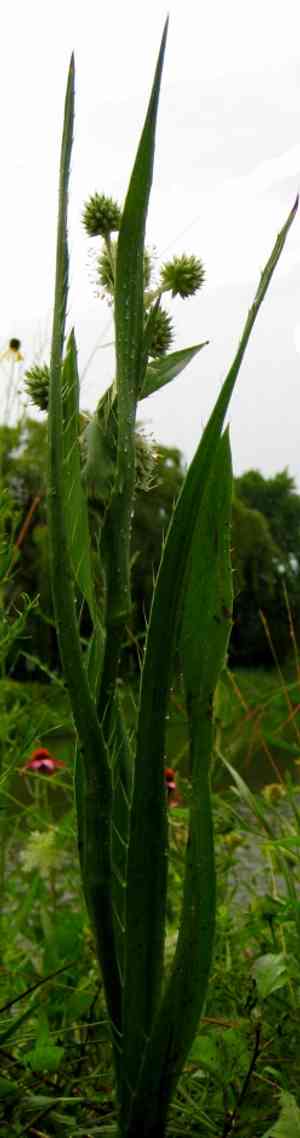
The most suitable period for propagating rattlesnake master is in the Spring, utilizing seeding techniques. This plant is quite straightforward to propagate, and successful germination is evident when sprouts emerge. Consistent irrigation and a growing medium that drains effectively are crucial for achieving the best outcomes.
Optimal Period for Rattlesnake Master Propagation
Propagation Method
Seeding
Propagation Season
Spring
Tools for Rattlesnake Master Propagation
Seed Trays
Seed trays offer an organized and efficient way to plant multiple rattlesnake master seeds. They ensure proper spacing, reducing competition and supporting adequate growth after germination.
Potting Mix
A well-draining potting mix assists in planting rattlesnake master by providing a good balance of moisture retention and drainage. It promotes healthy root development, essential for successful seedling establishment.
Vermiculite or Perlite
Adding vermiculite or perlite to the potting mix improves aeration and drainage, vital for preventing root rot and fungal diseases that could negatively impact rattlesnake master's germination and growth.
Watering Can with a Fine Rose
A watering can equipped with a fine rose attachment delivers a gentle spray that moistens the potting mix without dislodging small rattlesnake master seeds, encouraging uniform germination and preventing soil erosion in the seed tray.
Clear Plastic Dome or Wrap
A clear plastic dome or wrap creates a mini-greenhouse environment over the seed tray, maintaining high humidity and stable temperatures, both beneficial for rattlesnake master's germination.
Labels and Marker
Labels and a waterproof marker are used to identify planted rattlesnake master seeds, noting the sowing date and other relevant care information to ensure accurate monitoring and maintenance during germination and growth periods.
Heat Mat (optional)
A heat mat is especially useful if propagating rattlesnake master in cooler climates or seasons, as it provides consistent bottom warmth that can encourage faster and more even germination.
Steps to Propagate Rattlesnake Master
Propagation Type
Sowing
Difficulty Level
Easy
Caring for Newly Propagated Rattlesnake Master
Caring for Newly Propagated Rattlesnake Master
Post-propagation, rattlesnake master needs full sun and well-draining soil. It is drought-tolerant and should be watered sparingly, allowing the soil to dry slightly between waterings. Fertilization is generally not required. Rattlesnake master is robust and adaptable but thrives best with minimal intervention, making it a relatively low-maintenance plant suitable for xeriscaping or naturalizing in appropriate climates and habitats.
Common Errors to Avoid When Propagating Rattlesnake Master
Overwatering
During the establishment of rattlesnake master from seed or transplants, overwatering is a common mistake, leading to root rot and fungal diseases. These conditions are harmful to rattlesnake master's health, as it is adapted to well-draining soil and can suffer in excessively moist conditions.
Planting depth
Sowing rattlesnake master's seeds too deeply or planting root divisions too deep can hinder proper germination and growth. Rattlesnake master requires light for germination, and placing seeds or roots too low in the soil can impede or entirely prevent the plant from emerging.
Soil selection
Using the wrong soil type can impede rattlesnake master's development. Gardeners might use a rich, nutrient-dense potting mix, whereas rattlesnake master thrives in poor, rocky, or sandy soil. Incorrect soil can lead to weak growth and a lack of flowering.
Ignoring stratification
Skipping cold stratification for seeds can result in poor germination rates. Rattlesnake master's seeds typically require a period of cold to break dormancy and to signal the right time for germination.
Tips For Propagating Rattlesnake Master
Seed stratification
Before sowing, replicate rattlesnake master's natural conditions by cold stratifying the seeds. This simulates winter and helps break seed dormancy, increasing the chances of successful germination.
Correct sowing depth
Plant rattlesnake master's seeds on the soil surface or lightly cover with a thin layer of soil, as they require light for germination. Maintaining proper sowing depth is crucial for successful propagation.
Drainage provision
Ensure good drainage in the planting medium when propagating rattlesnake master. Using a mix that mimics rattlesnake master's natural habitat, such as a blend of sand and soil, can improve root development and overall plant health.
Moderate watering
Water rattlesnake master's seeds or transplants with care, aiming to keep the soil moist but not waterlogged. Monitoring and adjusting water levels according to weather conditions can prevent overwatering, a common mistake.



