How to Propagate Common Woolly Sunflower?
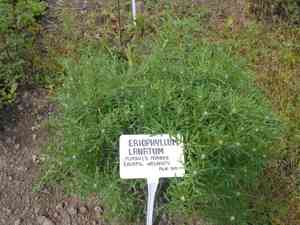
Eriophyllum lanatum flourishes when reproduced by seeding. To achieve successful sprouting, guarantee the use of a porous growing medium and sustain sufficient dampness without oversaturating. Plant seeds superficially, as they need some illumination for efficient germination. A thin layer of substrate can be applied to shield the seeds while still permitting light to reach them. Regular yet moderate irrigation will foster strong root growth.
Optimal Time for Propagating Common Woolly Sunflower?
Propagation Type
Sowing
Propagation Season
Spring
Tools for Common Woolly Sunflower Propagation?
Seed trays
Seed trays are vital for initiating common Woolly Sunflower from seeds. These containers enable uniform distribution and organization of soil and seeds, promoting consistent growth. Their compact size allows for numerous seedlings in a small area, especially beneficial during the delicate early stages of common Woolly Sunflower's development.
Fine potting mix
A fine potting mix is essential to supply common Woolly Sunflower with the necessary nutrients and drainage for successful growth from seed. This medium should be light and airy to facilitate easy root development and water runoff, minimizing the risk of root rot, which can be fatal for young common Woolly Sunflower plants.
Misting bottle
A misting bottle aids in gently watering common Woolly Sunflower seedlings without dislodging seeds or eroding the soil. This tool is particularly useful for maintaining consistent soil moisture, crucial for common Woolly Sunflower's germination and initial growth phases.
Grow lights (if indoors)
Grow lights are advantageous when propagating common Woolly Sunflower indoors or in low-light environments. They offer a controlled light source adjustable to the needs of growing common Woolly Sunflower seedlings, ensuring sufficient light for healthy development.
Temperature control system
Maintaining an ideal temperature is critical for successful common Woolly Sunflower germination. A temperature control system, such as a heat mat or a thermostat-regulated greenhouse, ensures the environment stays within the optimal temperature range, significantly boosting germination rates and seedling health.
How to Propagate Common Woolly Sunflower?
Propagation Type
Easy
Caring for Newly Propagated Common Woolly Sunflower?
How to Care for Your Newly Propagated Common Woolly Sunflower?
After propagating common Woolly Sunflower, position plants in a sunny to partially shaded spot. Continue using well-draining soil and water moderately, allowing the soil to dry slightly between waterings to prevent root rot. As common Woolly Sunflower is drought-tolerant once established, reduce watering frequency. Minimal fertilization is needed; a light application of a balanced, slow-release fertilizer in early spring can suffice. Monitor for pests and diseases, though common Woolly Sunflower is generally quite resilient.
Common Mistakes to Avoid When Propagating Common Woolly Sunflower
Overwatering
Excessive water can lead to root rot and fungal issues in common Woolly Sunflower, which thrive in well-drained soils. Too much moisture hinders proper root development and overall plant health.
Deep planting
Planting common Woolly Sunflower too deeply can impede root and shoot growth. Roots may struggle to establish, diminishing the plant's overall vigor and ability to flourish.
Ignoring soil composition
Using an unsuitable soil mix can result in poor root health and weak growth. Common Woolly Sunflower requires well-draining soil to prevent waterlogging and ensure robust development.
Neglecting light requirements
Placing common Woolly Sunflower in an overly shaded area can hinder its growth, as it thrives in full sun. Insufficient light impacts photosynthesis and can lead to leggy plants.
Tips For Propagating Common Woolly Sunflower
Soil preparation
Utilize a well-draining soil mix, typically one part potting soil to one part coarse sand or perlite. This emulates common Woolly Sunflower's natural growing conditions and encourages healthy root development.
Rooting hormone
Applying a rooting hormone to common Woolly Sunflower cuttings can significantly improve rooting success. This product stimulates root growth and helps cuttings establish more reliably.
Proper cutting length
When taking cuttings, ensure they are approximately 4-6 inches long and cut just below a node. This length is ideal for facilitating sufficient root development without over-stressing the cutting's resources.
Adequate sunlight
Ensure common Woolly Sunflower is situated in a location that receives full sun to promote strong and healthy growth. Sufficient sunlight is crucial for optimal development and flowering.



