How to Propagate Aspen Fleabane?
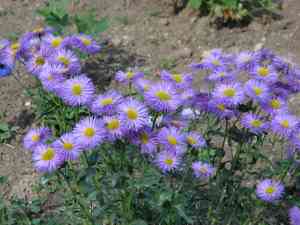
Aspen Fleabane is most effectively multiplied in spring by planting seeds. This procedure can be straightforward with proper attention. Evidence of successful propagation includes fresh shoots and robust root formation. Ensure the growing medium remains damp for the best outcomes.
Optimal Time for Aspen Fleabane Propagation
Propagation Method
Seeding
Propagation Period
Spring
Tools for Aspen Fleabane Propagation
Seed trays or flats
Seed trays offer an organized method for uniformly sowing aspen Fleabane's tiny seeds, providing a dedicated space for germination. Their shallow design and drainage holes aid in managing moisture levels, which is vital since aspen Fleabane seeds need well-drained soil to prevent decay. These trays help secure seeds, promoting healthy root development and simplifying seedling health monitoring.
Fine vermiculite or seed-starting mix
Fine vermiculite serves as a top-layer medium for aspen Fleabane seeds. It possesses excellent water retention and aeration qualities, helping to maintain the delicate moisture balance essential for successful aspen Fleabane seed germination. Alternatively, a premium, light, and debris-free seed-starting mix can offer an ideal initial environment for aspen Fleabane seeds and young roots, fostering robust seedling growth.
Misting bottle or spray
A misting bottle enables gentle watering of aspen Fleabane seeds without dislodging them or causing soil erosion that could displace the small seeds. Regular, light misting helps maintain the necessary humidity around aspen Fleabane seeds for proper germination, while minimizing the risk of excessive watering.
Clear plastic dome or wrap
A clear plastic dome or wrap creates a miniature greenhouse effect over seed trays, helping to maintain consistent moisture and temperature conditions vital for aspen Fleabane seed germination. It also prevents the soil from drying out too quickly and safeguards the seeds from pests.
Heating mat
A heating mat provides warmth from below, which can promote more uniform and rapid germination of aspen Fleabane seeds. Heat is especially beneficial if the ambient temperature is lower than the ideal germination temperature for aspen Fleabane.
Grow lights or natural light source
Post-germination, aspen Fleabane seedlings require sufficient light for healthy development. Grow lights provide a controllable light source, adjustable for intensity and duration, perfectly suited to support aspen Fleabane seedlings when natural light is inadequate or inconsistent. Proper illumination is crucial for preventing weak, leggy growth and for developing strong stems and foliage.
Dibber or small tool for transplanting
As aspen Fleabane seedlings mature and require more space or transplanting, a dibber (or a similar small implement) is used to gently lift and separate individual plants without harming their delicate roots. A dibber is advantageous for transplanting seedlings into larger containers or into the garden with minimal disruption to other plants or their own root systems.
Protective gloves
When handling aspen Fleabane, protective gloves shield the gardener's hands from soil pathogens and minor injuries. They also protect the fragile seedlings from any oils or contaminants that might be on the hands, ensuring a healthy propagation process.
How to Propagate Aspen Fleabane
Propagation Method
Seeding
Difficulty Level
Simple
Caring for Newly Propagated Aspen Fleabane
Caring for Newly Propagated Aspen Fleabane
Aspen Fleabane thrives in sunny locations with well-drained, moderately fertile soil. Once seedlings are established, move them to their permanent garden spot. Space plants approximately 12-18 inches apart to allow for adequate growth. Water consistently but avoid overwatering, as aspen Fleabane is drought-tolerant once mature. Mulching can help retain moisture and suppress weeds. Remove spent flowers to encourage continuous blooming. Divide crowded clumps every 2-3 years in spring or autumn to maintain plant vigor.
Common Errors to Avoid When Propagating Aspen Fleabane
Overwatering
Excessive watering during aspen Fleabane propagation can be harmful, potentially leading to root rot, which severely impacts the young plant's survival chances.
Deep planting
Planting aspen Fleabane cuttings or seeds too deeply can impede proper germination and growth, as they need the correct balance of light exposure and soil contact.
Neglecting humidity
Ignoring the humidity requirements of aspen Fleabane during propagation can result in the drying out of cuttings or seedlings, thereby affecting rooting and development.
Tips For Propagating Aspen Fleabane
Well-draining soil
Utilizing a well-draining soil mix for aspen Fleabane is crucial to prevent water accumulation, which could lead to root rot.
Cuttings selection
Choosing healthy, disease-free cuttings from mature aspen Fleabane plants ensures a higher success rate, as these are more likely to root and flourish.
Keeping soil moist
Maintaining consistent soil moisture without overwatering is vital for successful aspen Fleabane propagation, as it promotes rooting without jeopardizing plant health.



