How to Propagate Centipedegrass?
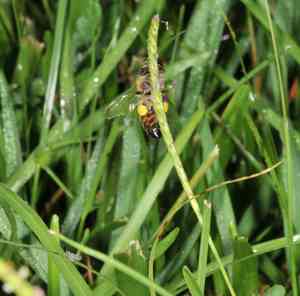
Centipedegrass, a warm-weather turf variety characterized by its spreading growth, flourishes in temperate environments. It is frequently propagated via division, an effective technique for enlarging your lawn or mending sparse areas. The process of dividing centipedegrass entails separating segments of its runnersâstolonsâthat possess developed root systems, which are then suitable for replanting to initiate new growth zones. This technique guarantees genetic uniformity and generally assures rapid establishment. It is crucial to ensure sufficient soil hydration and to handle the roots delicately to foster successful propagation.
Optimal Period for Centipedegrass Propagation
Propagation Method
Division
Propagation Period
Spring,Autumn
Tools Utilized in Centipedegrass Propagation
Garden Spade
A garden spade is vital for separating the root system of centipedegrass. It enables the propagator to dig around and under the plant, minimizing root damage. Its sharp, flat blade efficiently cuts through soil, crucial for clean root section separation without tearing. This ensures each division has a healthy root system, essential for successful replanting and quick establishment.
Root Pruning Shears
These shears are employed for effective root pruning of centipedegrass. During division, trimming roots is important to stimulate new growth and prevent overly large divisions, which can hinder rapid establishment. Root pruning shears should be sharp and clean for precise cuts, reducing disease transmission risk between plants.
Transplanting Trowel
A transplanting trowel is used to excavate planting holes for new centipedegrass divisions. Its narrow blade is perfect for creating appropriately sized holes without disturbing nearby plants or roots. This tool aids in positioning divisions at the correct depth, which is crucial for optimal growth.
Watering Can with a Fine Rose
After centipedegrass propagation, ensuring adequate watering for the divisions is necessary. A watering can with a fine rose gently and evenly distributes water, preventing forceful flow that might dislodge newly planted divisions. Proper hydration is essential for the plant's recovery and re-establishment in its new location.
How to Propagate Centipedegrass?
Propagation Type
Easy
Post-Propagation Care for Centipedegrass
Post-Propagation Care for Centipedegrass
Following propagation, ensure centipedegrass remains consistently moist, especially during its initial establishment. Avoid excessive watering to prevent root rot. Centipedegrass thrives in full sun but tolerates partial shade, and maintaining soil fertility with regular balanced fertilizer applications is important. Mow at a higher setting as centipedegrass benefits from longer blade length. Regular pest and disease monitoring will help maintain the health of your newly propagated centipedegrass.
Common Errors to Avoid When Propagating Centipedegrass
Overwatering
Watering centipedegrass too often can lead to root rot, as it prefers drier conditions. This excess moisture hinders root development and reduces the plant's overall vigor.
Deep planting
When propagating centipedegrass from plugs or sprigs, planting them too deeply can impede establishment. It can suffocate roots and limit oxygen intake, stunting growth.
Ignoring soil pH
Failure to adjust soil to a slightly acidic pH can affect nutrient absorption in centipedegrass, resulting in poor growth and coloration.
Compacted soil
Using overly dense soil can restrict centipedegrass root growth, limiting its ability to spread and properly establish.
Advice for Propagating Centipedegrass
Soil preparation
Before planting centipedegrass, ensure the soil is lightly tilled and weed-free. This aids root penetration and more efficient establishment.
Proper planting depth
Plant centipedegrass plugs or sprigs at a depth where roots are lightly covered but not smothered. This optimizes root exposure to soil nutrients and moisture.
Regular aeration
Aerating the centipedegrass planting area can enhance oxygen flow to roots and promote healthier growth.
Water management
Provide centipedegrass with moderate watering immediately after planting to encourage root development, then reduce frequency to prevent overwatering.



