How to Propagate Purple lovegrass?
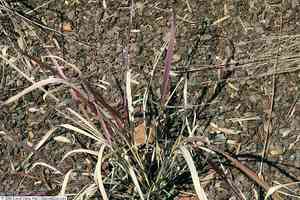
Purple lovegrass is generally multiplied by dividing its clumps, with the best times being spring or fall. This propagation method is relatively straightforward, and successful multiplication is indicated by fresh shoots appearing from the separated sections. Sufficient hydration and soil that drains effectively are essential for robust development.
When Is the Optimal Period to Propagate Purple Lovegrass?
Propagation Type
Division
Propagation Season
Spring, Autumn
What Equipment Is Utilized for Purple Lovegrass Propagation?
Sharp pruning shears or knives
These implements are vital for cleanly separating root masses or dividing the base of purple lovegrass without harming existing roots. They facilitate precise cuts, reducing infection risk and promoting rapid recovery.
Gardening gloves
Wearing hand protection is important to shield hands from any sharp plant parts or tools. Gloves also offer improved grip when separating purple lovegrass root clumps, minimizing the chance of accidental injury.
Spade or garden fork
These digging instruments are employed to carefully lift the entire purple lovegrass clump from the ground. A spade or fork with sharp tines is especially advantageous as it can easily penetrate the soil without causing undue stress to the plant's root system.
Potting mix
A premium, well-draining potting medium is essential for the successful re-establishment of divided purple lovegrass. The mix should supply sufficient nutrients and support root development while preventing waterlogging, which can lead to rot.
Plant pots or containers
Following division, sections of purple lovegrass will need to be transplanted into individual pots or containers. These should feature drainage holes and be appropriately sized to accommodate the roots without excessive crowding.
Watering can with a gentle spout
A watering can equipped with a gentle spout ensures that newly divided purple lovegrass receive even watering without disturbing the soil or causing erosion around the plant base, which is crucial for initial root development.
How to Propagate Purple Lovegrass?
Propagation Type
Division
Difficulty Level
Easy
How to Nurture Your Newly Propagated Purple Lovegrass?
How to Nurture Your Newly Propagated Purple Lovegrass?
After propagation, continue to supply purple lovegrass with consistent moisture, particularly during the initial growing season, to aid in plant establishment. Purple lovegrass prefers full sun and well-drained soil; however, it tolerates poor soils and arid conditions once mature. Fertilization is generally not required, but an annual compost application can encourage more robust growth. Remove spent flowers if desired, but allowing them to go to seed can promote natural reseeding for the subsequent season. Trim back the foliage in late winter before new growth commences to maintain plant tidiness.
Common Errors to Avoid When Propagating Purple Lovegrass
Overwatering
Excessive watering can result in root rot and fungal diseases. As purple lovegrass is drought-tolerant, too much moisture can harm its root system, impeding growth and propagation efforts.
Planting depth
Planting purple lovegrass seeds or clones too deeply can hinder germination or impede root development. It's vital to position them at the correct depth to ensure proper growth.
Ignoring local pests and diseases
Neglecting to consider prevalent pests and diseases in the area can lead to propagation failure. Infestations or infections can compromise the health and spread of purple lovegrass.
Soil compaction
Compressed soil restricts the root growth of purple lovegrass. This plant requires loose, well-draining soil to flourish and propagate effectively.
Advice For Propagating Purple Lovegrass
Root division
Carefully separating the root clumps of purple lovegrass during the growing season can be an effective propagation method. This optimizes plant health and encourages successful propagation.
Soil ph
Maintain a slightly acidic to neutral soil pH to support the root structure and overall health of purple lovegrass, which assists in its propagation.
Adequate spacing
Providing purple lovegrass plants with sufficient space allows for proper air circulation and prevents overcrowding. This reduces disease risk and promotes stronger growth.
Seed treatment
Gently scarify purple lovegrass seeds to enhance water absorption and germination rates. This aids in achieving successful propagation from seed.



