How to Propagate Dwarf horsetail?
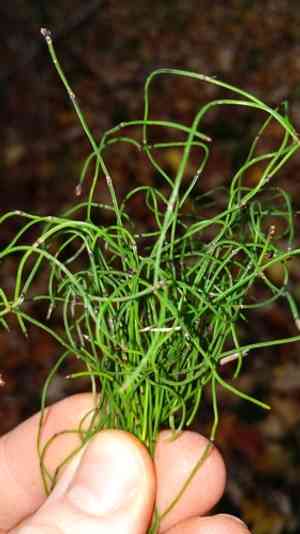
Equisetum scirpoides flourishes when multiplied via stem sections. Prompt placement of these sections in a damp, adequately draining substrate encourages robust root formation. Maintaining a high-humidity atmosphere aids in fostering the emergence of new growth. Steady hydration is vital, but saturated conditions should be prevented to avert decay. To ensure success, shield the nascent plants from direct solar exposure until they are well-established.
What Is the Best Time To Propagate Dwarf Horsetail?
Propagation Type
Cutting
Propagation Season
Spring,Summer
What Tools Are Used in Dwarf Horsetail Propagation?
Sharp pruning shears
These are vital for making clean cuts on dwarf horsetail stems. A precise cut helps prevent disease and damage, encouraging better rooting and growth during propagation. Sharp shears ensure the cut is accurate and doesn't crush the plant's delicate tissues, which is crucial for the health and viability of cuttings.
Rooting hormone powder or gel
Applying a rooting hormone to the fresh cuts of dwarf horsetail stems greatly improves root development. This product stimulates root growth at the cut site, increasing the chances of successful propagation. The hormone is especially helpful for dwarf horsetail, promoting stronger and faster rooting in a species that might otherwise take longer to establish.
Sterile potting mix
A sterile potting mix offers a clean, disease-free environment for dwarf horsetail cuttings. This medium supports proper moisture retention and air circulation, both essential for new root formation. For dwarf horsetail, a mix that slightly imitates its natural growing conditionsâmoist but well-drainingâcan boost the chances of successful rooting.
Plastic pots or trays
These containers hold the sterile potting mix and cuttings. They should have adequate drainage to prevent waterlogging, which is harmful to dwarf horsetail's root development. Using trays can also be an efficient way to manage multiple cuttings at once, helping maintain consistent conditions among all new plants.
Clear plastic bags or a humidity dome
Maintaining high humidity around dwarf horsetail cuttings is vital for preventing moisture loss through the leaves while new roots are forming. A humidity dome or a clear plastic bag gently placed over the cuttings can create a mini greenhouse effect, preserving the necessary humidity and warmth to encourage growth.
How to Propagate Dwarf Horsetail?
Propagation Type
Easy
How to Care for Your Newly Propagated Dwarf Horsetail?
How to Care for Your Newly Propagated Dwarf Horsetail?
Dwarf horsetail thrives in damp conditions and partial shade. After propagation, ensure the soil stays consistently moist but not waterlogged. Dwarf horsetail doesn't need frequent fertilizing; a light feeding once a year with a balanced fertilizer is enough. As it's a spreading plant, monitor its growth and consider dividing or pruning if it becomes too invasive in your space.
Common Mistakes to Avoid When Propagating Dwarf Horsetail
Overwatering
Excessive watering can cause root rot in dwarf horsetail, as its roots need a balance of moisture and air. Overwatering saturates the soil, removing air pockets and leading to decay of the root system.
Using poor draining soil
Choosing a soil medium that doesn't allow good drainage can harm dwarf horsetail because this species thrives in wet but not waterlogged conditions. Poor drainage can lead to similar problems as overwatering.
Neglecting humidity requirements
Ignoring the need for high humidity can cause dwarf horsetail to dry out, especially when propagating from spores. Dwarf horsetail naturally grows in moist environments, so low humidity levels can hinder germination and growth.
Excessive sunlight exposure
Dwarf horsetail is adapted to grow in shaded or partially shaded environments. Providing too much direct sunlight can scorch its delicate fronds, impairing growth and possibly leading to plant death.
Tips For Propagating Dwarf Horsetail
Use of spores for propagation
Collecting and sowing spores in a controlled environment aids in the effective propagation of dwarf horsetail. Ensure the substrate is moist and keep the environment humid until germination occurs.
Appropriate soil selection
Opt for a soil mix that mimics dwarf horsetail's natural growing conditionsâloose, rich in organic matter, and well-draining. This will support healthy root development and prevent waterlogging.
Maintaining high humidity
Keep the propagation area humid, using misters or humidity trays. This is crucial for dwarf horsetail, especially during the vulnerable stages of spore germination and early growth.
Providing indirect light
Place dwarf horsetail in an area where it can receive indirect sunlight or filtered light. This mirrors the natural light conditions of its habitat and promotes healthy growth without the risk of sunburn.



