How to Propagate Rough horsetail?
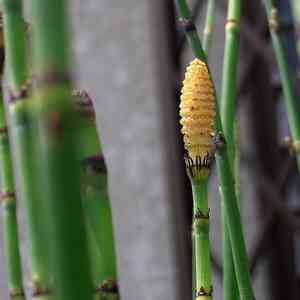
The principal method for multiplying rough horsetail involves separating the plant during the optimal periods of spring and fall. While propagation can present some difficulty, the emergence of new sprouts signifies successful establishment. Sufficient hydration and a stable temperature are essential for achieving higher rates of success.
Optimal Time for Rough Horsetail Propagation
Propagation Method
Splitting
Propagation Period
Spring, Autumn
Tools for Rough Horsetail Propagation
Sharp Garden Knife or Blade
This instrument is crucial for cleanly separating the rhizomes of rough horsetail. A sharp edge minimizes damage and creates smooth cuts, enhancing the likelihood of successful propagation by reducing infection risk at the cut site.
Garden Spade or Fork
These are utilized to gently excavate rough horsetail rhizomes while minimizing root damage. A spade or fork with a sharp edge helps to cut through the soil and cleanly lift the plant material without causing undue stress or breakage to the rhizomes.
Pruning Shears
Handheld pruning shears are employed for trimming away any dead or superfluous foliage from rough horsetail prior to the division process. Clean cuts aid in preventing disease and allow the plant to direct its energy towards establishing new growth after planting.
Rooting Hormone
While not always essential, applying a rooting hormone can stimulate faster root development for rough horsetail. This is particularly beneficial if the rhizomes are slow to establish or if conditions are suboptimal for root growth.
Pots with Well-Draining Soil
Following division, the rhizomes of rough horsetail should be replanted in containers filled with a well-draining soil mixture. Proper drainage is vital for rough horsetail to prevent waterlogged conditions, which can lead to rot and other fungal issues.
Watering Can or Hose with a Gentle Spray Setting
Consistent moisture is necessary for the newly planted rhizomes of rough horsetail to establish. A watering can or hose with a gentle spray setting ensures that water is delivered in a way that doesn't disturb the soil or rhizomes while maintaining a uniformly moist environment.
How to Propagate Rough Horsetail
Propagation Method
Splitting
Difficulty Level
Easy
Caring for Newly Propagated Rough Horsetail
Caring for Newly Propagated Rough Horsetail
Post-propagation, keep the soil where rough horsetail is planted consistently moist but not saturated. Rough horsetail thrives in both partial and full shade conditions and prefers cooler environments. Monitor for any signs of stress or disease and address them promptly. As rough horsetail can spread rapidly and become invasive, ensure to manage its growth by containing it through physical barriers or by cultivating it in pots if necessary.
Common Errors to Avoid When Propagating Rough Horsetail
Overwatering
While rough horsetail enjoys moist environments, excessive watering can lead to root rot. This surplus moisture can deprive the roots of oxygen, causing the plant's health to decline.
Insufficient light
Rough horsetail requires bright, indirect sunlight or dappled shade. Not providing enough light can result in weak growth and poor establishment of new plants.
Overuse of fertilizer
Rough horsetail does not require extensive fertilization, and over-fertilizing can lead to foliage burn and disrupt the plant's natural growth cycle.
Incorrect soil mix
Using a soil mix that does not drain well or retain sufficient moisture can be detrimental to rough horsetail. A balance is needed to mimic the plant's natural habitat.
Harvesting too much material for propagation
Taking too many cuttings or divisions from the parent rough horsetail plant can stress and potentially harm the donor plant's health.
Tips For Propagating Rough Horsetail
Adequate moisture
Maintain consistent moisture levels in the soil without creating waterlogged conditions to promote healthy root development in rough horsetail.
Proper division
Propagate rough horsetail by division during the plant's dormant phase, carefully separating the rhizomes to ensure each division has adequate roots to establish.
Indirect light
Place the divisions or cuttings of rough horsetail in a location with bright, indirect light or dappled shade to encourage growth without the risk of scorching the foliage.
Soil preparation
Prepare a mix of sand and peat or use garden soil that mimics rough horsetail's natural environment, which should be well-draining yet capable of retaining necessary moisture.
Pest control
Monitor for pests such as aphids, which can affect the health of rough horsetail. Tend to any infestations promptly with appropriate measures to safeguard the propagation process.



