How to Propagate Flame violet?
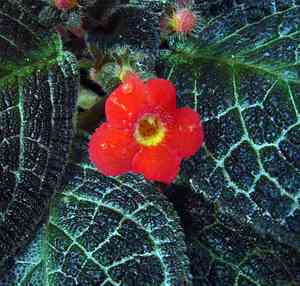
Episcia cupreata multiplies most effectively via stem sections in the spring and summer seasons. This propagation method is relatively straightforward, with indicators of success including fresh shoots and established roots on the cuttings. Provide adequate moisture and warmth to achieve optimal outcomes.
Optimal Time for Flame Violet Propagation
Propagation Method
Cutting
Propagation Period
Spring, Summer
Tools Required for Flame Violet Propagation
Sharp pruning shears or scissors
These are crucial for making clean cuts from the parent flame violet, minimizing tissue damage. A precise cut promotes better rooting by reducing infection risk and allowing the cutting to focus energy on root development.
Rooting hormone
This aids in stimulating root growth on flame violet cuttings. Applying rooting hormone to the cut end of the stem can significantly improve the success rate of root formation and establishment.
Sterile potting mix or propagation medium
A sterile mix is vital to prevent diseases and pests that could harm delicate flame violet cuttings. The medium should drain well yet retain enough moisture for root growth without becoming waterlogged, which can cause rot.
Small pots or propagation trays
These containers offer a suitable environment for rooting flame violet cuttings. Their size should accommodate the roots without being too large, which could retain excessive moisture around developing roots.
Plastic bags or humidity domes
Maintaining high humidity around flame violet cuttings is essential to prevent leaves from drying out before roots form. These tools create a mini-greenhouse effect, keeping humidity high and aiding propagation success.
Heating mat (optional)
Used to provide bottom heat, which can accelerate root development in flame violet cuttings. This is especially beneficial in cooler conditions where ambient temperature might not be ideal for root growth.
Steps to Propagate Flame Violet
Propagation Method
Cutting
Difficulty Level
Easy
Post-Propagation Care for Your New Flame Violet
Post-Propagation Care for Your New Flame Violet
Caring for flame violet after propagation involves providing appropriate environmental conditions and routine upkeep. Ensure the plant receives bright, indirect light, as direct sun can scorch leaves. Maintain high humidity, ideally above 60%, through regular misting or a humidifier. Keep the soil moist but not waterlogged, as flame violet dislikes soggy conditions. Fertilize flame violet every 4-6 weeks with a balanced, water-soluble fertilizer at half strength during the growing season. Prune flame violet regularly to encourage bushy growth and remove any dead or yellowing leaves to maintain plant health.
Common Errors to Avoid When Propagating Flame Violet
Overwatering
Excessive watering of flame violet can lead to root rot, as this plant prefers well-draining soil and moderate moisture. Soggy conditions can cause roots to suffocate and decay, hindering the plant's ability to absorb nutrients and grow.
Insufficient light
Flame violet is a light-loving plant that requires bright, indirect sunlight to thrive. Inadequate light can result in leggy growth and poor leaf coloration, impacting the plant's overall vigor and beauty.
Excessive handling
Frequent handling or touching of flame violet's delicate stems and leaves during propagation can cause physical damage, increasing the risk of infections or impeding rooting and growth.
Incorrect soil mix
Using a soil mix that lacks the proper balance of aeration and moisture retention can hinder flame violet's rooting. A mix that is too dense can retain excess water, while one that's too light may dry out too quickly.
Advice for Propagating Flame Violet
Stem cuttings
Select healthy stem cuttings with at least two leaves and ensure they are cut cleanly using a sterilized tool. This increases the chance of successful rooting as they will have sufficient energy to establish themselves.
Proper humidity
Maintaining a high humidity environment helps flame violet cuttings establish roots. This can be achieved by covering the cuttings with a clear plastic bag or placing them in a propagation chamber.
Adequate warmth
Ensuring a warm environment for flame violet can facilitate root development. The ideal temperature for root growth typically ranges from 70 to 75 degrees Fahrenheit.
Careful watering
Water flame violet cuttings only when the top inch of the soil feels dry. This helps prevent root rot while providing the necessary moisture the cutting needs for growth and development.



