How to Propagate Fireweed?
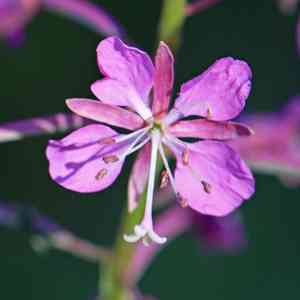
Chamaenerion angustifolium flourishes when propagated from seed. To ensure successful cultivation, utilize recently harvested seeds gathered once the flowers have wilted. Disperse the seeds superficially in a potting blend that drains efficiently, making sure they are barely concealed. A spot receiving full sun to partial shade encourages optimal development. Consistent moisture application assists in sprouting and root establishment, while avoiding excessive saturation, as Chamaenerion angustifolium is susceptible to such conditions.
Optimal Time for Fireweed Propagation
Propagation Method
Seeding
Propagation Period
Spring
Essential Tools for Fireweed Propagation
Seed trays or pots
These containers offer a controlled setting for fireweed seed germination. They must provide adequate drainage and spacing, allowing for easy management of young plants without disturbing their delicate root systems during early growth.
Quality potting mix
A well-draining, nutrient-rich potting medium is vital for successful fireweed germination and development. The mix should be sterile to prevent disease and capable of retaining moisture without becoming waterlogged, fostering an ideal environment for seed sprouting.
Labels and markers
These are crucial for identifying seed trays or pots, particularly when propagating multiple plant types. Accurate labeling aids in monitoring fireweed's specific needs and growth progress, ensuring proper care throughout the propagation phase.
Watering can with a fine rose
This tool is essential for gently irrigating fireweed seeds without dislodging them. A watering can with a fine rose distributes water evenly and softly, mimicking light rainfall, which helps keep seeds adequately moist for germination without causing erosion or fungal issues.
Propagating Fireweed
Propagation Type
Simple
Post-Propagation Care for Fireweed
How to Care for Your Newly Propagated Fireweed?
After propagation, fireweed should be cultivated in an area receiving full sun to partial shade. The soil needs to be well-draining and rich in organic matter. Fireweed is drought-tolerant once established, but during its initial growing season, maintain moderately moist soil to encourage robust root development. Mulching helps retain moisture and suppress weeds. Fertilization is generally not required. Monitor for pests and diseases, though fireweed is typically resilient. Regular deadheading or cutting back after flowering can promote new growth and prevent excessive self-seeding if desired.
Common Errors to Avoid When Propagating Fireweed
Poor seed quality
Utilizing old or improperly stored seeds can result in low germination rates. Given that fireweed seeds are tiny and quickly lose viability, using fresh, well-preserved seeds is critical for successful propagation.
Incorrect soil composition
Employing a soil mix that drains poorly or is excessively nutrient-rich can hinder fireweed growth. This species prefers poor to moderately fertile soil, which mimics its natural habitat conditions, promoting better growth and flower production.
Overwatering
While fireweed can endure moist conditions, excessive watering can lead to root rot or fungal diseases. Fireweed requires well-draining soil and moderate moisture levels, especially when young.
Deep planting
Fireweed seeds need light for effective germination. Covering the seeds with too much soil can prevent sprouting, as they must be sown on the soil surface or lightly covered.
Tips for Propagating Fireweed
Use fresh seeds
Gather seeds shortly after fireweed finishes blooming and sow them immediately. This ensures a higher germination rate as the seeds do not store well and rapidly lose their viability.
Prepare suitable soil mix
Create a soil mix with good drainage and low nutrient content. A blend of sand, perlite, and peat is ideal for mimicking the natural soil conditions favored by fireweed.
Surface sowing
Sow fireweed seeds on the soil surface or gently press them into the soil without covering them. This exposure to light is crucial for optimal germination.
Consistent moisture
Keep the soil consistently moist but not waterlogged during fireweed's germination period. Use a spray bottle to mist the soil gently, preventing the tiny seeds from being disturbed or washed away.



