How to Propagate Black crowberry?
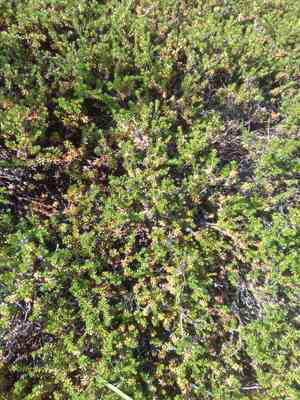
Empowering the black crowberry's growth is effectively achieved via cuttings, a fitting technique for this perennial bush. For optimal root formation, select robust, semi-lignified cuttings and contemplate the use of a rooting stimulant. Verify that the cuttings are situated in a porous, damp substrate blend to aid in root expansion. Consistent spraying ensures adequate moisture, assisting the plant in establishing itself more proficiently.
Optimal Period for Black Crowberry Propagation
Propagation Method
Cutting
Propagation Period
Spring,Summer
Tools for Black Crowberry Propagation
Precise Pruning Shears
Utilized for making clean, accurate cuts from black crowberry stems. This minimizes plant tissue damage, promoting better healing and rooting. Sharp shears prevent stem crushing or fraying, which could introduce pathogens and hinder root development.
Rooting Stimulant
This compound encourages root development from the cut ends of black crowberry cuttings. Applying a small amount to the fresh cut stem enhances the likelihood of successful rooting, especially since black crowberry can be challenging to propagate.
Sterile Growing Medium
A light, well-draining, and sterile potting substrate is vital for rooting black crowberry cuttings. It lowers the risk of fungal and bacterial infections, which can be detrimental during the initial stages of root formation. Sterility ensures the healthiest start for young plants.
Humidity Cover
Maintains a high moisture environment around black crowberry cuttings, crucial for preventing delicate new roots from drying out. The cover also helps stabilize temperatures, creating an ideal microenvironment for rooting and early growth.
Warming Mat
Placed beneath propagation trays, a warming mat provides consistent warmth, significantly improving black crowberry rooting success. This is especially useful in cooler climates or seasons, aligning with black crowberry's natural growth preferences.
How to Propagate Black Crowberry?
Propagation Difficulty
Moderately Difficult
Caring for Newly Propagated Black Crowberry
Caring for Newly Propagated Black Crowberry
After successful propagation, gradually introduce black crowberry to its permanent outdoor spot. It thrives in full to partial sun and acidic, well-drained soil. Consistent watering is essential until the plant is fully established. Apply a layer of mulch to retain moisture and protect roots in colder temperatures. Minimal pruning is required; only remove dead or damaged parts to maintain plant health and shape.
Common Propagation Errors to Avoid with Black Crowberry
Excessive Watering
Propagating black crowberry requires balanced moisture levels. Overwatering can lead to root rot, hindering the plant's ability to establish and grow successfully.
Planting Too Deeply
Planting black crowberry cuttings or seeds too deep can impede proper germination and growth. This error deprives developing plants of necessary oxygen, resulting in poor or failed propagation.
Ignoring Humidity
Neglecting the need for a humid environment during propagation can cause black crowberry cuttings to dry out, increasing failure rates. Sufficient humidity is crucial to keep cuttings viable until they root.
Using Aged Seeds
Utilizing seeds that are not fresh can significantly reduce black crowberry's germination rate. Old seeds may have diminished viability, impacting overall propagation success.
Tips for Propagating Black Crowberry
Utilize Fresh Medium
Ensure the planting medium is fresh, well-draining, and pathogen-free. This promotes healthy root growth and reduces disease risk in black crowberry.
Correct Seed Depth
Sow black crowberry seeds at the appropriate depth, typically surface-sown or lightly covered with soil. This maximizes their light exposure, essential for germination.
Maintain Humidity
Keep the environment humid around black crowberry during the initial propagation phases. Covering cuttings with a plastic dome or using a mist system can help maintain necessary moisture levels.
Timely Transplanting
Transplant black crowberry seedlings or cuttings as soon as they are robust enough for relocation. Early transplanting helps prevent root overcrowding and minimizes stress on young plants.



