How to Propagate Eastern bottle-brush grass?
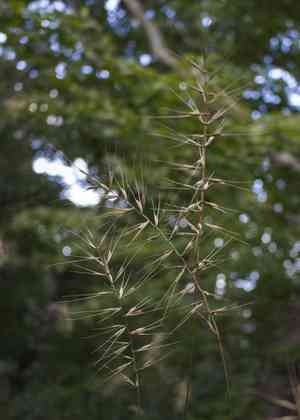
Eastern bottle-brush grass flourishes when multiplied via separation, a technique perfect for increasing its footprint in landscapes. Following the blooming period, gently excavate around the cluster and extract it from the ground. Employ a keen blade or shovel to segment the root mass into multiple portions, making certain each possesses sufficient roots and nascent growth. Immediately re-embed the segments in thoroughly prepared earth, sustaining ample hydration to foster root formation. This strategy not only augments eastern bottle-brush grass numbers but also revitalizes mature specimens by mitigating congestion.
What Is the Best Time To Propagate Eastern Bottle-brush Grass?
Propagation Type
Separation
Propagation Season
Spring,Autumn
What Tools Are Used in Eastern Bottle-brush Grass Propagation?
Spade or sharp garden shovel
This implement is crucial for excavating around the root mass of eastern bottle-brush grass to safely lift and divide the plant during propagation. A keen, robust blade is especially useful for cleanly cutting through the dense, fibrous root system without causing undue harm, ensuring the divisions remain robust and viable for replanting.
Garden fork
A garden fork is employed to gently loosen the soil surrounding eastern bottle-brush grass without severing or harming the roots prior to division. Its tines enable careful manipulation of the soil and roots, which is vital for preserving the integrity of the plantâs root ball. This aids in easier and safer separation into multiple plants.
Pruning shears
These are utilized to trim away any dead or excess foliage from eastern bottle-brush grass before and after division. Pruning helps alleviate stress on the new divisions by minimizing the amount of foliage the roots need to support, promoting faster establishment and healthier growth in their new spot.
Rooting hormone powder or gel
Though not always essential, applying a rooting hormone to the cut surfaces of eastern bottle-brush grass's roots can boost root development in the newly separated sections. This product stimulates root growth, increases the success rate of division propagation, and helps ensure the divisions of eastern bottle-brush grass recover and establish themselves more quickly post-transplant.
Watering can or garden hose with a gentle spray setting
Immediate and gentle irrigation after replanting the divisions of eastern bottle-brush grass helps settle the soil around the roots and lessen transplant shock. A soft spray ensures that the soil is moistened without being washed away, providing the necessary hydration that supports root recovery and growth.
Label and marker
Using labels to identify newly planted divisions is vital for tracking the propagation success and growth stages of eastern bottle-brush grass. Proper labeling ensures that specific care routines are followed during the critical early stages of establishment.
How to Propagate Eastern Bottle-brush Grass?
Propagation Type
Simple
How to Care for Your Newly Propagated Eastern Bottle-brush Grass?
How to Care for Your Newly Propagated Eastern Bottle-brush Grass?
Post-propagation, ensure eastern bottle-brush grass receives sufficient water, particularly during dry periods, to aid root establishment in its new location. Eastern bottle-brush grass thrives in partial shade to full sun and adapts well to various soil types. Minimal fertilization is needed; a light application of a balanced fertilizer in early spring can encourage vigorous growth. Mulching around the base can help retain soil moisture and suppress weeds.
Common Mistakes to Avoid When Propagating Eastern Bottle-brush Grass
Overwatering
Excessive watering of eastern bottle-brush grass can lead to root rot, as this species prefers well-drained conditions. Saturated soil can hinder proper root development and diminish the plant's overall health.
Using Poor Quality Compost
Employing substandard compost can introduce diseases to eastern bottle-brush grass and lack the essential nutrients the plant needs for robust growth. Inferior soil quality often results in weaker plants that are more prone to disease and less likely to propagate successfully.
Neglecting to Divide Correctly
Eastern bottle-brush grass is typically propagated by seed or division, but improper division of the rhizomes can harm the plant. Rough handling can destroy the plant's structure, leading to unsuccessful propagation and reduced vitality.
Tips For Propagating Eastern Bottle-brush Grass
Proper Soil Preparation
Ensure the soil where eastern bottle-brush grass will be planted drains effectively yet retains enough moisture to support growth. Incorporating organic matter or using high-quality compost can enhance soil texture and fertility, benefiting eastern bottle-brush grass's health.
Appropriate Water Management
While it's crucial to keep the soil moist, especially after planting seeds or divisions, ensure it's not excessively wet. Establish a balanced watering schedule that allows the soil to dry somewhat between waterings, but never completely desiccate.
Careful Division
When dividing eastern bottle-brush grass, proceed gently to avoid damaging the rhizomes. Ensure each division possesses at least one growth node or root section to guarantee successful re-establishment and growth in a new location.



