How to Propagate Chinese water chestnut?
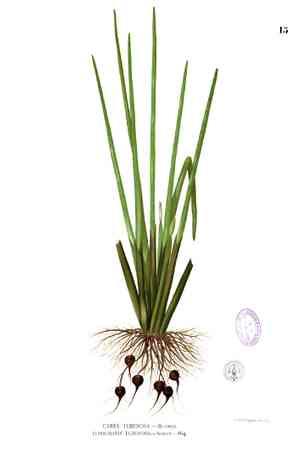
Chinese water chestnut is typically multiplied by planting seeds. To achieve robust growth, consistently damp soil is essential. Placing the corms in shallow aquatic environments or marshy ground mimics their native surroundings, encouraging superior development. The corms require sufficient spacing to accommodate their expansion. Vigilant observation for infestations and ailments is vital for the successful maturation of chinese water chestnut.
Optimal Time for Chinese Water Chestnut Propagation
Propagation Method
Seeding
Propagation Period
Spring
Tools for Chinese Water Chestnut Propagation
Aquatic Planting Baskets
These containers are vital for holding chinese water chestnut corms during submerged planting. Their mesh design allows for excellent water flow and nutrient uptake, while keeping corms contained for easier management and harvesting, preventing spread.
Water Level Gauge
This instrument is crucial for monitoring the water depth in the chinese water chestnut cultivation area. Maintaining proper water levels is critical as chinese water chestnut thrives in shallow, flooded environments. The gauge ensures stable water levels for plant growth stages.
Sediment Soil Tester
Used to analyze the soil quality in the waterlogged environment where chinese water chestnut is cultivated. This tester helps assess nutrient content and pH, ensuring the soil supports chinese water chestnut growth. This data is vital for amending soil to meet plant needs.
Corm Divider
Designed to safely and efficiently separate chinese water chestnut corms, a common propagation method. This tool minimizes corm damage during division, promoting healthier, more viable new plants.
Floating Row Cover
Used to regulate temperature and protect chinese water chestnut from pests and harsh weather. This tool is especially beneficial in early growth stages to maintain optimal conditions, significantly impacting plant survival and health.
How to Propagate Chinese Water Chestnut?
Propagation Type
Simple
Caring for Your Newly Propagated Chinese Water Chestnut
Caring for Your Newly Propagated Chinese Water Chestnut
Once chinese water chestnut is established, ensure consistent water levels to maintain its preferred flooded conditions. During the growing season, apply a balanced liquid fertilizer every 4-6 weeks to support growth. Keep the area weed-free and monitor for pests or diseases. Harvest chinese water chestnut when foliage yellows and dies back, typically at season's end. Careful handling during harvest prevents corm damage.
Common Propagation Errors to Avoid with Chinese Water Chestnut
Overcrowding bulbs
Planting chinese water chestnut bulbs too close together can hinder growth and reduce yield. Overcrowding prevents adequate air circulation and nutrient absorption, increasing disease and pest susceptibility.
Inadequate water levels
Failure to maintain sufficient water levels for chinese water chestnut can result in poor root development and stunted growth. Chinese water chestnut requires consistently moist or shallow aquatic conditions to flourish.
Using poor-quality water
Utilizing contaminated or low-quality water negatively impacts chinese water chestnut's health. Chemicals or pollutants in water can harm sensitive roots, impeding growth and potentially causing toxicity.
Ignoring light conditions
While chinese water chestnut tolerates various light conditions, excessive shade can impede its growth. Insufficient light reduces the plant's photosynthetic efficiency, affecting overall health and productivity.
Tips For Propagating Chinese Water Chestnut
Proper spacing
Ensure adequate space between each chinese water chestnut bulb when planting. This spacing promotes healthy growth and maximizes yield by allowing each plant access to sufficient nutrients and sunlight.
Maintain water quality and level
Regularly check and maintain the water level and quality where chinese water chestnut is grown. Clean, flowing non-stagnant water enhances root health and supports optimal growth conditions.
Mulching
Apply an organic mulch layer around chinese water chestnut to help retain soil moisture and stabilize temperature. This preserves the necessary wet environment and can improve both yield and produce quality.
Regular monitoring for pests
Watch for pests like aphids and spider mites. Early detection and treatment can prevent these pests from affecting chinese water chestnut's growth and health. Regular checks are crucial for maintaining a healthy crop.



