How to Propagate Viper's bugloss?
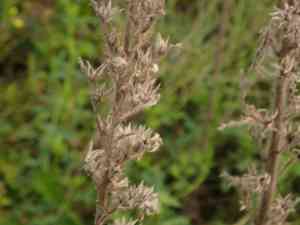
The most effective way to propagate Viper's bugloss is by planting seeds in the springtime. This species is quite simple to multiply, and indicators of success include the appearance of young plants and consistent development. Provide sufficient hydration and proper distance between plants for the best outcomes.
What Is the Best Time To Propagate Viper's Bugloss?
Propagation Type
Seeding
Propagation Season
Spring
What Tools Are Used in Viper's Bugloss Propagation?
Seed tray or flats
These offer a controlled setting for planting viper's bugloss seeds. Their flat surface ensures even seed distribution, preventing overcrowding and giving each seedling ample room to develop.
Fine vermiculite or seed-starting mix
Acts as a medium for viper's bugloss seeds to sprout in. It maintains proper moisture and air circulation, vital for viper's bugloss germination. Its fine texture benefits small viper's bugloss seeds, improving seed-to-medium contact.
Misting bottle or spray nozzle
Used to gently moisten viper's bugloss seeds and young plants without dislodging them with a strong water flow, which is crucial as powerful streams can bury seeds too deeply.
Dibber or seed sower
Aids in precise planting of viper's bugloss seeds at the correct depth. Consistent seed placement ensures uniform germination and growth.
Plant labels or markers
Enable clear identification of viper's bugloss seedlings. This is important for monitoring growth and maintaining organization, especially when cultivating various plant types.
Growth lights (for indoor propagation)
Provide sufficient light intensity for viper's bugloss seedlings, particularly if natural light is inadequate. Proper light exposure is essential for developing robust, healthy plants.
Heating mat (optional)
Elevates soil temperature to optimize germination conditions for viper's bugloss. This is especially useful in colder climates or seasons, as viper's bugloss seeds may need warmth to initiate sprouting.
How to Propagate Viper's Bugloss?
Propagation Type
Seeding
Difficulty Level
Simple
How to Care for Your Newly Propagated Viper's Bugloss?
How to Care for Your Newly Propagated Viper's Bugloss?
Water young viper's bugloss plants regularly until they are well-established. Viper's bugloss is drought-tolerant once mature, so reduce watering frequency. It thrives in full sun and tolerates poor, well-draining soils. Remove spent flowers to encourage more blooms and prevent excessive self-seeding. Viper's bugloss generally doesn't need fertilizer. Monitor for pests and diseases, though viper's bugloss is usually resistant. Provide support if needed, as viper's bugloss can grow quite tall and may become leggy.
Common Mistakes to Avoid When Propagating Viper's Bugloss
Incorrect soil mixture
Using an unsuitable soil blend can hinder viper's bugloss germination and growth. The plant requires well-draining soil to prevent root rot.
Overwatering
Providing too much water can lead to fungal issues and root decay, which are harmful to viper's bugloss's health.
Planting depth
Burying seeds too deep can prevent germination, as viper's bugloss seeds need adequate light to begin growing.
Ignoring spacing
Placing viper's bugloss too close can limit airflow and sunlight, increasing the risk of pest infestations and fungal diseases.
Neglecting to stratify
Failing to stratify viper's bugloss seeds might result in poor germination, as cold stratification can break seed dormancy and promote growth.
Tips For Propagating Viper's Bugloss
Use the right substrate
A mix of sand, compost, and garden soil provides the proper drainage and nutrients viper's bugloss needs for successful germination and growth.
Moderate watering
Water viper's bugloss seeds lightly to keep the soil moist but not waterlogged, ensuring the correct balance for seedling development.
Choose the optimal planting depth
Scatter viper's bugloss seeds on the soil surface, then lightly cover them to ensure they receive the light necessary for germination.
Space adequately
Give each viper's bugloss plant sufficient room to grow, which helps reduce competition for light, water, and nutrients while also minimizing disease spread.
Stratify seeds
Cold stratifying viper's bugloss seeds for several weeks before planting can boost germination rates and lead to more vigorous seedlings.



