How to Propagate Lace Hedgehog Cactus?
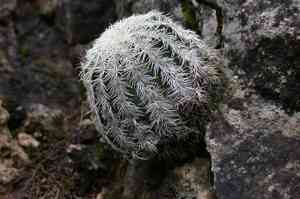
Lace Hedgehog Cactus, a species within the Cactaceae family, can be successfully propagated by planting its seeds. For optimal germination, begin with a potting medium formulated for cacti that ensures good drainage. Distribute the seeds uniformly across the soil's surface, then gently top them with a thin layer of sand or fine gravel to secure their position. Maintaining steady humidity is essential, yet excessive watering should be prevented to avert decay. Supplying a warm setting and exercising patience, as lace Hedgehog Cactus may require a significant period to sprout and develop, enhances the likelihood of successful propagation.
Optimal Time for Lace Hedgehog Cactus Propagation
Propagation Method
Seeding
Propagation Period
Spring
Tools for Lace Hedgehog Cactus Propagation
Sharp, sterile knife or scalpel
This instrument is vital for precisely detaching seed pods from lace Hedgehog Cactus without harming plant tissue. Sterilization helps avert infection, which is key for maintaining plant health. A keen blade ensures a clean cut, lessening plant stress and enhancing recovery and regrowth periods.
Fine-grain sandpaper or a file
Utilized to gently abrade the seeds of lace Hedgehog Cactus, which possess a tough outer layer. Scarification boosts water absorption and aids the germination process. This mild rubbing only removes a portion of the seed coat, improving germination rates without harming the seed embryo.
Seed trays fitted with drainage holes
Offers an ideal setting for sowing and germinating lace Hedgehog Cactus seeds. The drainage holes are essential to prevent excessive moisture, a condition that could lead to fungal issues and seed decay. Using trays helps maintain an organized growing environment and simplifies monitoring moisture levels.
Well-draining cactus mix soil
Specifically formulated to mimic the natural sandy environment of lace Hedgehog Cactus, ensuring good air circulation and proper water runoff. This soil blend prevents water accumulation around the roots, significantly reducing the risk of root rot while supplying necessary nutrients and support for developing seedlings.
Sealable plastic bags or a humidity dome
Used to cover seed trays to maintain a high moisture environment, which is crucial for the germination of lace Hedgehog Cactus seeds. This creates a microclimate that provides consistent moisture and warmth, essential for successful seed sprouting.
Fine mist spray bottle
Crucial for gently watering lace Hedgehog Cactus seeds without disturbing the soil or causing erosion. The fine mist ensures that seeds receive moisture evenly, necessary for initiating germination while preventing seed displacement.
How to Propagate Lace Hedgehog Cactus?
Propagation Type
Simple
Caring for Your Newly Propagated Lace Hedgehog Cactus
Caring for Your Newly Propagated Lace Hedgehog Cactus?
Post-propagation, gradually introduce seedlings to less humid conditions by removing the cover for longer durations daily. Provide lace Hedgehog Cactus with bright, indirect illumination and minimal water, allowing the soil to completely dry between waterings. Shield from frost and extreme temperatures, as lace Hedgehog Cactus prefers a warmer climate. Replant into a larger container when the seedling outgrows its current pot, typically every few years. Use a well-draining cactus-specific soil and a pot with adequate drainage holes.
Common Mistakes to Avoid When Propagating Lace Hedgehog Cactus
Overwatering
Propagating lace Hedgehog Cactus requires minimal irrigation, as excessive moisture can lead to root decay and fungal infections, ultimately killing the propagated cuttings.
Improper Soil Mix
Using a non-porous or all-purpose soil mix can retain too much moisture, negatively affecting lace Hedgehog Cactus root development and potentially causing roots to rot.
Deep Planting
Inserting lace Hedgehog Cactus cuttings too deeply into the soil can suffocate developing roots and hinder successful propagation.
Ignoring Callus Formation
Failing to allow the cut end of lace Hedgehog Cactus cuttings to form a callus before planting can increase the risk of moisture-related diseases, impeding successful propagation.
Tips For Propagating Lace Hedgehog Cactus
Well-Draining Substrate
Utilizing a well-draining cactus or succulent mix ensures that lace Hedgehog Cactus cuttings are not sitting in wet soil, which is vital for healthy root development.
Bright Indirect Light
Providing bright, indirect light for lace Hedgehog Cactus cuttings creates optimal conditions for growth without the risk of sunburn, which direct sunlight can cause.
Proper Cutting Technique
Ensuring that the cutting tool is sterile and that the cuts are clean helps prevent infection in lace Hedgehog Cactus and supports healthy propagation.
Allow Callusing
Allowing the cut end of lace Hedgehog Cactus cuttings to form a callus for a few days to a week before planting reduces the risk of rot and disease.



