How to Propagate Painted-lady?
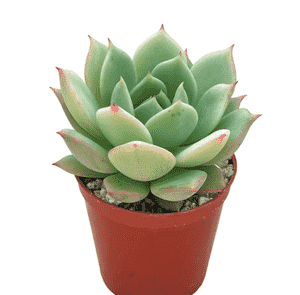
Painted-lady can be effectively multiplied through the cutting technique. For this, a robust leaf needs to be carefully detached from the rosette with a clean twist, preventing any harm. The leaf must then be permitted to form a callus for several days prior to being positioned on soil that drains efficiently. Refrain from directly irrigating the leaf until roots emerge, at which point it can be cared for like an established specimen. This method capitalizes on painted-lady's inherent hardiness and propensity for development.
Optimal Time for Painted-lady Propagation
Propagation Method
Cutting
Propagation Period
Spring,Summer,Autumn
Tools Required for Painted-lady Propagation
Sharp scissors or pruning shears
These implements are crucial for making clean cuts on painted-lady leaves or stems, ensuring a precise incision that promotes quicker healing and minimizes harm. A clean cut reduces infection risk and boosts successful rooting.
Sterilizing agent (e.g., isopropyl alcohol)
Used to sanitize cutting tools before and after use, this agent prevents disease transmission between plants. For painted-lady, which can be susceptible to infections, a sterilizing agent ensures the propagation process doesn't introduce pathogens that could negatively impact rooting and growth.
Rooting hormone
This substance can be applied to the severed end of painted-lady's stem or leaf to accelerate root development and increase the likelihood of successful propagation. The rooting hormone stimulates faster root growth, vital for painted-lady's establishment post-propagation.
Well-draining soil mix
Painted-lady needs a soil blend that offers excellent drainage to prevent root rot during and after the propagation process. A mixture containing perlite, sand, and peat moss is ideal for providing new roots with an optimal environment for growth and development.
Small pots or trays
These are utilized to plant painted-lady cuttings once prepared. Smaller containers are initially preferred as they help maintain adequate moisture levels around new roots, supporting effective root establishment without waterlogging.
How to Propagate Painted-lady?
Propagation Difficulty
Easy
Post-Propagation Care for Your Painted-lady
How to Care for Your Newly Propagated Painted-lady?
Following propagation, continue caring for painted-lady by keeping it in a bright spot with indirect sunlight. Water when the soil is completely dry, roughly every two weeks, depending on humidity and temperature. Avoid overwatering as it can lead to root rot. Fertilize sparingly during the growing season with a diluted low-nitrogen succulent fertilizer to encourage growth without compromising painted-lady's health.
Common Errors to Avoid When Propagating Painted-lady
Overwatering cuttings
Excessive watering of painted-lady cuttings can lead to decay. These succulents require minimal water, and too much moisture in the soil increases the risk of fungal growth and rot in the delicate cuttings.
Using non-sterile tools
Employing unsanitized tools can introduce pathogens to painted-lady cuttings or leaves. This can cause infections that might impede or completely prevent successful propagation.
Improper leaf removal
Incorrectly detaching leaves from the parent painted-lady can harm both the leaf and the stem, leading to unsuccessful propagation attempts as damaged leaves may not root effectively.
Ignoring leaf callousing
Failing to allow the cut end of painted-lady's leaves to form a callus before planting can cause the exposed tissue to absorb too much moisture, resulting in rot instead of root formation.
Planting too deep
Burying painted-lady cuttings or leaves too deeply in the soil can suffocate developing roots and hinder growth, as these plants require ample air circulation around their rooting structures.
Tips For Propagating Painted-lady
Proper water management
After planting painted-lady cuttings, water sparingly. The soil should be allowed to dry out completely between waterings to mimic the arid environment painted-lady are accustomed to.
Use of sterile tools
Always use sterile tools when taking cuttings or removing leaves from painted-lady to prevent infection and ensure a higher rate of successful propagation.
Gentle leaf removal
When removing leaves for propagation, gently twist and pull the leaf from the stem of painted-lady ensuring it comes off intact to provide the best chance for rooting.
Allow for callousing
Before planting, let the end of painted-lady's leaves or cuttings dry and form a callus for a few days to protect against rot and encourage root formation.
Shallow planting
When propagating painted-lady, place leaves or cuttings on top of soil or slightly insert them into the substrate without burying them deeply, as roots and new rosettes will need space for air circulation.



