How to Propagate Lipstick echeveria?
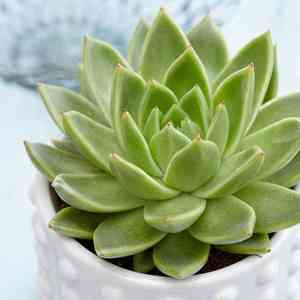
Lipstick echeveria multiplies most effectively via stem sections throughout the warmer periods of Spring and Summer. This technique is quite straightforward, with successful reproduction evidenced by the emergence of new roots. Utilize a growing medium that drains efficiently for the best outcomes.
Optimal Time for Lipstick Echeveria Propagation
Propagation Method
Cutting
Propagation Period
Spring, Summer
Tools for Propagating Lipstick Echeveria
Sharp and Sterilized Pruning Shears
Utilized for making precise cuts from lipstick echeveria, minimizing harm and lowering infection risk. Sharpness ensures a clean cut, vital for delicate leaves and stems.
Rubbing Alcohol or Bleach
Crucial for sanitizing pruning shears prior to cutting to prevent disease spread. It's important to avoid contaminating lipstick echeveria with pathogens that could hinder successful propagation.
Tray or Flat Container
Acts as a surface for placing lipstick echeveria cuttings, allowing them to dry and form a callus over several days before planting, which is necessary to prevent rot when placed in soil.
Succulent Potting Mix
Employed to provide the appropriate growing medium for lipstick echeveria once calloused. The mix should drain well to meet lipstick echeveria's needs, fostering root growth without retaining excessive moisture.
Small Pots or Propagation Containers
Used for planting the cutting after the callus has formed. The size should be suitable for small lipstick echeveria cuttings, ensuring ample space for root development without overwatering.
Plastic Wrap or a Clear Dome
Creates a humid environment around lipstick echeveria's cuttings, maintaining high humidity levels to promote rooting while still allowing air circulation. This can accelerate the propagation process by encouraging a stable environment.
Rooting Hormone
Optional but beneficial for enhancing lipstick echeveria's rooting success. It stimulates root development at the cut surface, increasing the chances of successful propagation, especially for larger cuttings that might struggle to root.
How to Propagate Lipstick Echeveria
Propagation Method
Cutting
Difficulty Level
Easy
Caring for Your Newly Propagated Lipstick Echeveria
Caring for Your Newly Propagated Lipstick Echeveria
Lipstick echeveria requires minimal yet consistent care after propagation. Water new plants only when the soil is completely dry, provide bright, indirect light, and avoid extreme temperatures to prevent stress. Gradually acclimate young plants to more direct sunlight to encourage robust growth and maintain the succulent's vibrant color.
Common Mistakes to Avoid When Propagating Lipstick Echeveria
Overwatering cuttings
Excessive watering of lipstick echeveria's cuttings can lead to rot in delicate new roots, significantly reducing the likelihood of successful propagation.
Planting too deep
Burying lipstick echeveria's cuttings too deeply can cause root suffocation and decrease the chance of successful rooting, as lipstick echeveria typically prefers to root closer to the soil surface.
Using old or contaminated soil
Employing soil that is not fresh or sterile can introduce pathogens to lipstick echeveria's cuttings, increasing the risk of disease and poor growth.
Neglecting to wait for callous formation
Failing to allow the cut end of lipstick echeveria to callous over before planting can expose the wound to moisture and bacteria, increasing the risk of rot.
Ignoring proper light conditions
Disregarding the light requirements for lipstick echeveria can impede the photosynthesis process, which is vital for the energy lipstick echeveria needs to develop roots.
Tips For Propagating Lipstick Echeveria
Proper cutting technique
Use a clean, sharp tool to take a cutting from lipstick echeveria, ensuring a clean cut that will heal quickly and cleanly.
Allow cuttings to callous
After taking a cutting, allow the wound on lipstick echeveria to dry and form a callus over a few days to reduce the chance of rot when planted.
Well draining soil
Plant lipstick echeveria's cuttings in a well-draining soil mix to prevent water accumulation around the developing roots.
Moderate watering schedule
Establish a moderate watering schedule that keeps the soil slightly moist but not waterlogged to encourage root growth without causing rot.
Bright indirect light
Provide lipstick echeveria with bright, indirect light, which is ideal for encouraging root and leaf development during the propagation process.



