How to Propagate Black echeveria?
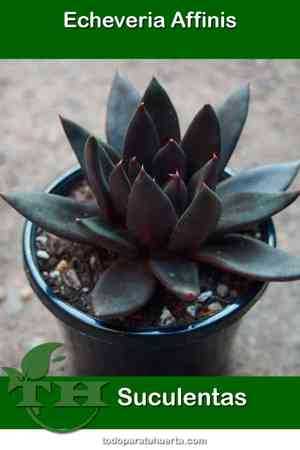
Black echeveria is successfully multiplied by planting seeds. Cultivators can collect seeds from the spent floral stalk following fertilization. These seeds ought to be dispersed onto a potting blend that drains efficiently, preferably one formulated for succulents. It is crucial to maintain the growing medium slightly damp and to supply ample, diffused illumination to stimulate sprouting. After the young plants have developed sufficiently to be handled, they can be gently moved into separate containers. Perseverance is essential, as black echeveria can require considerable time to develop from a seed into a fully grown plant.
Optimal Period for Black Echeveria Propagation
Propagation Method
Seeding
Propagation Period
Spring
Tools Required for Black Echeveria Propagation
Sharp Scissors or Pruning Shears
These implements are vital for making clean cuts when detaching leaves from black echeveria during leaf propagation. A precise cut minimizes harm to the parent plant and the cuttings, which is essential for successful healing and rooting of new plants. Sharp tools help prevent infection and promote faster recovery, fostering healthier growth in both cuttings and the main plant.
Tweezers
Tweezers are especially helpful for handling small or delicate black echeveria cuttings, enabling gentle placement into the growing medium without harming fragile tissues. This tool is particularly advantageous when arranging leaves on the soil surface, ensuring they are positioned without excessive pressure that could cause bruising or other damage.
Propagating Tray
A propagating tray offers an organized and regulated environment for black echeveria cuttings to root. These trays should feature good drainage and be shallow enough for easy monitoring and care of the cuttings. The enclosed setting aids in maintaining consistent moisture levels and temperature, crucial elements for successful rooting.
Well-draining Soil Mix
A specialized soil blend that drains efficiently yet retains adequate moisture is crucial for black echeveria propagation. The soil mixture typically includes components like perlite, coarse sand, and peat, which support aeration and proper moisture levels. This balance prevents root rot while providing sufficient hydration for optimal growth during the initial propagation stages.
Misting Bottle
A misting bottle allows for gentle irrigation that will not dislodge or harm tender black echeveria cuttings. Regular misting helps maintain optimal humidity without over-saturating the soil, which can lead to fungal issues and root rot. This tool is indispensable for preserving the delicate moisture balance needed during early root development.
How to Propagate Black Echeveria?
Propagation Type
Simple
Caring for Your Newly Propagated Black Echeveria
Caring for Your Newly Propagated Black Echeveria
Position the new black echeveria plants in a spot receiving bright, indirect light and continue to water sparingly, allowing the soil to dry out between waterings. Shield young plants from extreme temperatures, and gradually introduce them to their permanent growing location. As they mature, follow standard black echeveria care, including minimal watering, good air circulation, and infrequent feeding with a diluted succulent fertilizer during the growing season.
Common Errors to Avoid When Propagating Black Echeveria
Overwatering
Watering black echeveria too often can cause the delicate leaves to decay, especially during the rooting phase. This error compromises the health of the plant cuttings, leading to fungal infections and rot.
Deep planting
Burying black echeveria cuttings too deeply in the soil can impede proper root formation. Insufficient air circulation around the base of the cuttings can result in rot.
Ignoring leaf condition
Choosing damaged or unhealthy leaves for propagation can lead to poor root development and growth in black echeveria. Healthy, vibrant leaves increase the likelihood of successful propagation.
Using unsterilized tools
Cutting black echeveria with unclean tools can introduce pathogens, causing infections that hinder propagation. Clean, disinfected tools are vital for preventing disease transmission.
Insufficient light
Inadequate lighting can result in weak, leggy growth in black echeveria, as they require bright, indirect light to thrive and root efficiently during propagation.
Tips For Propagating Black Echeveria
Leaf removal technique
Gently twist the leaf from black echeveria to ensure a clean separation. A torn or incomplete leaf may not root successfully. Whole leaves have the best chance of developing into new plants.
Callousing
Allowing the cut end of black echeveria's leaves or stem cuttings to form a callus for several days before planting prevents rot and promotes healthy root development.
Soil selection
Using well-draining soil provides the necessary aeration for black echeveria to develop roots effectively. Good drainage is crucial to prevent waterlogging and rot.
Indirect light
Positioning black echeveria in bright, indirect light supports vigorous growth without the risk of sunburn, which could harm the young plantlets.
Monitor moisture
Maintaining slightly moist conditions without overwatering encourages black echeveria to root. A delicate balance of moisture promotes rooting without causing decay.



