How to Propagate Stinkwort?
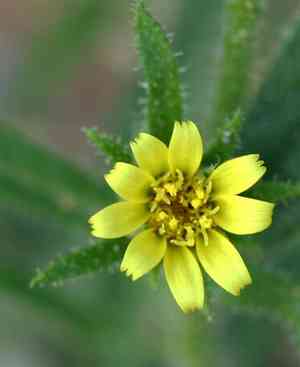
Stinkwort reproduces efficiently through spring seeding. Deemed simple to multiply, successful reproduction is indicated by the appearance of fresh sprouts. No further advice regarding propagation is necessary for this undemanding variety.
When Is the Optimal Time to Propagate Stinkwort?
Propagation Method
Seeding
Propagation Period
Spring
What Equipment Is Utilized in Stinkwort Propagation?
Seed trays or propagation flats
These shallow containers offer an ideal setting for planting seeds. For stinkwort, small compartments or sections enable the planter to maintain organized rows or clusters of seeds, ensuring adequate room for development. The trays assist in retaining appropriate moisture levels and, when paired with a clear plastic cover, can create a miniature greenhouse effect to encourage germination.
High-quality seed starting mix
A well-draining, nutrient-rich seed starting medium is vital for stinkwort's germination. This sterile substrate prevents disease and provides the seeds with the perfect balance of air, moisture, and support, free from common garden soil pathogens, which is crucial for the seeds' delicate initial stages.
Watering can with a fine rose
This tool permits gentle irrigation, preventing the small stinkwort seeds from being dislodged or buried too deeply. A fine rose attachment disperses the water flow into a soft, rain-like spray, ensuring even distribution without causing erosion of the seed-starting mix.
Dibber or small pointed tool
This instrument is employed to create suitable depressions in the seed starting mix for planting stinkwort seeds. The size of the holes can be easily managed, which is important as planting depth significantly influences the success of seed germination; for stinkwort, a shallow depth is advised.
Pots or containers with drainage holes
After germination, individual stinkwort plants may need to be transplanted into pots to allow for further root development. Pots with adequate drainage prevent waterlogging and root rot, providing a healthy growing environment during the propagation phase.
Labels and a permanent marker
Marking implements are crucial for tracking the stinkwort propagation process. Labels contain details such as the sowing date and are inserted into the seed starting mix. This practice is important for monitoring the germination process and scheduling subsequent care routines like watering and transplanting.
How to Propagate Stinkwort?
Propagation Method
Seeding
Difficulty Level
Easy
How to Nurture Your Newly Propagated Stinkwort?
How to Nurture Your Newly Propagated Stinkwort?
Following propagation, ensure stinkwort is growing in a sunny location with well-draining soil. Its drought-tolerant nature means stinkwort requires minimal watering once established, except during extended dry periods. Stinkwort typically does not need fertilization, and care should be taken to prevent its aggressive spread by removing the flowering heads before they set seed if you do not wish for it to self-sow profusely. Given stinkwort's invasive potential, monitoring its growth and preventing seed dispersal is vital for responsible cultivation.
Common Errors to Avoid When Propagating Stinkwort
Excessive watering
Propagating stinkwort could lead to overwatering, as these plants prefer drier conditions. Overwatering can cause root rot, which is problematic because it can kill the plant before it has a chance to establish.
Planting too deep
Gardeners might plant stinkwort cuttings or seeds too deeply, which can impede germination and root establishment. This can result in poor plant development or even prevent sprouting altogether.
Failing to remove flowers
Neglecting to remove the flowers from stinkwort during propagation might direct the plant's energy towards seed production instead of root and foliage growth, which is essential for a healthy start.
Ignoring pest control
One might overlook the presence of pests during propagation of stinkwort, which can lead to infestations that compromise the plant's health, limiting its ability to grow and reproduce.
Advice For Propagating Stinkwort
Soil choice
Utilize a well-draining soil mix for stinkwort to prevent waterlogging. Good aeration is crucial for healthy root development and overall success in propagation.
Cutting preparation
Prepare cuttings of stinkwort with a sharp, clean tool to prevent disease transmission and ensure a clean cut that promotes better rooting.
Light conditions
Provide stinkwort with ample sunlight during propagation, which is essential for photosynthesis and energy production, supporting vigorous growth.
Moisture monitoring
Keep the soil moist but not waterlogged when propagating stinkwort. Consistent moisture levels are important, but excessive water can lead to root diseases.



