How to Propagate Diamond-leaf persimmon?
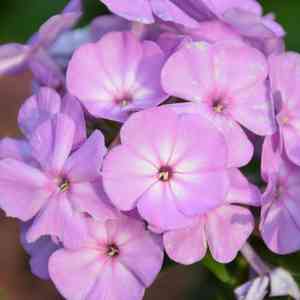
The most effective method for propagating Diamond-leaf persimmon involves utilizing stem sections. Cultivators ought to choose robust, semi-woody portions during the period of vigorous growth. Verify that each cutting measures approximately 4-6 inches in length and possesses multiple leaf nodes. Submerging the severed end in a rooting compound prior to insertion into a well-draining, damp growing medium can significantly improve root formation. Maintain a humid and shaded environment to prevent drying out until the root system is firmly established.
Optimal Propagation Period for Diamond-leaf Persimmon
Propagation Method
Cutting
Propagation Season
Autumn,Winter
Tools Required for Diamond-leaf Persimmon Propagation
Sharp Pruning Shears
These are vital for obtaining clean, precise cuttings from diamond-leaf persimmon, minimizing harm to the parent plant and boosting the likelihood of successful rooting. Clean cuts help prevent infections, which is critical during the delicate initial stages of cutting propagation.
Rooting Hormone
This product is used to stimulate root growth on diamond-leaf persimmon cuttings. Applying a rooting hormone to the cut end of the cutting significantly improves root development, increasing the overall success rate of propagation. It's particularly useful given the hardness of diamond-leaf persimmon's wood, which might otherwise root slowly.
Sterilized Potting Mix
This offers a clean, disease-free environment for diamond-leaf persimmon cuttings to establish roots. Utilizing a well-draining, sterile mix prevents illnesses that could harm the young plants. This medium should retain sufficient moisture to support rooting while inhibiting fungal growth.
Humidity Dome or Plastic Cover
This item helps maintain a high moisture environment around diamond-leaf persimmon cuttings. High humidity is essential to prevent the cuttings from drying out before they develop roots, ensuring they stay hydrated and promoting successful rooting.
Heat Mat
Optional but advantageous, especially in cooler climates, a heat mat ensures consistent soil temperature, which can enhance the rooting process for diamond-leaf persimmon. Maintaining a stable, warm temperature around the root zone helps stimulate root growth, increasing propagation success.
How to Propagate Diamond-leaf Persimmon?
Propagation Type
Moderately Difficult
Post-Propagation Care for Your Diamond-leaf Persimmon
How to Care for Your Newly Propagated Diamond-leaf Persimmon?
Once roots have formed, gradually introduce diamond-leaf persimmon to less humid conditions before moving it to a larger container or garden. After transplanting, keep the soil consistently moist and provide diamond-leaf persimmon with partial to full sunlight, depending on your local climate. Monitor for pests and diseases and treat as needed. Supplement with a balanced, slow-release fertilizer to support healthy growth.
Common Errors to Avoid When Propagating Diamond-leaf Persimmon
Over-watering during rooting
Providing too much moisture can lead to root rot in diamond-leaf persimmon, as their cuttings are especially vulnerable to waterlogged conditions. This hinders root formation and can destroy the cutting before it successfully establishes.
Using overly mature cuttings
Selecting cuttings that are too old can result in reduced rooting effectiveness. Older wood in diamond-leaf persimmon tends to root more slowly and with less success compared to younger, more vigorous stems.
Neglecting humidity control
Failing to maintain a high humidity environment around the cutting of diamond-leaf persimmon leads to excessive water loss, making it difficult for the cutting to survive and develop roots, as diamond-leaf persimmon cuttings require moist air to prevent drying out.
Tips For Propagating Diamond-leaf Persimmon
Use semi-hardwood cuttings
For diamond-leaf persimmon, semi-hardwood cuttings, typically taken in late summer when the growth begins to harden, are more effective. These have a higher rooting potential due to the optimal balance of mature and new growth tissues.
Rooting hormone application
Applying a rooting hormone to the base of the cuttings of diamond-leaf persimmon can significantly enhance root development. This stimulates faster and more reliable root growth, which is crucial for successful propagation.
Create a humidity chamber
Constructing a simple humidity chamber or using a plastic bag to cover the cuttings helps retain moisture in the air, thus promoting better rooting conditions for diamond-leaf persimmon. This prevents the cuttings from drying and facilitates a more successful rooting process.



