How to Propagate Date-plum?
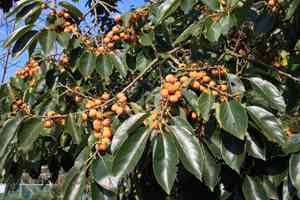
Date-plum is recognized for its delectable produce and appealing leaves. For horticulturists aiming to multiply date-plum, grafting emerges as an effective technique. Employing a rootstock that is compatible and resilient to diseases improves the likelihood of successful development and fruit yield. To attain optimal outcomes, select scion material from a vigorous, mature date-plum during its active growth phase. Pristine, keen instruments are essential for making accurate incisions, thereby minimizing infection risk and fostering quicker recovery. The grafted section ought to be properly sealed and braced to facilitate the creation of a firm bond. Regular post-grafting attention, encompassing irrigation and safeguarding from harsh conditions, will further assist in the establishment of a sturdy new date-plum.
When Is the Best Time to Propagate Date-plum?
Propagation Method
Grafting
Propagation Period
Spring,Winter
What Tools Are Used for Date-plum Propagation?
Grafting Knife
A grafting knife is crucial for making precise cuts on the scion and rootstock of date-plum. It ensures clean incisions that improve the likelihood of a successful graft union. The sharp, thin blade minimizes tissue damage, which is vital for the delicate grafting process.
Pruning Shears
Pruning shears are utilized to prepare the rootstock before grafting date-plum. They provide a clean and sharp cut, reducing infection risk and ensuring the grafting site is ideal for scion attachment.
Grafting Tape or Parafilm
This material is used to firmly wrap the graft union of date-plum after the grafting knife and pruning shears have been employed. It maintains scion-rootstock alignment, ensuring they remain tightly bound and protected from external elements, which boosts successful grafting chances.
Grafting Wax
Grafting wax is applied to seal the graft union. It prevents dehydration and protects against pathogens. The wax is especially beneficial for date-plum, helping maintain moisture around the graft site and improving the overall success rate of the graft.
Budding and Grafting Clips
These clips are specifically designed to hold the graft union securely during the healing process. They are particularly useful for delicate grafts on date-plum, ensuring the scion stays in its intended position on the rootstock.
How to Propagate Date-plum?
Propagation Difficulty
Moderately Difficult
How to Care for Your Newly Propagated Date-plum?
How to Care for Your Newly Propagated Date-plum?
After successful grafting, gradually introduce the grafted date-plum to outdoor conditions if it was healing indoors. Ensure it is planted in well-draining soil with full sun to partial shade exposure. Water the date-plum regularly to keep the soil consistently moist, but not waterlogged. Fertilize with a balanced, slow-release fertilizer after the first year of growth to support healthy development. Prune date-plum annually to maintain a desired shape and improve air circulation. Monitor for pests and diseases specific to date-plum, and treat as necessary.
Common Mistakes to Avoid When Propagating Date-plum
Ignoring Rootstock Quality
Using poor quality or incompatible rootstock can lead to weak growth and poor fruit production. It's crucial to select a healthy and suitable rootstock for date-plum to ensure successful grafting.
Improper Cutting Technique
An incorrect cutting method can damage the cambium layer, hindering the plant's ability to transport nutrients, which can result in failed propagation attempts.
Overwatering
While date-plum cuttings require moisture to root, excessive water can lead to rot. Overwatering is a common issue that suffocates roots and promotes fungal diseases.
Neglecting Hygiene
Failing to sterilize propagation tools can spread diseases to date-plum. Clean cuts are essential to prevent infection and to ensure a higher success rate.
Planting at Incorrect Depth
Inserting cuttings too deeply or not deep enough can impact rooting and growth. Cuttings need to be planted at an appropriate depth to offer support and access to moisture.
Tips For Propagating Date-plum
Select Healthy Scion Material
Choose scions from vigorous, disease-free date-plum trees. Healthy scions have a better chance of successfully establishing when grafted onto rootstock.
Use Sharp Tools
Sharp tools create a clean cut that heals quickly and reduces the chance of disease in date-plum. This increases the likelihood of a successful union between scion and rootstock.
Control Moisture Levels
Maintaining balanced moisture levels ensures that date-plum cuttings have enough water to root without rotting. Use a well-draining medium and water adequately.
Provide Optimal Conditions
Offering a stable environment with the right humidity, temperature, and light can significantly enhance root development and establishment of date-plum.
Practice Patience
Propagation of date-plum may take time, and rushing or moving cuttings too early can disturb the forming roots. Let the cuttings establish well before transplanting.



