How to Propagate Longan?
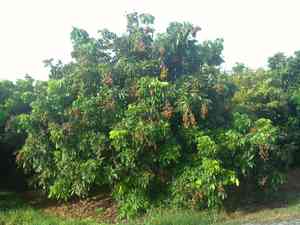
Originating from Southeast Asia, the evergreen longan is valued for its fragrant, succulent fruit. Successful propagation is generally accomplished via grafting, involving the attachment of a bud or scion from an established longan onto a suitable rootstock. Cultivators ought to choose robust, pathogen-free samples for grafting to guarantee prosperous development and fruit production. Accurate incisions and correct positioning are vital for the graft union to succeed, followed by diligent post-grafting care, including steady hydration and defense against pests and ailments, to cultivate the nascent longan into a strong, productive tree.
Optimal Period for Longan Propagation
Propagation Method
Grafting
Propagation Period
Spring,Winter
Essential Tools for Longan Propagation
Grafting Knife
A grafting knife is vital for making precise incisions on the scion and rootstock of longan. Its sharpness and fine blade enable clean, straight cuts, which are crucial for a successful graft union. This accuracy helps ensure proper alignment of vascular tissues, facilitating efficient nutrient and water transport between the grafted sections.
Grafting Tape or Strips
Grafting tape is utilized to firmly secure the scion to the rootstock after their union. This material maintains the necessary pressure to hold the graft in place while preventing air and pathogen infiltration. For longan, a flexible, moisture-resistant tape is ideal to accommodate some swelling during the healing process, promoting better survival and integration rates.
Rooting Hormone
While primarily used in cutting propagation, rooting hormone can also be advantageous in grafting longan by encouraging faster root development at the graft site. This assists the grafted plant in establishing itself and efficiently absorbing nutrients, thereby improving overall graft success.
Pruning Shears
Used for preparing the rootstock by trimming it to the appropriate size and removing any excess foliage that could stress the plant during the initial stages of graft union. For longan, sharp, sterile pruning shears are essential to avoid crushing or tearing plant tissues, which could lead to disease entry or poor grafting outcomes.
Disinfectant Solution
Sterilization is critical in grafting to prevent disease transmission between the graft components and ensure the health of longan. Using a disinfectant solution to clean all tools before and after use helps maintain a sterile environment, promoting better healing and growth.
How to Propagate Longan?
Propagation Difficulty
Moderately Difficult
Post-Propagation Care for Longan
Post-Propagation Care for Longan
Once the graft has healed and the scion begins to grow, gradually expose longan to increased sunlight. Maintain consistent soil moisture and provide monthly feedings with a balanced fertilizer during the active growth period. Regularly check for pests and diseases. Pruning should be performed to shape the tree and remove any dead or superfluous branches, promoting improved air circulation and light penetration, which is vital for the health and productivity of longan.
Common Errors to Avoid When Propagating Longan
Poor soil preparation
Using inadequately drained soil can lead to waterlogging, which is detrimental to longan's root health and increases the risk of root rot.
Excessive watering
Over-watering longan during propagation can suffocate the roots, reduce oxygen availability, and encourage fungal diseases.
Using non-sterile tools
Propagating longan with uncleaned tools can introduce pathogens, harming delicate cuttings and decreasing the chances of successful propagation.
Incorrect cutting technique
Improper cutting methods can damage longan's tissues, leading to poor healing and reduced growth potential.
Neglecting humidity levels
Failing to maintain sufficient humidity can cause longan cuttings to lose moisture too rapidly, resulting in desiccation and propagation failure.
Tips For Propagating Longan
Well prepared soil
Utilize well-draining, fertile soil to encourage healthy root development without the risk of waterlogging for longan.
Moderate watering
Water longan cuttings just enough to keep the soil moist, ensuring that the roots receive adequate moisture without becoming waterlogged.
Sterilize propagation tools
Always use sterilized tools when taking cuttings from longan to prevent disease transmission and ensure clean cuts for better healing.
Correct cutting method
Make precise cuts at a 45-degree angle just below a node to maximize the surface area for rooting and promote faster healing for longan.
Maintain optimal humidity
Create a humid environment using covers or misting to prevent excessive water loss, aiding in the successful propagation of longan.



