How to Propagate Katmon?
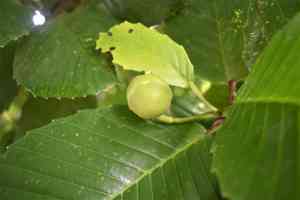
Originating from the Philippines, katmon is a tropical fruit-producing tree prized for its aesthetic and therapeutic qualities. Reproduction is typically accomplished via cuttings, offering a dependable means of preserving genetic consistency. To ensure successful root formation, semi-hardwood stem sections harvested from a robust parent specimen are optimal. These ought to be situated in a substrate that drains effectively, within an environment of elevated humidity. Employ rooting stimulants to foster root growth, thereby guaranteeing a conducive setting for the early developmental phases. With diligent attention, the propagation of katmon can prove both gratifying and efficient for hobbyists and cultivators.
Optimal Time for Katmon Propagation
Propagation Method
Cutting
Propagation Period
Autumn,Winter
Tools for Katmon Propagation
Sharp Pruning Shears
These are vital for making clean, precise cuts when propagating katmon from cuttings. The blades must be sharp to avoid crushing plant tissue, which can increase disease risk and hinder rooting. Sterilize shears between cuts to prevent cross-contamination.
Rooting Hormone Powder or Gel
This product enhances the success rate of root development in katmon cuttings. Dipping the cut end into the hormone stimulates faster root growth, which is key for a species that might otherwise root slowly. Follow application instructions for the specific hormone type.
Clean Pots with Drainage Holes
After preparing cuttings with shears and applying rooting hormone, katmon cuttings should be placed in clean containers. These pots require adequate drainage to prevent waterlogging, which can cause root rot and fungal diseases. Drainage holes ensure excess water escapes, fostering a healthier rooting environment.
Sterile Potting Mix
Using a sterile potting mix helps minimize the risk of soil-borne diseases affecting katmon during the sensitive rooting phase. A mix that drains well yet retains sufficient moisture provides ideal conditions for cuttings to develop healthy roots. Common components include peat moss, perlite, and vermiculite.
Plastic or Glass Cover
Creating a humid environment around katmon cuttings can significantly boost rooting success. Covering pots with a clear plastic or glass enclosure helps maintain high humidity, crucial as cuttings initially lack roots to absorb moisture. This also stabilizes temperature and protects cuttings from environmental stress.
Watering Can with a Fine Rose
Gentle watering is essential for katmon cuttings, especially immediately after planting. A watering can with a fine rose attachment allows for soft water dispersal, ensuring delicate cuttings are undisturbed and the potting mix is uniformly moistened without being washed away.
How to Propagate Katmon?
Propagation Type
Moderately Difficult
Caring for Newly Propagated Katmon
Caring for Newly Propagated Katmon?
Once roots have formed, gradually introduce katmon to its permanent growing conditions. Initially, avoid direct sunlight, and ensure regular watering, allowing the soil to dry slightly between sessions. Continue monitoring for pests and diseases. As katmon matures, apply a balanced fertilizer during the growing season to support healthy growth and flowering.
Common Propagation Mistakes for Katmon
Overwatering
Excessive watering can lead to root rot in katmon, severely impacting the plant's health by compromising its root system. This error often occurs when the soil isn't allowed to dry sufficiently between watering, which is vital for this species' well-being.
Inadequate soil mixture
Using an unsuitable soil mix that either drains poorly or doesn't retain enough moisture can stress katmon, hindering its growth and ability to establish itself. The balance of drainage and moisture retention is crucial for successful propagation of this plant.
Excessive use of fertilizer
While seemingly beneficial, over-fertilizing katmon during early propagation can cause nutrient burn, characterized by scorched roots and discolored leaves, which can halt growth and even kill young plants.
Tips For Propagating Katmon
Use of healthy parent plants
Selecting vigorous, disease-free parent plants for cuttings significantly increases propagation success. Healthy stock ensures cuttings have optimal genetic material and health, setting the stage for robust growth.
Proper cutting technique
Making clean, angled cuts on branches during propagation promotes better water uptake and reduces disease risk in katmon. Proper cutting also involves choosing the right time of day, typically early morning, when the plant is most turgid.
Maintaining humidity
High humidity is important for successful katmon propagation, especially with leaf cuttings. Creating a mini-greenhouse by covering cuttings with a plastic bag helps maintain the necessary humid environment without extra watering.



