How to Propagate Spanish rusty foxglove?
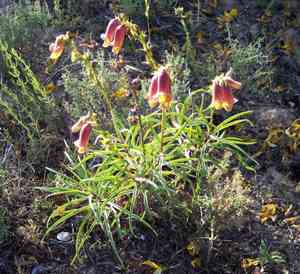
Digitalis ferruginea, a captivating perennial, is recognized for its prominent tubular blossoms in hues of reddish-orange. Its propagation is chiefly accomplished via cuttings, preferably sourced from a vigorous parent specimen. Choose sturdy stalks, ideally those that have not yet bloomed, and verify their freedom from ailments. Insert the cuttings into a substrate that drains effectively and sustain adequate humidity to foster root development. Perseverance and diligent attention will ensure successful propagation.
Optimal Time for Spanish Rusty Foxglove Propagation
Propagation Type
Cutting
Propagation Season
Spring,Summer
Tools Required for Spanish Rusty Foxglove Propagation
Sterile Pruning Shears or Garden Scissors
Utilized for taking cuttings; sharp, clean cuts prevent tissue damage and reduce the risk of disease transmission. Ensure they are sterilized to protect spanish rusty foxglove from infections.
Rooting Hormone
Assists in the development of roots from cuttings; particularly beneficial for spanish rusty foxglove, which can be difficult to root without stimulation. Dip the cut end into the hormone before planting.
Seedling Trays or Small Pots
Offer a suitable environment for cuttings to develop roots. Good drainage is crucial to prevent waterlogging and root rot in spanish rusty foxglove.
Seed Starting Mix or Potting Soil
Light, well-draining medium ensures optimal aeration and moisture retention, supporting healthy root development in spanish rusty foxglove.
Humidity Dome or Clear Plastic Bag
Retains moisture and creates a humid microenvironment necessary for root formation. Place over pots or trays containing spanish rusty foxglove cuttings.
Watering Can with Fine Rose
Delivers gentle watering without displacing soil or damaging tender cuttings. Consistent moisture is critical for spanish rusty foxglove during the rooting process.
Heated Propagation Mat
Provides a consistent, warm temperature to facilitate root growth. Maintaining a stable temperature is vital for the successful propagation of spanish rusty foxglove.
Mister or Spray Bottle
Keeps the humidity high around the cuttings without overly soaking the soil. Regular misting prevents the cuttings of spanish rusty foxglove from drying out.
Labeling Stakes or Tags
Helps track the propagation progress and maintain the identity of spanish rusty foxglove cuttings, ensuring proper care and monitoring.
Sharp Knife or Scalpel
Useful for taking precise, clean cuttings when pruning shears may not be suitable. Sterilize before use to ensure no contamination of spanish rusty foxglove.
How to Propagate Spanish Rusty Foxglove?
Propagation Type
Easy
Caring for Your Newly Propagated Spanish Rusty Foxglove
Caring for Your Newly Propagated Spanish Rusty Foxglove?
Post-transplant, water spanish rusty foxglove regularly to establish strong roots but avoid waterlogging. Apply a balanced, slow-release fertilizer to encourage healthy growth. Monitor for pests and diseases, and remove any damaged or diseased leaves promptly. Prune spent flowers to encourage more blooms. Ensure the plant receives partial to full sun for optimal growth, and provide support if the stems become too tall or leggy.
Common Mistakes to Avoid When Propagating Spanish Rusty Foxglove
Overwatering
Excessive water can lead to root rot and fungal infections, significantly hindering spanish rusty foxglove's growth and potentially leading to plant death.
Improper soil selection
Using non-draining or overly rich soils can create poor growing conditions, causing issues like root rot and stunted growth.
Inadequate light conditions
Insufficient light can cause weak, leggy growth and hinder successful propagation.
Incorrect planting depth
Planting seeds or cuttings too deep can prevent proper germination or root development, leading to propagation failure.
Neglecting air circulation
Inadequate air flow can foster fungal diseases and pests, negatively impacting the plantâs health.
Tips For Propagating Spanish Rusty Foxglove
Use well-draining soil
Ensure the soil mixture allows for good drainage to prevent waterlogging and root rot.
Maintaining optimal moisture
Keep the soil consistently moist but not soggy to promote healthy root development.
Ensure adequate light
Place the plant in an area that receives plenty of indirect sunlight to support vigorous growth.
Proper planting depth
Plant seeds slightly beneath the surface and cuttings at the appropriate depth to ensure effective germination and rooting.
Good air circulation
Ensure sufficient space and airflow around the plant to prevent fungal infections and promote overall plant health.



