How to Propagate Dieffenbachia?
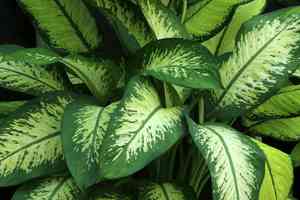
Dieffenbachia is most effectively multiplied via cuttings throughout the warmer periods of spring and summer. This species presents a moderate challenge for propagation, with successful development indicated by the appearance of fresh foliage. Optimal outcomes require elevated humidity and a substrate that drains efficiently.
What Is the Best Time To Propagate Dieffenbachia?
Propagation Type
Cutting
Propagation Season
Spring, Summer
What Tools Are Used in Dieffenbachia Propagation?
Sharp Pruning Shears
Sharp pruning shears are vital for making clean cuts from the parent dieffenbachia plant. A clean cut aids in the parent plant's quick recovery and lowers infection risk. The shears' sharpness also prevents crushing or harming the cutting's tissue, which is crucial for new root development.
Disinfectant (e.g., Isopropyl Alcohol)
Sterilizing pruning shears with a disinfectant before and after taking dieffenbachia cuttings is essential. This prevents disease transmission between plants and ensures the cutting has the best chance for healthy rooting and growth.
Rooting Hormone
Rooting hormone can significantly boost the success rate of dieffenbachia cuttings by stimulating root growth at the cut site. It's especially beneficial for this species, which sometimes struggles to root without assistance. Applying the hormone to the cutting's base before planting encourages rapid and healthy root development.
Potting Medium
A well-draining, sterile potting medium is crucial for rooting dieffenbachia cuttings. A common mix includes peat, perlite, and vermiculite, offering necessary support, moisture, and aeration for developing roots. Ensuring the medium is sterile further reduces disease risk for new plants.
Small Pots or Trays
Small pots or trays are used for planting cuttings after they've been treated with rooting hormone. Complementing the potting medium, these containers must allow for good drainage to prevent waterlogging, which can increase the risk of root rot in dieffenbachia.
Clear Plastic Bags or Tops
Maintaining a high-humidity environment benefits the rooting process of dieffenbachia cuttings. Clear plastic bags or tops can be placed over pots or trays to create a mini-greenhouse effect, trapping moisture and warmth to promote root growth while allowing light to reach the cuttings.
Watering Tool (e.g., Spray Bottle)
Consistent moisture is key for successful dieffenbachia cutting rooting, but overwatering must be avoided. A spray bottle is useful for gently watering cuttings without disturbing delicate new roots or compacting the soil. It can also mist foliage to maintain required humidity.
How to Propagate Dieffenbachia?
Propagation Type
Cutting
Difficulty Level
Easy
How to Care for Your Newly Propagated Dieffenbachia?
How to Care for Your Newly Propagated Dieffenbachia?
Once the dieffenbachia cutting has successfully rooted and new growth appears, continue caring for the young plant by providing bright, indirect light and maintaining humidity. Water when the top inch of soil begins to dry, but avoid overwatering. Fertilize every 4-6 weeks during the growing season with a balanced, water-soluble fertilizer, diluted to half strength. Repot the plant when it becomes root-bound or growth slows, typically once a year, into a slightly larger pot with fresh potting mix to support continued growth.
Common Mistakes to Avoid When Propagating Dieffenbachia
Poor cutting selection
Using diseased or weak dieffenbachia cuttings can lead to failed propagation as these cuttings may lack the necessary vigor to develop roots and grow. Weak cuttings are less likely to survive the stress of cutting and rerooting.
Incorrect soil medium
Propagating dieffenbachia in soil that lacks adequate drainage can cause waterlogging, leading to root rot and fungal infections. An unsuitable medium can hinder root formation and overall plant health.
Overwatering
Watering cuttings too frequently can saturate the soil, reducing oxygen availability for developing roots. This can cause root rot and create an environment favorable for pathogens.
Neglecting humidity
Ignoring humidity requirements during propagation can lead to desiccation of the cuttings. Dieffenbachia needs high humidity to encourage rooting, and its absence can stress and dry out young plants.
Use of full strength fertilizers
Applying full-strength fertilizers to new dieffenbachia cuttings can overwhelm and burn young roots, hindering their growth and potentially causing the cutting to die.
Tips For Propagating Dieffenbachia
Healthy cuttings
Choosing strong and healthy cuttings with at least one to two leaves will ensure dieffenbachia has enough energy reserves and leaf surface area to support new growth during the rooting process.
Well-draining soil
Using a well-draining potting mix, such as one containing perlite or vermiculite, will help prevent water retention and promote aeration, encouraging healthy root development in dieffenbachia.
Moderate watering
Providing just enough water to keep the dieffenbachia soil moist but not soggy will nourish the cuttings without the risk of root rot. Maintaining balance is crucial for the watering regimen.
Maintain high humidity
Creating a humid micro-environment for dieffenbachia cuttings, such as covering them with a plastic bag or placing them in a propagator, will promote root growth and prevent water loss through the leaves.
Balanced fertilization
Once roots are established, fertilizing dieffenbachia with a diluted, balanced fertilizer will support healthy growth without overwhelming the young plant with excessive nutrients.



