How to Propagate Pacific bleeding heart?
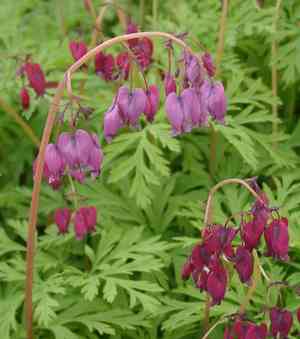
Apart from seeding, pacific bleeding heart flourishes through the division of its clusters or root systems for propagation. Horticulturalists can carefully detach offshoots from a mature specimen while it is in its inactive phase. For effective root cuttings, segments possessing dormant buds enhance the likelihood of development when reinserted into suitable soil. Meticulous handling of the tuberous roots, ensuring each segment contains an active growth point, results in vigorous new plants. Consistent with its characteristics, pacific bleeding heart responds favorably when provided with optimal conditions that replicate its natural environments.
Optimal Time for Pacific Bleeding Heart Propagation
Propagation Method
Seeding
Propagation Period
Spring
Tools for Pacific Bleeding Heart Propagation
Seed trays
Seed trays are crucial for initiating pacific bleeding heart from seeds. Their shallow compartments facilitate easy management and minimal disturbance to seeds during germination. They also aid in maintaining the necessary humidity and warmth for effective pacific bleeding heart seed germination.
Peat pots
Peat pots offer an excellent environment for pacific bleeding heart seeds due to their biodegradable nature, which reduces root disturbance during transplanting. This is vital for pacific bleeding heart, as its young roots are fragile and benefit from direct planting of the entire pot into the garden.
Sterile potting mix
Utilizing a sterile potting mix ensures pacific bleeding heart seeds are sown in a disease-free medium, essential for preventing soil-borne diseases that could impact germination and seedling growth. The fine texture of a good potting mix also promotes better root development and water retention.
Misting bottle
A misting bottle is employed to gently water seeds without dislodging them. This is especially important for pacific bleeding heart, as its seeds require consistent moisture for germination but are sensitive to heavy watering, which can displace or bury them too deeply.
Heat mat
A heat mat helps maintain an ideal soil temperature, which is critical for pacific bleeding heart germination. Since temperature variations can significantly affect germination rates, a heat mat ensures a stable and suitable environment for pacific bleeding heart seeds.
How to Propagate Pacific Bleeding Heart?
Propagation Type
Simple
Post-Propagation Care for Pacific Bleeding Heart
How to Care for Your Newly Propagated Pacific Bleeding Heart?
After propagation, pacific bleeding heart seedlings should be situated in a location with partial to full shade, as they prefer cooler conditions. Water regularly to maintain consistent soil moisture, but be careful not to overwater, which can lead to root rot. Mulch around the plants to keep roots cool and moist. Fertilize with a balanced, slow-release fertilizer in early spring. Protect young plants from slugs and snails. As pacific bleeding heart is a perennial, it will die back in winter and re-emerge in spring, requiring minimal care during dormancy.
Common Errors to Avoid When Propagating Pacific Bleeding Heart
Overwatering
Supplying too much water to pacific bleeding heart can result in root rot, decreasing the likelihood of successful propagation due to its delicate root system.
Deep planting
Planting pacific bleeding heart too deeply can hinder proper root development and shoot emergence, as this species prefers shallow planting depths.
Neglecting Humidity
Disregarding the humidity needs of pacific bleeding heart during propagation can cause cuttings to dry out, thereby impeding root formation.
Ignoring Soil Conditions
Using soil that lacks proper drainage or has an incorrect pH balance can lead to poor root health and growth in pacific bleeding heart, as it thrives in a specific soil environment.
Advice for Propagating Pacific Bleeding Heart
Humidity Control
Maintain adequate humidity around pacific bleeding heart to ensure cuttings do not lose excessive moisture, promoting successful root establishment.
Shallow Planting
Plant pacific bleeding heart cuttings superficially to allow for optimal root and shoot development, as deeper planting can suppress growth.
Gentle Watering
Water pacific bleeding heart cuttings or divisions gently and only when necessary to prevent over-saturation and root rot, favoring a well-draining soil mixture.
Soil Composition
Ensure the soil used for propagating pacific bleeding heart is rich in organic matter and possesses appropriate drainage and pH levels to suit its growth requirements.



