How to Propagate Bleeding Heart?
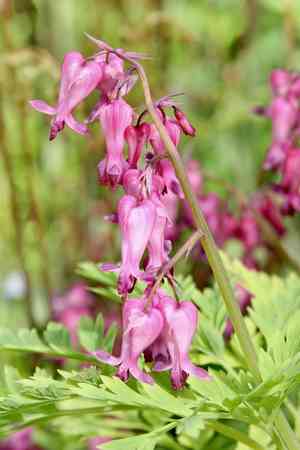
Bleeding Heart is chiefly multiplied by seeding, preferably in the springtime. Its propagation presents a moderate challenge. Evidence of successful propagation includes fresh shoots and robust root formation. Provide adequate humidity and warmth to achieve the best outcomes.
When Is the Optimal Period to Propagate Bleeding Heart?
Propagation Method
Seeding
Propagation Period
Spring
What Equipment Is Utilized in Bleeding Heart Propagation?
Seed trays or flats
These offer a regulated environment for planting seeds. Their flat surface allows for uniform distribution of bleeding Heart seeds and can hold multiple plants in a small area. The trays help maintain moisture and warmth, boosting germination success.
Sterile potting mix
A sterile seed-starting medium prevents soil-borne pathogens from harming delicate bleeding Heart seedlings. This mix is typically light and designed to retain moisture while allowing excess water to drain, reducing the chance of root rot.
Fine mist spray bottle
This tool is employed to gently water seeds and fragile seedlings without disturbing them or eroding the soil surface. The misting action imitates soft rainfall, providing moisture for bleeding Heart seeds without over-saturating.
Plastic dome or cover
Placing a plastic dome over seed trays helps sustain high humidity and consistent temperatures, creating a greenhouse effect that encourages bleeding Heart germination.
Heat mat
This supplies warmth from below, which can significantly enhance germination success for bleeding Heart. Heat mats are particularly useful in cooler settings or during seasons when ambient temperatures are not ideal for germination.
Grow lights
Artificial illumination can provide the necessary light spectrum for seedling development, especially if natural sunlight is insufficient. They support the growth of healthy bleeding Heart seedlings by aiding photosynthesis.
How to Propagate Bleeding Heart?
Propagation Method
Seeding
Difficulty Level
Simple
How to Nurture Your Newly Propagated Bleeding Heart?
How to Nurture Your Newly Propagated Bleeding Heart?
Bleeding Heart flourishes in partial to full shade and prefers consistently moist, well-drained soil rich in organic matter. Post-propagation, keep the soil uniformly damp but avoid waterlogging. Apply mulch around the plant's base to help retain soil moisture and regulate temperature. Fertilize with a balanced, slow-release product in early spring. Shield young plants from harsh weather and pests; as perennials, they will die back in winter and re-emerge in spring. Remove spent flowers to promote further blooming and maintain overall plant vitality.
Common Errors to Avoid When Propagating Bleeding Heart
Excessive watering
Overwatering can lead to root rot and fungal infections, which can severely damage or kill bleeding Heart. This species prefers well-drained soil and is vulnerable to too much moisture.
Using unhealthy plant material
Propagating bleeding Heart with diseased or pest-ridden plant material can transfer the issue to new plants, hindering their growth or causing their demise.
Planting seeds too deep
Sowing seeds too deeply can prevent germination, as bleeding Heart seeds require light to initiate growth. Seeds placed too far beneath the soil may not sprout at all.
Neglecting cleanliness
Failing to use sterilized tools or containers can introduce pathogens to bleeding Heart, impeding propagation success. Cleanliness is vital to prevent disease spread.
Advice For Propagating Bleeding Heart
Softwood cuttings
Taking softwood cuttings from bleeding Heart is an effective propagation technique. Ensuring the cuttings are disease-free and making angled cuts can improve rooting rates.
Bottom heat
Providing warmth from below can encourage faster root development in bleeding Heart cuttings, thereby increasing the likelihood of successful propagation.
Humidity control
Maintaining high humidity around bleeding Heart cuttings without making the environment too wet is crucial. This promotes rooting while minimizing the risk of fungal diseases.
Seed stratification
If propagating bleeding Heart from seed, stratification (cold treatment) can enhance germination rates. Mimicking natural winter conditions helps break seed dormancy.



